



Conflicting narratives emerge as US signals progress, Iran rejects claims and faces internal uncertainty
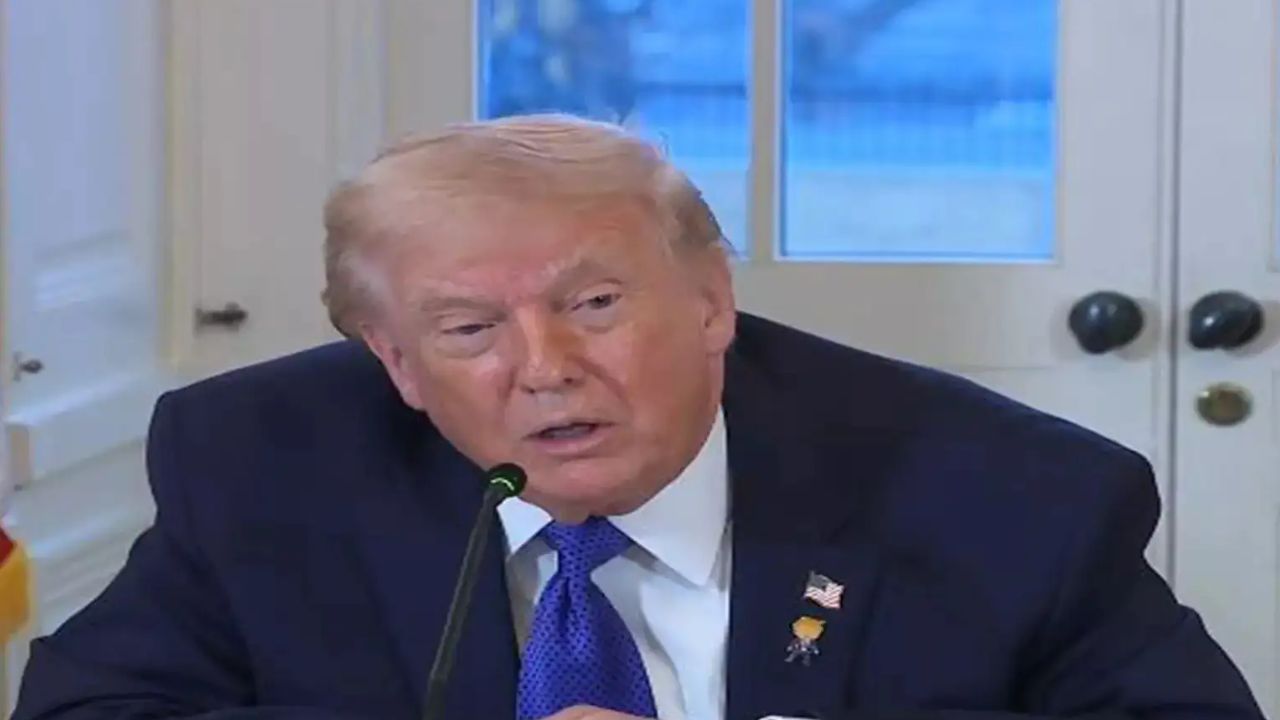
March 26, 2026: At a Republican fundraiser on March 25, 2026, Donald Trump claimed that Iran was quietly engaging in peace talks with the United States, despite publicly denying any negotiations. He suggested that Iranian officials were reluctant to acknowledge discussions due to internal backlash. Trump also made a striking claim that Iranian leaders had informally proposed he take over as the country’s Supreme Leader—an idea he said he rejected.
The remarks come amid reports of political uncertainty in Tehran following the assassination of Ali Khamenei and the reported elevation of Mojtaba Khamenei. His absence from public view and unverified reports of injuries have fueled speculation about instability within Iran’s leadership during an already volatile conflict. Trump, meanwhile, described US operations as a “military decimation” and claimed Washington holds the upper hand, asserting that Iran is seeking a ceasefire but unwilling to admit it.
However, Iranian authorities have firmly rejected these claims, maintaining that no talks or ceasefire negotiations are underway. Reports suggest the US has floated a 15-point framework via intermediaries like Pakistan, including curbs on Iran’s nuclear and missile programmes and reopening the Strait of Hormuz. Despite these developments, the gap between US assertions and Iran’s official stance highlights deep mistrust, keeping the region on edge.