
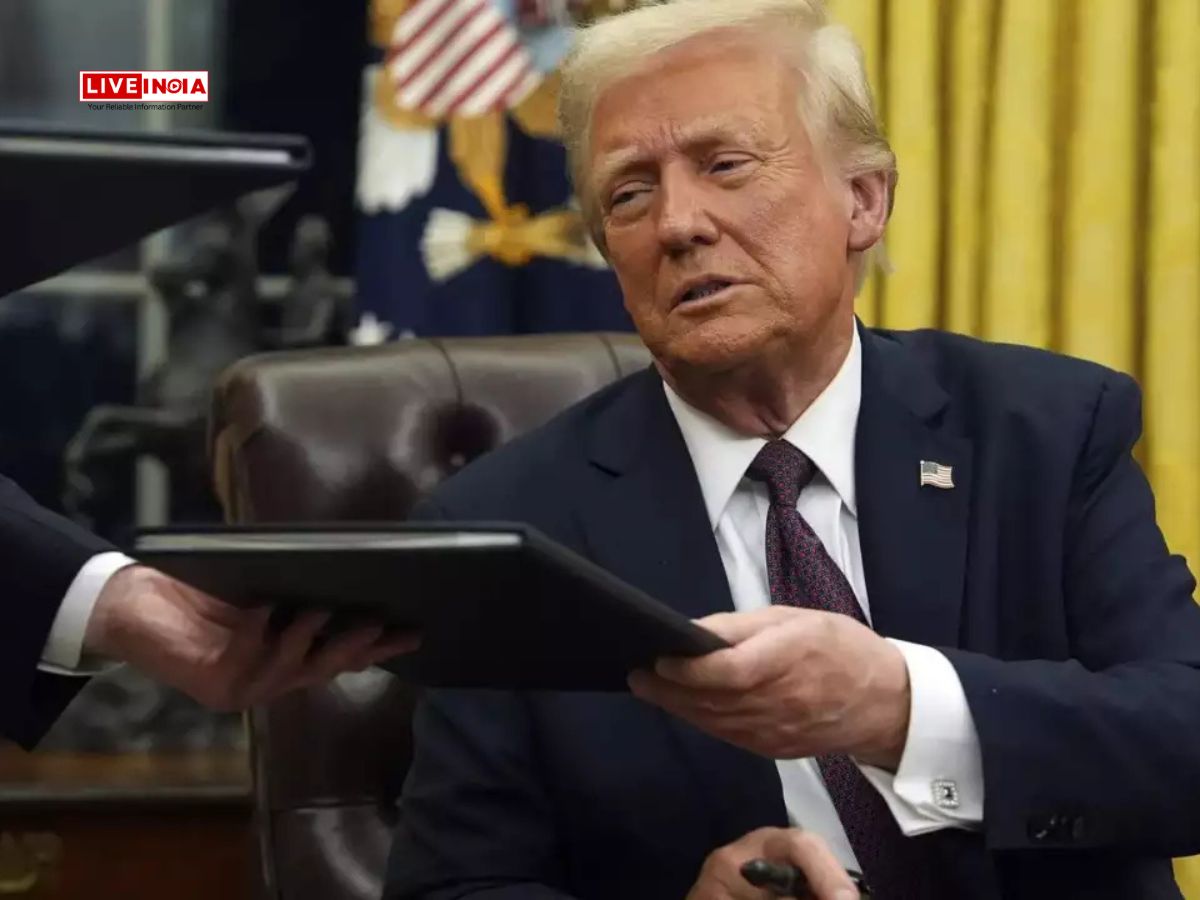


Children of legal immigrants, including those on H-1B visas, face uncertain futures under the new policy.
January 22, 2025: The United States has taken a historic turn with President Donald Trump signing an executive order to end birthright citizenship for children born to foreign passport holders in the U.S. Starting February 20, automatic citizenship will only be granted to those with at least one parent who is a U.S. citizen or a green card holder.
Also Read: First Quad Meeting Under Trump 2.0: A Clear and Stern Message to China
What is Birthright Citizenship?
Birthright citizenship, a principle rooted in the 14th Amendment to the U.S. Constitution, grants citizenship to nearly all individuals born on American soil. Adopted in 1868 after the Civil War, this amendment clarified the status of formerly enslaved people. The U.S. is among approximately 30 countries where the “jus soli” or “right of the soil” principle applies.
Also Read: “I Support Both Sides of the Argument”: Donald Trump on H-1B Visa Debate
What Does the Executive Order Change?
Under the new directive, children born in the U.S. to parents who are neither citizens nor lawful permanent residents will no longer receive automatic citizenship. Federal agencies are now prohibited from issuing documentation that validates U.S. citizenship for such children. This policy impacts both unauthorized immigrants and those legally residing in the U.S. on temporary visas, such as students, tourists, or workers.
Also Read:Trump’s Executive Order Ends Citizenship by Birth for Legal Immigrants
Impact on H-1B Visa Holders and Their Children
The order is expected to have a significant impact on over a million Indians currently in the U.S. on H-1B visas or awaiting green cards. Without automatic citizenship, children of H-1B visa holders may face challenges accessing benefits such as in-state tuition, scholarships, and federal aid. These limitations could deter many from pursuing higher education or fulfilling their career aspirations.
Expert Opinions on the 14th Amendment
Legal experts and officials have raised concerns about the constitutionality of the executive order. Aaron Reichlin-Melnick, a senior fellow at the American Immigration Council, stated, “The 14th Amendment is crystal clear. Changing this interpretation will complicate life for all U.S.-born citizens, requiring extensive documentation of ancestry and parental citizenship.”
Connecticut Attorney General William Tong, born in the U.S. to immigrant parents, expressed a personal connection to the issue. “The 14th Amendment says what it means, and it means what it says—if you are born on American soil, you are an American. Period. Full stop,” he emphasized.
Implications and Legal Challenges
The executive order has sparked widespread debate and is expected to face numerous legal challenges. Immigration rights groups and several state attorneys general have vowed to challenge the policy, arguing it undermines the constitutional protections enshrined in the 14th Amendment.
Tags: Birthright Citizenship, Donald Trump Executive Order, H-1B Visa, U.S. Immigration Policy, 14th Amendment, Indian Immigrants in U.S., Legal Challenges, Higher Education in U.S., Immigration Rights.