
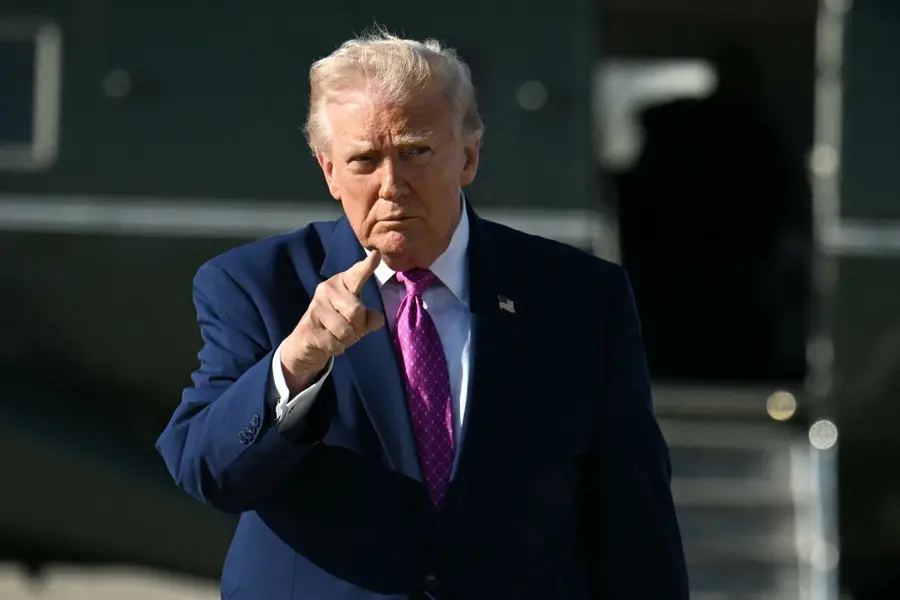


Tensions in the Middle East have sharply escalated after ceasefire talks between the US and Iran failed, with Donald Trump issuing fresh warnings and announcing a potential naval blockade of the critical Strait of Hormuz.
Talks Collapse, Threats Intensify
The high-stakes negotiations, held in Islamabad, broke down after nearly 21 hours of discussions. US Vice President JD Vance, who led the American delegation, said Iran refused to accept Washington’s key conditions—particularly on curbing its nuclear ambitions.
Soon after, Trump took to social media, declaring the talks a failure and reiterating his long-standing stance that Iran must never acquire nuclear weapons.
US Signals Hormuz Blockade
In a strong move, Donald Trump announced that the US Navy would begin blocking maritime movement through the Strait of Hormuz. He warned that any vessel paying what he called an “illegal toll” to Iran would not be allowed safe passage.
The Strait is one of the world’s most critical oil routes, carrying nearly 20% of global oil supply, making any disruption a major global concern.
“Locked and Loaded” Warning
Trump also issued a stark military warning, stating that US forces are “locked and loaded” and ready to act if tensions escalate further. His remarks have raised fears of a wider conflict in the region.
‘Gulf of Trump’ Remark
Addressing speculation, Trump revealed he had briefly considered renaming the Persian Gulf or Strait of Hormuz as the “Gulf of Trump,” but decided against it—for now.
Pakistan’s Role in Talks
Trump acknowledged Shehbaz Sharif and Army Chief Asim Munir for hosting the negotiations, calling them “extraordinary men” and praising their role in facilitating dialogue.
Why the Strait of Hormuz Matters
The Strait of Hormuz is a narrow but vital shipping lane connecting the Persian Gulf to global markets. Any blockade or military action here can disrupt oil supplies, spike energy prices, and trigger global economic instability.
With tensions rising and diplomatic efforts stalled, the situation remains volatile—keeping the world on edge over what could come next.