


Rising prices fuel global concerns as US–Iran conflict enters Day 12
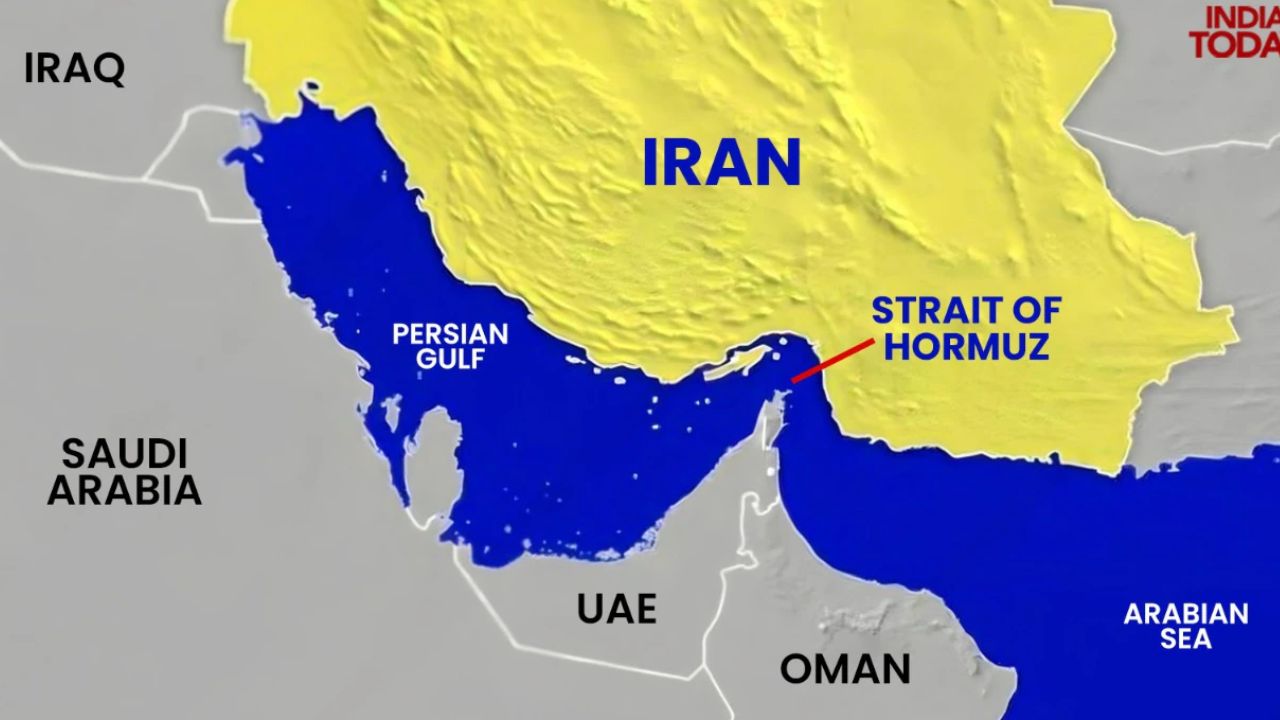
March 11, 2026: The ongoing conflict involving Iran, the United States and Israel has entered its 12th day, triggering fears of a global oil crisis. The situation around the crucial Strait of Hormuz—a key route for global oil shipments—has pushed crude prices above $87 per barrel. While India has not yet faced shortages of petrol or diesel, analysts warn that prolonged disruption in the waterway could significantly impact global energy supplies and markets.
Experts say the conflict is affecting several countries across the Middle East, with nearly 13 nations feeling economic and security pressures. At the same time, some countries could benefit financially if the war continues. Russia is seen as a major beneficiary, as around 45 percent of its national budget depends on oil and gas revenues. After sanctions imposed by the United States in 2025 reduced its energy income, Russia had been selling discounted crude to India and China, but the disruption in global supply has now allowed it to sell oil at a premium of four to five dollars per barrel.
Meanwhile, the United States could also gain indirectly from higher oil prices because it exports petroleum products to nearly 180 countries worldwide. US President Donald Trump acknowledged that oil prices have risen following the escalation but noted the increase was lower than he initially expected. Observers say Washington’s objectives in the conflict appear to be shifting—from preventing Iran from becoming a nuclear power to discussions about possible regime change.