
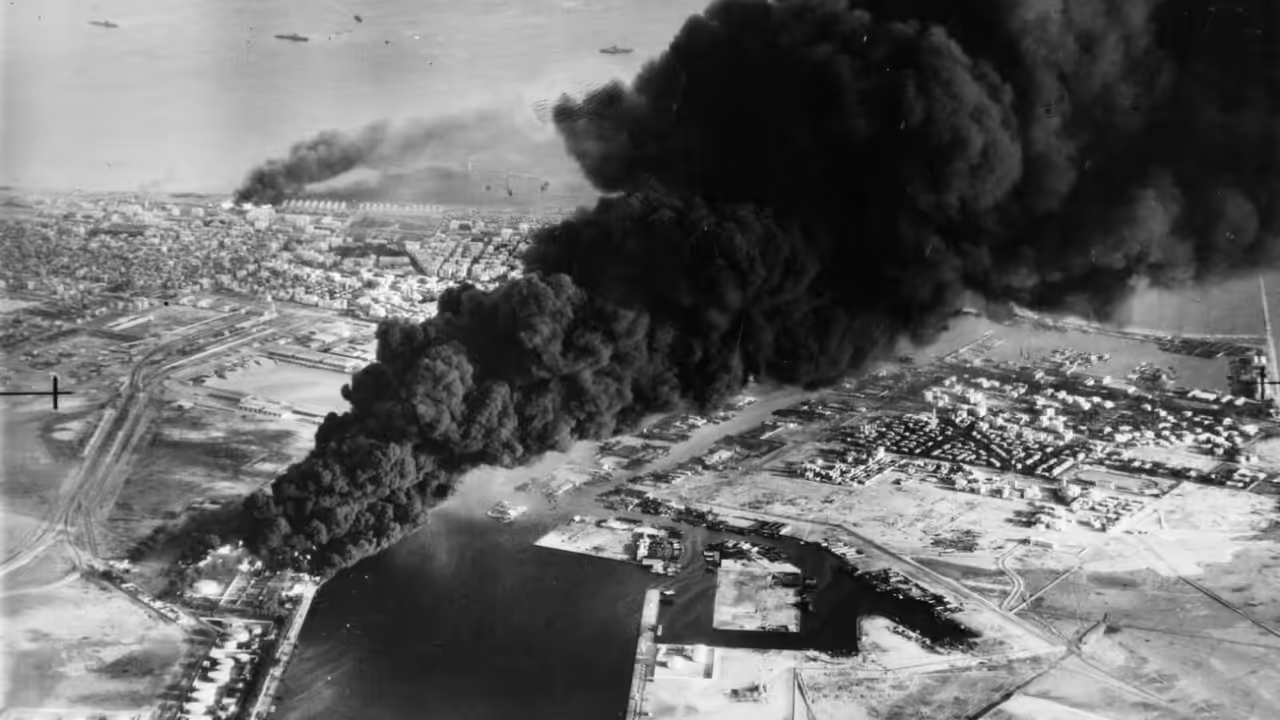


The ongoing tensions involving Iran are increasingly being compared to the historic Suez Crisis, with analysts warning that the situation could mark a turning point in global power dynamics—much like the Suez episode did for Britain and France.
Experts suggest the current crisis may represent a “Suez moment” for the United States, highlighting potential limits to its global influence under President Donald Trump.
Why Is The Iran Conflict Being Compared To The Suez Crisis?
The 1956 Suez Crisis saw Britain, France, and Israel launch a military intervention in Egypt to regain control of the Suez Canal. While militarily successful, the operation ended in political failure after pressure from global powers forced a withdrawal—signalling the decline of British dominance.
Today, analysts see parallels in the Iran conflict, particularly in how strategic ambitions may be clashing with geopolitical realities.
1. Limits Of Military Power
Despite major military actions and high-profile developments, Iran has demonstrated resilience, challenging US objectives. Similar to how the Suez Canal crisis exposed the limits of European powers, Iran’s reported closure of the Strait of Hormuz—a critical global oil route—has disrupted energy markets.
This has raised concerns about whether the US has the capacity to fully control or reopen such vital trade corridors, exposing a gap between strategic goals and operational capabilities.
2. Strained Alliances And Credibility
The conflict has reportedly created unease among traditional US allies in Europe and the Middle East. Some nations have expressed concerns over not being fully consulted, leading to growing scepticism.
Countries in the Gulf region are also exploring stronger ties with other global powers, indicating a possible shift in alliances. Analysts argue this reflects a weakening of the US-led global order, similar to the diplomatic fallout seen during the Suez Crisis.
3. Economic And Domestic Pressures
The ongoing conflict is placing significant strain on the US economy and security framework. Rising energy prices, market volatility, and declining domestic approval ratings are adding to the pressure.
Some observers believe the conflict could have broader political implications, potentially impacting domestic narratives and governance priorities.
What It Means Going Forward
Just as the Suez Crisis marked the decline of British global dominance, analysts warn that the Iran conflict could signal a shift in the international balance of power. While the long-term outcome remains uncertain, the situation underscores the growing complexity of modern geopolitics and the challenges facing traditional superpowers.