
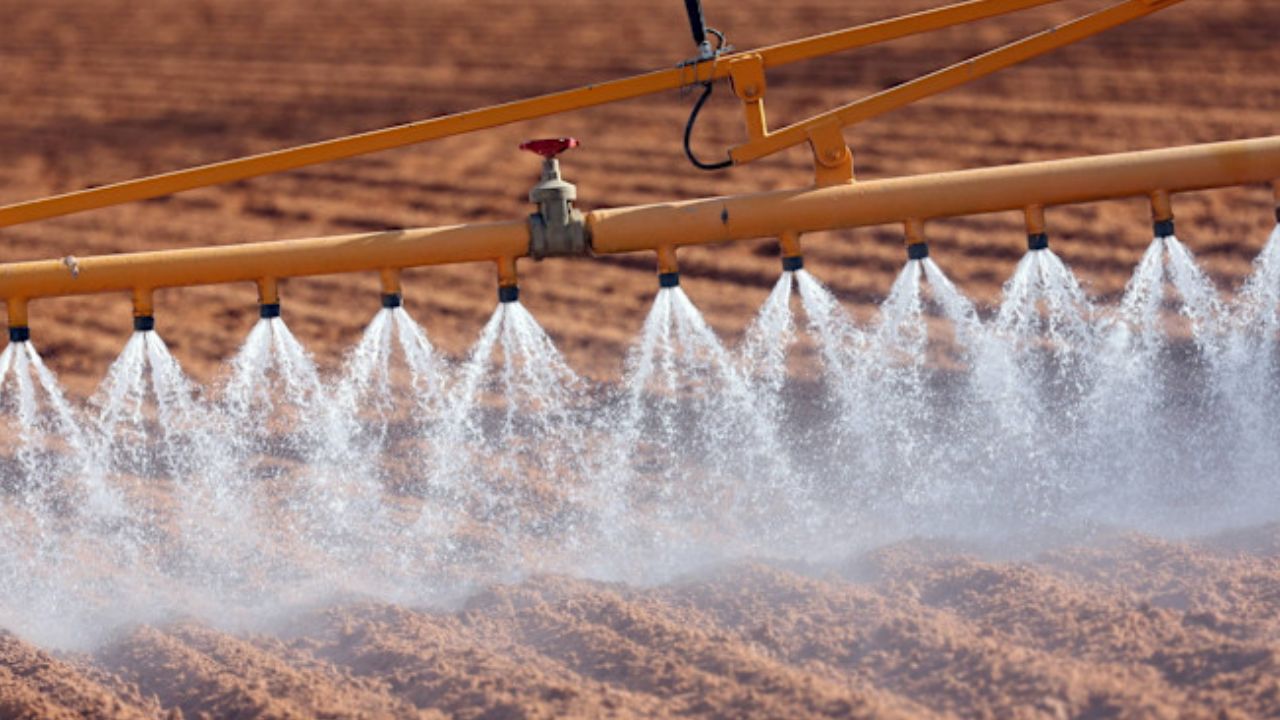


Disruptions in the Strait of Hormuz threaten global fertilizer supply, pushing up food prices and hitting vulnerable economies hardest.
April 9, 2026: The ongoing conflict involving Iran has disrupted shipping through the Strait of Hormuz, creating a major shock for global fertilizer supply. Nearly half of the world’s traded urea and a significant share of liquefied natural gas (LNG)—a key input in fertilizer production—pass through the Gulf region. With shipments stalled and production slowing, fertilizer plants from Qatar to Bangladesh have begun shutting down, raising concerns over a potential food crisis.
The disruption is expected to drive up global food prices, particularly affecting poorer nations that rely heavily on imported fertilizer. Governments are exploring short-term measures such as increasing subsidies, using food reserves, and restricting exports to stabilise domestic supply. Countries like India and China may be able to cushion the impact due to large stockpiles, but smaller economies could struggle to cope with rising costs and supply shortages.
Farmers, meanwhile, are being forced to adapt by shifting to less fertilizer-intensive crops or improving efficiency in fertilizer use. Experts point to “precision agriculture” and alternative production methods as long-term solutions, though these remain costly and slow to implement. Until supply stabilises, the crisis highlights how geopolitical tensions can ripple through global trade systems, ultimately threatening food security worldwide.