

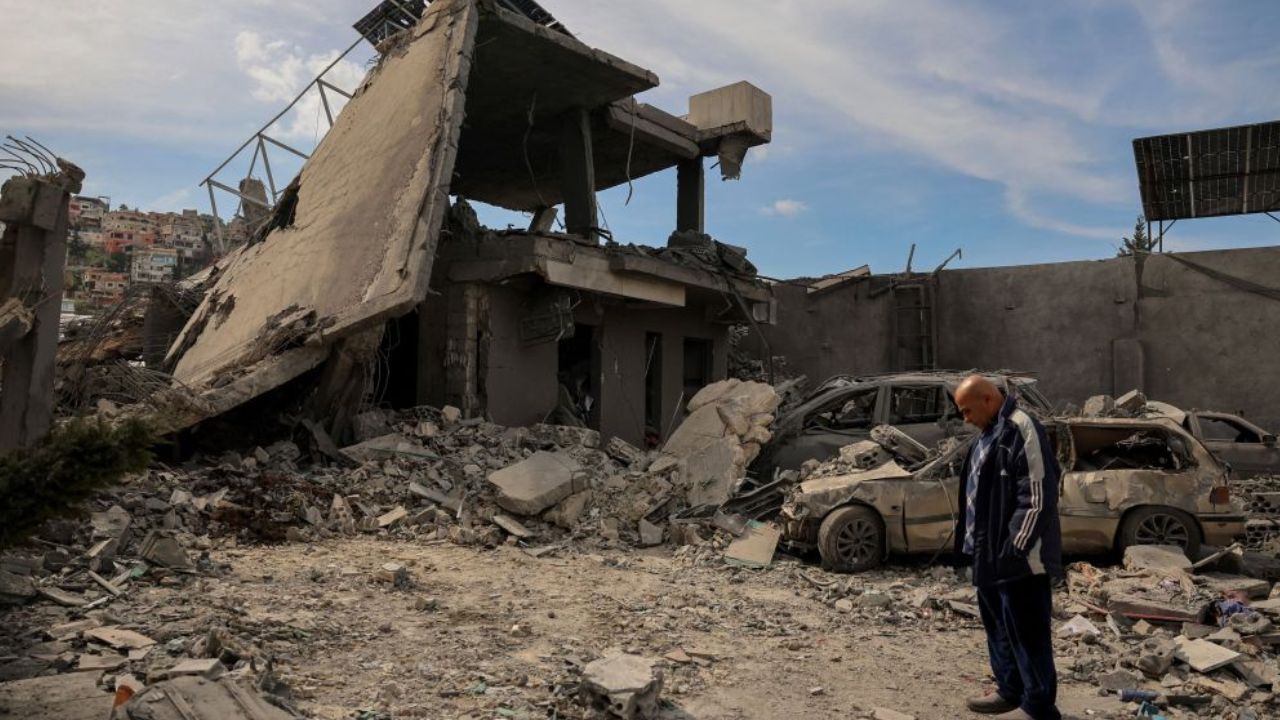


Conflicting statements from Washington and Tel Aviv deepen uncertainty as Iran signals readiness for peace under conditions.
April 1, 2026: Benjamin Netanyahu issued fresh warnings against Iran, stating that Israel’s military campaign is far from over, even as Donald Trump suggested the war could end within two to three weeks. Netanyahu asserted that Israel would continue its offensive until its objectives are achieved, adding to uncertainty over the conflict’s trajectory. The tensions began after joint US-Israel strikes on Iran last month, which triggered retaliation and heightened instability across Gulf nations such as Bahrain, Saudi Arabia, and the UAE.
Trump, however, struck a more cautious tone, indicating that the United States may soon withdraw from the conflict. Speaking from the Oval Office, he said Washington could exit within weeks while still “finishing the job,” and hinted at the possibility of a negotiated settlement. He also signalled that securing the Strait of Hormuz may no longer be a US responsibility, urging other nations to take charge. His remarks highlight a divergence in approach between the US and Israel, with Washington appearing open to de-escalation while Tel Aviv continues to push for sustained military action.
Meanwhile, Iran has indicated a willingness to end the conflict, provided there are assurances against future attacks. President Masoud Pezeshkian said Tehran is open to peace under certain conditions, including guarantees that aggression will not resume. In response to a US-backed proposal, Iran has submitted a counteroffer seeking firm commitments from both the US and Israel. With differing positions among key players, the path to peace remains uncertain, and the risk of further escalation continues to loom.