



Rising troop deployment, threats, and economic shocks push conflict to a tipping point
March 31, 2026: As the conflict enters Day 32, tensions in the Middle East have sharply escalated with the deployment of 2,500 US Marines and the elite 82nd Airborne Division. The United States is reportedly positioning forces for a potential ground operation targeting Kharg Island, a critical centre of Iran’s oil exports. Known for rapid deployment capabilities, the unit’s presence signals a possible shift toward direct land engagement as military preparations intensify.
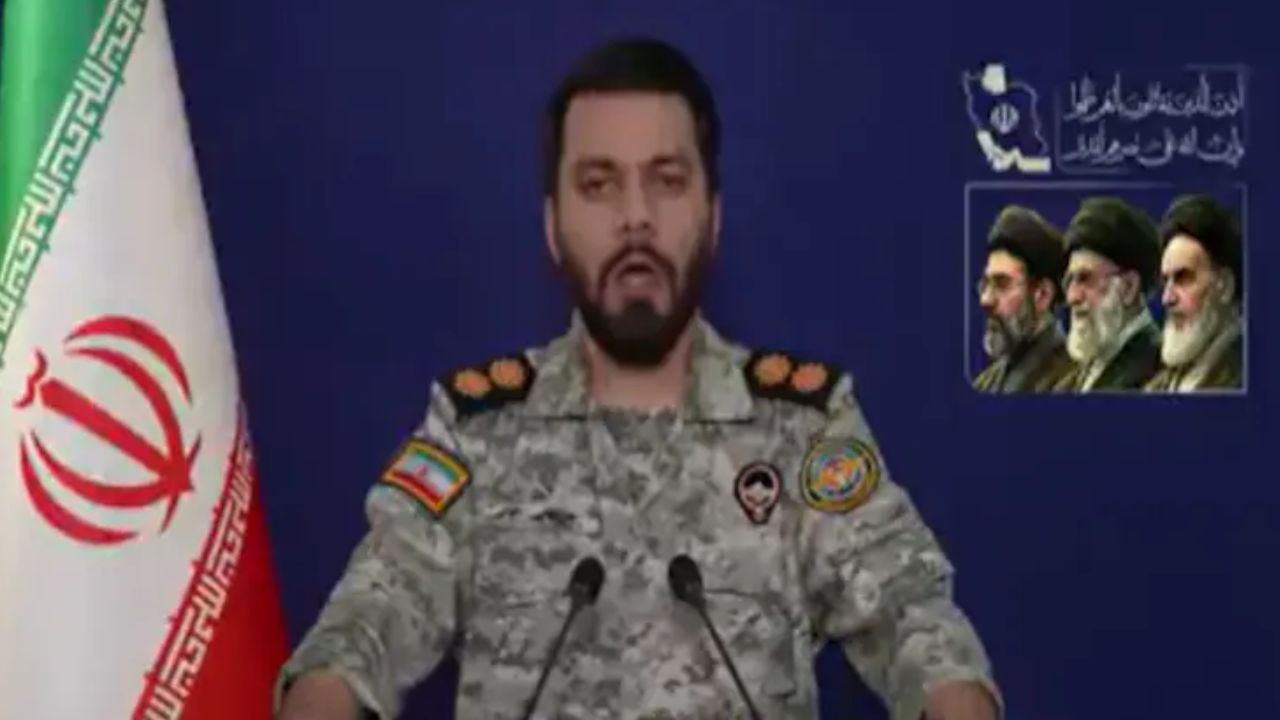
Amid these developments, Donald Trump has sent mixed signals, alternating between claims of ongoing negotiations and readiness for a “boots on the ground” offensive. With an April 6 ceasefire deadline approaching, fears of a full-scale invasion are growing. In response, Iranian Vice President Mohammad Reza Aref issued a strong warning, stating that any US troops entering Iranian territory “will never return,” vowing severe retaliation. Tehran has also activated a multi-layered defence strategy involving naval patrols, large-scale troop mobilisation, sea mines, and potential disruption of undersea communication networks.
The escalating conflict is already impacting the global economy, with crude oil prices crossing $100 per barrel and uncertainty gripping international markets. Recent US-Israeli bunker-buster strikes on cities like Isfahan and Tehran have intensified the crisis, while fears of a prolonged war continue to mount. With military, economic, and geopolitical stakes rising simultaneously, the situation remains highly volatile and unpredictable.