

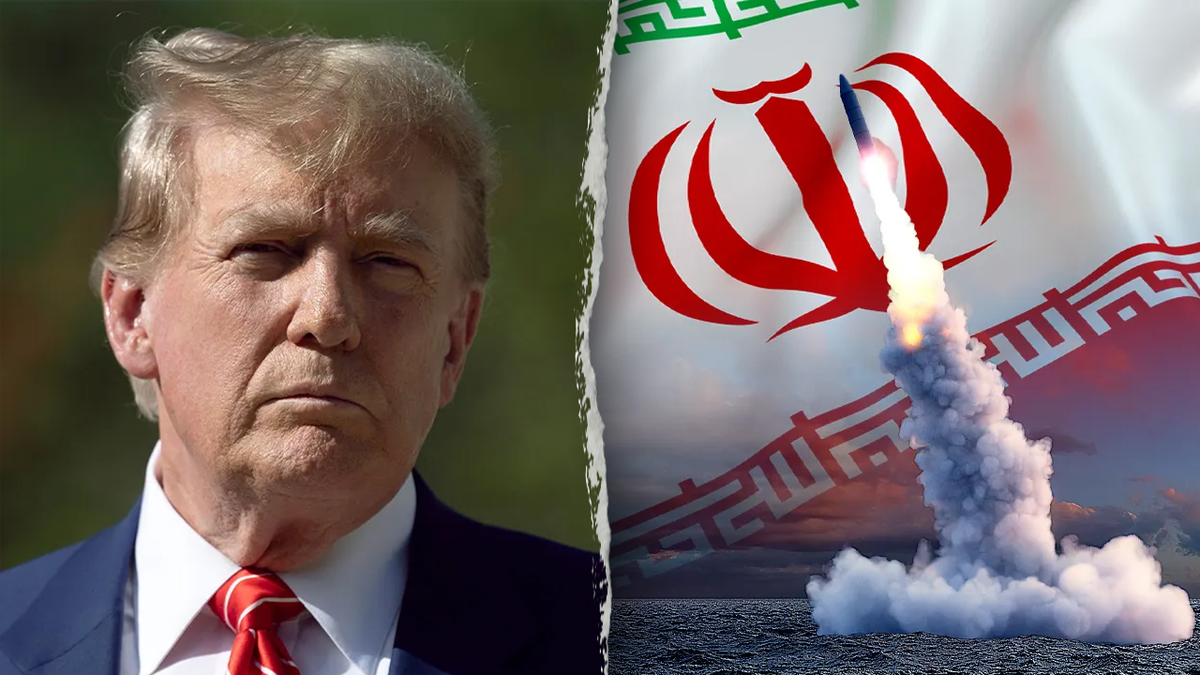


Iran on Wednesday strongly pushed back against claims by US President Donald Trump that Tehran had sought a ceasefire, asserting that no such proposal has been made and that decisions regarding the Strait of Hormuz will be taken solely by Iran and Oman.
Iran Dismisses Ceasefire Claim
Iran’s Foreign Ministry spokesperson Esmaeil Baghaei described Trump’s remarks as “false and baseless,” rejecting the assertion that Iran had reached out to the United States seeking a truce.
Trump had earlier claimed on Truth Social that Iran’s new leadership had requested a ceasefire and suggested that Washington would consider the proposal only after the Strait of Hormuz is “open, free, and clear.”
No Negotiations, Says Foreign Minister
Iran’s Foreign Minister Seyyed Abbas Araghchi also denied any formal negotiations with the United States.
In an interview with Al Jazeera, Araghchi acknowledged that he has received direct messages from US envoy Steve Witkoff, but clarified that such communication does not indicate ongoing negotiations.
“There is no truth to the claim of negotiations with any party in Iran,” Araghchi said, adding that all communications are routed through official government and security channels.
Strait of Hormuz: ‘Decision Lies With Iran And Oman’
Araghchi emphasised that the Strait of Hormuz—a critical global oil shipping route—falls under the territorial jurisdiction of Iran and Oman.
He stated that both countries will decide its future once the conflict ends, while reiterating that the waterway should ultimately remain peaceful.
War To Continue Until ‘Aggressor Is Punished’
The Iranian foreign minister dismissed reports of a “5-point plan” as media speculation and made it clear that Tehran has no immediate plans to de-escalate.
He said the war would continue until the “aggressor is punished” and Iran receives full compensation.
US Signals Mixed Messaging
Trump, meanwhile, has indicated that the US may not remain engaged in the conflict for much longer, even as military operations intensify.
“We’re not going to be there too much longer… but we have more work to do,” he said in an interview, suggesting a possible shift in strategy.
At the same time, US Defense Secretary Pete Hegseth warned that the coming days would be “decisive,” claiming that Iran’s options are narrowing as US pressure mounts.
Rising Tensions, Uncertain Path Ahead
The sharp exchange highlights the widening gap between Washington and Tehran’s positions, with both sides signalling resolve even as indirect communication channels remain open.
With the Strait of Hormuz at the centre of global energy concerns, the trajectory of the conflict is likely to have far-reaching geopolitical and economic consequences.