
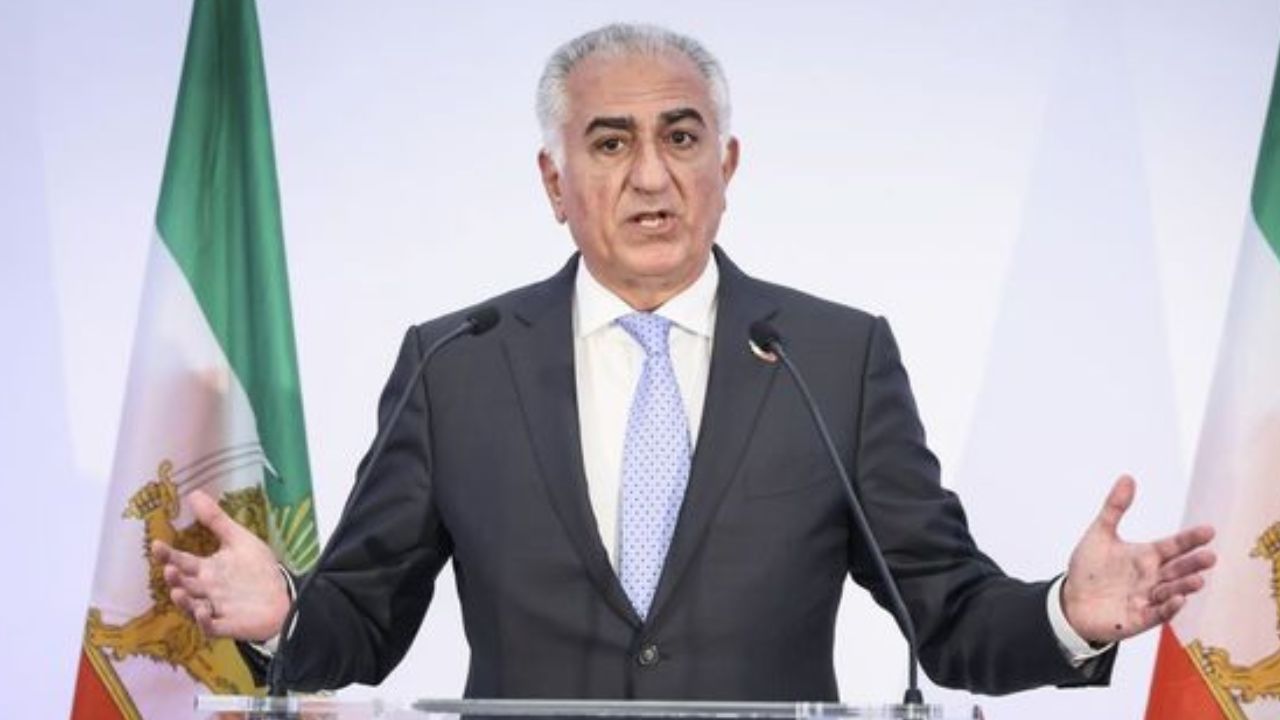


Protests spread nationwide as exiled crown prince’s call draws attention
January 9, 2026: Iran is facing a fresh wave of unrest as protests erupt across multiple cities, driven by public anger over a struggling economy and growing resentment toward clerical rule. The demonstrations began on December 28 with the shutdown of Tehran’s historic Grand Bazaar and have since evolved into a nationwide challenge to the authority of Supreme Leader Ayatollah Ali Khamenei. On Thursday night, authorities cut internet access and international calls, a move often seen as a precursor to a wider crackdown.
The blackout coincided with protests called for by exiled crown prince Reza Pahlavi, reigniting debate over his influence within Iran after decades abroad. Although the movement remains largely leaderless, rights groups say at least 42 people have been killed so far. Protesters have also been heard chanting in support of Pahlavi’s father, the late Shah Mohammad Reza Pahlavi — a striking shift in a country where praising the former monarchy was once punishable by death.
Reza Pahlavi, the eldest son of Iran’s last monarch, has lived mostly in the United States since the 1979 Islamic Revolution. A political science graduate and vocal critic of Iran’s theocratic system, he has long advocated free and fair elections and a secular, democratic future for the country. In recent international forums, including the Geneva Human Rights Meeting, Pahlavi has outlined a roadmap for Iran’s rebuilding, calling for grassroots mobilisation, diaspora unity and increased international pressure in support of the Iranian people.