Iran-US Nuclear Talks Resume in Oman
High-stakes Muscat meeting tests whether diplomacy can outrun rising military pressure
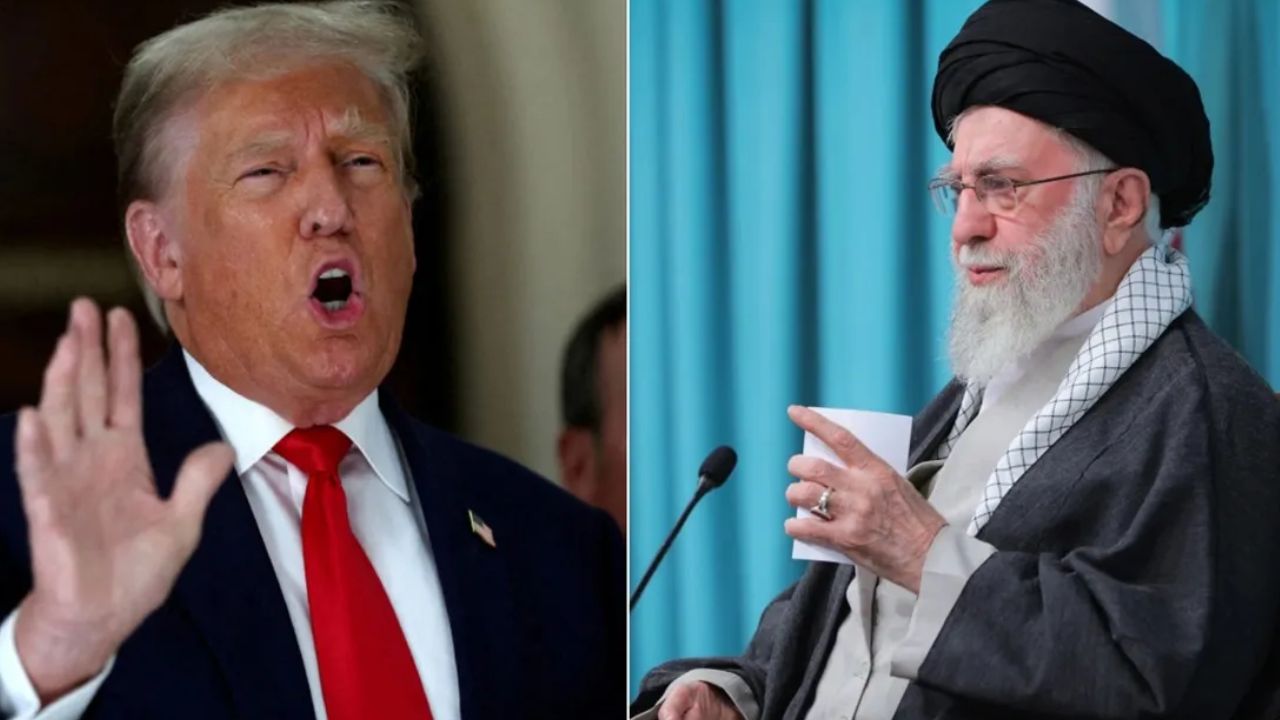
February 6, 2026: Iran’s top diplomat Abbas Araghchi arrived in Muscat on Friday to lead fresh nuclear talks with the United States, making it clear that Tehran’s focus is limited strictly to the nuclear file. The Iranian delegation includes senior political, legal and media officials, signalling the importance Tehran attaches to the negotiations. Iranian sources stressed that no regional issues or side discussions would be entertained. From Washington, however, the tone was tougher, with the White House warning that while diplomacy remains President Donald Trump’s first choice, Iran must not ignore the “many options” available to the US. American officials reiterated their demand that Iran achieve “zero nuclear capability,” framing the Muscat talks as a critical test of whether a deal is still possible.
The choice of Oman as the venue itself highlighted the mistrust underpinning the talks. Initially expected to be held in Istanbul, the negotiations were shifted to Muscat at Iran’s insistence, briefly raising fears that the process might collapse even before it began. The uncertainty prompted quiet diplomatic pressure from several regional capitals urging Washington to stay engaged. Meanwhile, reports suggest that countries including Saudi Arabia, Qatar, Egypt, the UAE and Pakistan are encouraging both sides to consider a broader non-aggression understanding, though analysts say extending such a framework to include Israel would be extremely challenging.
As diplomacy resumes, long-standing fault lines remain unresolved. The US continues to press for a complete halt to uranium enrichment, limits on Iran’s missile programme and an end to its regional influence, demands Tehran has consistently rejected. Iran maintains that its nuclear programme is peaceful and its missile capabilities are non-negotiable elements of national defence. These talks are unfolding against a backdrop of escalating military signals, with increased US deployments in the region and Iran showcasing new missile capabilities. With memories of last year’s direct conflict still fresh, the Muscat discussions represent a narrow diplomatic opening—one that could either ease tensions or give way to a far more dangerous escalation.
Actress weighs in on Iran–Israel discourse, ignites online reactions March 3, 2026: Television actress Devoleena…
India steps up diplomatic outreach as Iran-US conflict intensifies March 3, 2026: Prime Minister Narendra…
Actor clarifies intent after ‘misconception’ comment amid cheque bounce case March 3, 2026: Actor Sonu…
Israel says leadership compound hit; Kremlin signals de-escalation efforts March 3, 2026: The Israel Defense…
Party names nominees from six states for March 16 biennial polls March 3, 2026: The…
Filmmaker calls backlash “unfair” amid row over eight-hour shift demand March 3, 2026: Filmmaker Anubhav…