
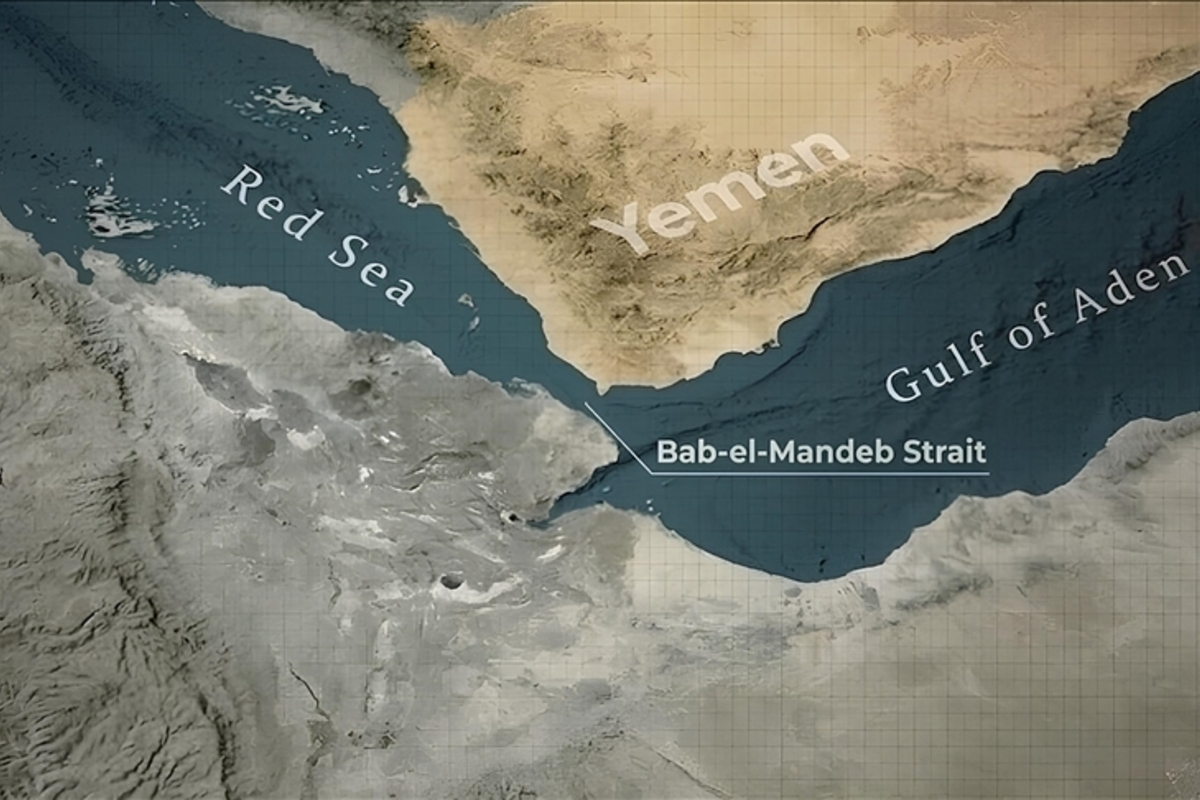


Senior Iranian official Ali Akbar Velayati has warned that global energy and trade routes beyond the Strait of Hormuz could face disruption, highlighting the strategic vulnerability of the Bab-el-Mandeb chokepoint amid escalating geopolitical tensions.
Warning Over Strategic Maritime Routes
Velayati, an adviser to Iran’s Supreme Leader on international affairs, stated that the “Resistance front” views the Bab el-Mandeb as strategically equivalent to the Strait of Hormuz.
He cautioned that further actions by the United States could trigger disruptions in global energy flows and maritime trade routes.
Reference to Global Energy Security
In his remarks, Velayati suggested that any escalation could significantly impact international shipping, stating that global energy movement could be affected “with a single move.”
His comments underline growing concerns over the security of critical sea lanes that support global oil transportation.
Importance of Bab-el-Mandeb
The Bab-el-Mandeb strait serves as a key maritime passage connecting the Red Sea and the Gulf of Aden, forming a vital link between the Suez Canal and global trade routes between Asia and Europe.
The waterway handles an estimated 4–6 million barrels of oil per day, accounting for around 10–12% of global seaborne oil trade, making it one of the world’s most sensitive energy chokepoints.
Rising Geopolitical Pressure on Sea Lanes
Recent instability in nearby maritime regions, including restricted movements in the Strait of Hormuz, has increased global attention on alternative chokepoints such as Bab-el-Mandeb.
Experts warn that any disruption in these corridors could have significant implications for oil prices and international supply chains.
Strategic Significance
The warning reflects broader regional tensions involving Iran and Western powers, where maritime geography continues to play a central role in geopolitical strategy and energy security concerns.