world

7 Dead as Iran’s Biggest Protests in Years Hit Clerical Stronghold, Trump Issues Warning

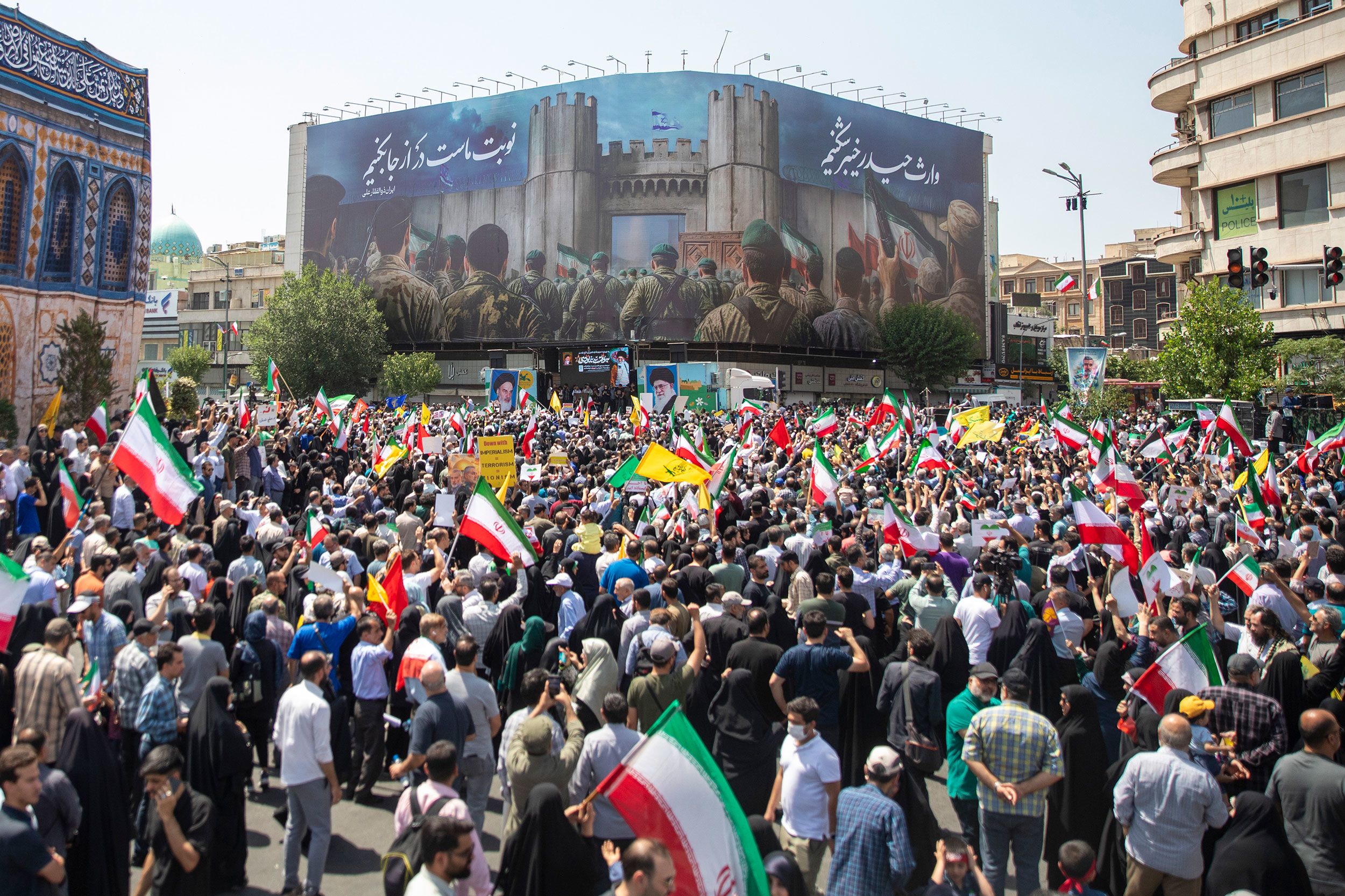
Iran is witnessing its largest wave of protests in three years, sparked by economic hardship, inflation, and declining currency values. Clashes between demonstrators and security forces have spread across the country, including the clerical bastion of Qom, with protesters calling for an end to the theocracy.

The unrest began on Sunday when shopkeepers protested the government’s handling of economic challenges, with students and merchants joining in and shutting down major bazaar markets. Over the past few days, protests have intensified and spread to multiple cities.

Key Points on Iran Protests

  1. US Warning: Former US President Donald Trump warned on Truth Social that if Iran shoots or kills peaceful protesters, the US would intervene, stating, “We are locked and loaded and ready to go.”
  2. Casualties: At least seven people have been killed in clashes, including members of the Basij volunteer paramilitary force affiliated with Iran’s Revolutionary Guards. One Basij member was killed in Kuhdasht, and 13 others were injured, according to authorities.
  3. Spread to Qom: Protests have reached Qom, a key clerical city, with demonstrators demanding the removal of the theocracy. For the first time in five decades, pro-monarchy slogans have been reported in chants.
  4. Use of Force: Security forces opened live fire in several cities, including Nurabad in Lorestan and Hamadan in western Iran. Social media videos show officers firing at crowds determined to stay in the streets.
  5. Support from Reza Pahlavi: Iran’s exiled prince Reza Pahlavi praised the protesters, honoring those killed as “true heroes” and urging national unity to achieve freedom.
  6. Economic Crisis: Iran’s currency, the rial, has fallen over a third against the US dollar in the past year. Hyperinflation continues to erode purchasing power, fueling public anger.
  7. Government Response: The civilian government, led by President Masoud Pezeshkian, has expressed some willingness to engage with protesters but is limited by the economic crisis, with the rial now valued at around 1.4 million per US dollar.

The protests, though initially economic in focus, have taken a political turn, challenging Iran’s decades-long theocratic rule and signaling growing unrest among citizens frustrated with the country’s financial instability and political system.

Disha Rojhe

Recent Posts

Bangladesh Refuses India Trip for T20 World Cup

BCB cites security concerns, vows to push ICC for Sri Lanka option January 22, 2026:…

12 hours ago

Taskaree Tops Netflix Global Charts

Emraan Hashmi-led thriller becomes first Indian series to rank No. 1 worldwide January 22, 2026:…

13 hours ago

The “Bhabhi-Nanand” Outfit Clash: Stebin Ben’s Sister Under Fire After Nupur Sanon’s Mumbai Reception

The glitzy Mumbai wedding reception of Nupur Sanon and Stebin Ben on January 13 was…

13 hours ago

“We Won’t Play in India”: Bangladesh Confirms T20 World Cup Boycott Over “Security” and IPL Snub

In a decision that has sent shockwaves through the cricketing world, the Bangladesh Cricket Board…

14 hours ago

DGCA Cracks Down on IndiGo After Mass Flight Cancellations

Regulator orders removal of senior VP, imposes Rs 22.2 crore fine over operational lapses January…

14 hours ago

From ‘Accidental’ Debut to 30-Year Icon: Rani Mukerji Reveals Why She Actually Joined Bollywood

The story of Rani Mukerji is often framed as a destiny-driven ascent to stardom, but…

14 hours ago