
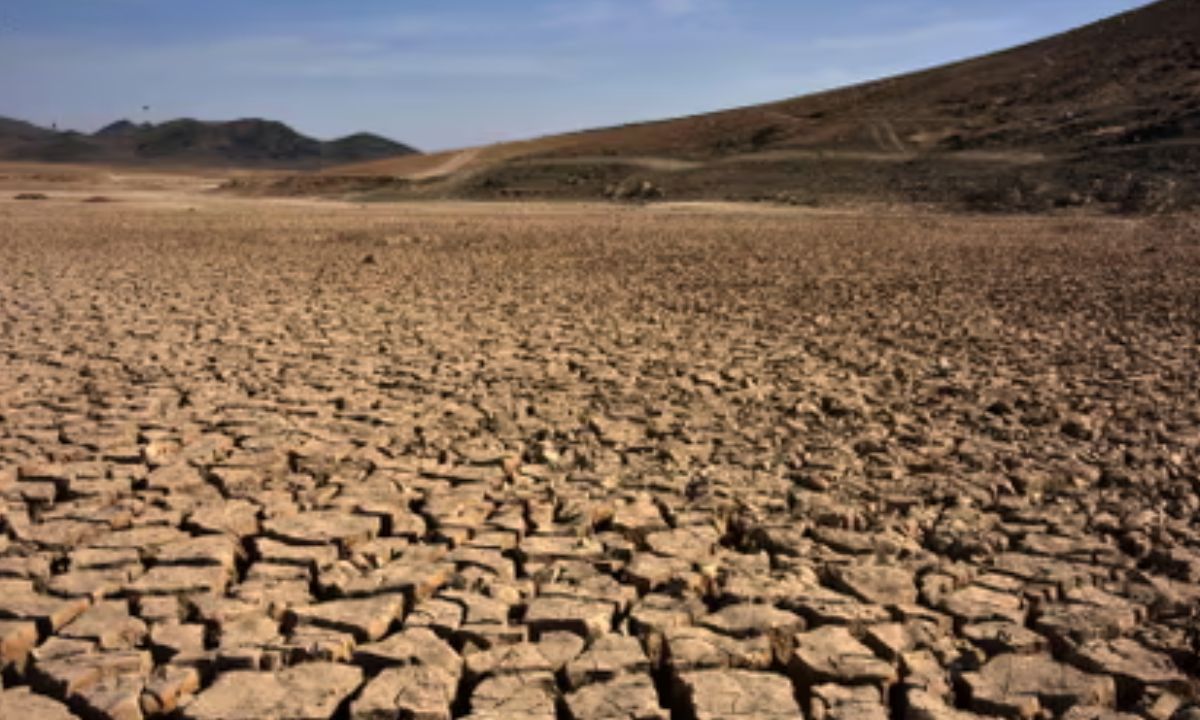


July 3, 2025: As Afghanistan grapples with political instability and economic turmoil, a new crisis is accelerating in silence — a rapidly spreading drought, now threatening to push the country further into humanitarian catastrophe.
According to a report by the United Nations’ Food and Agriculture Organisation (FAO), northern, northwestern, and northeastern provinces are the most severely affected. These regions, already vulnerable, are now seeing sharp declines in crop yields and rising livestock deaths due to prolonged dry spells, Khaama Press reported.
Also Read: Ranbir Kapoor Starrer ‘Ramayana’ First Look Revealed, Fans Get ‘Goosebumps’: Watch!
While the FAO hasn’t released specific figures, it warned that the situation is deteriorating fast. Communities that depend on seasonal rains and traditional water sources for farming and herding are facing devastating losses.
In a statement on X (formerly Twitter), FAO stressed the urgent need for humanitarian aid, particularly cash assistance and veterinary support to help families preserve their remaining livestock. The organization announced it is ready to scale up relief operations in drought-affected zones.“@FAO data show severe drought across northern, northwestern & northeastern regions, now spreading nationwide. Rainfed crops have collapsed & livestock losses are rising,” FAO in Afghanistan posted.
The worsening drought comes as Afghanistan faces ongoing poverty, limited access to international aid, and the impacts of prolonged conflict. Experts are warning that without immediate international support, the drought could spiral into a full-blown humanitarian disaster.
Earlier in June, the World Food Programme (WFP) highlighted that for many Afghans, food aid is the only lifeline. WFP teams continue to navigate rough terrains and remote mountain areas to deliver critical supplies, emphasizing that continued funding is vital.“For many Afghans facing hunger, this food is their only hope of survival,” WFP stated.
Humanitarian agencies are calling on global donors to step in with emergency funding and agricultural support to prevent further devastation across Afghanistan’s already fragile landscape.