
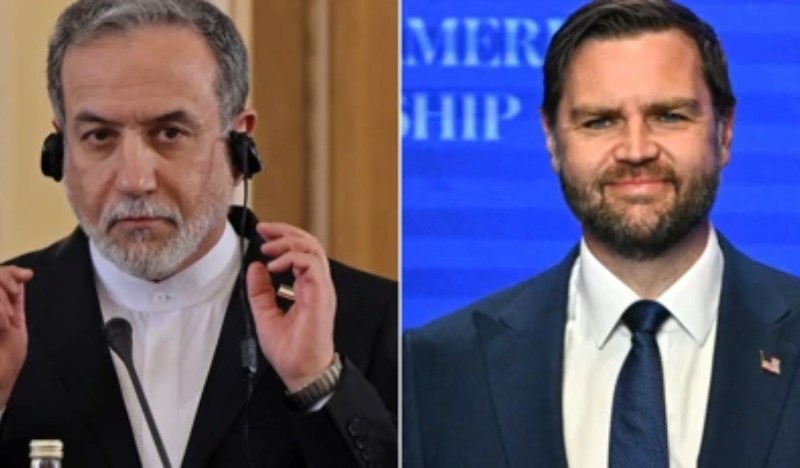


Direct negotiations between the United States and Iran have officially commenced in Islamabad, Pakistan, today, Saturday, April 11, 2026. The high-stakes summit, hosted at the fortified Serena Hotel, is the first face-to-face attempt to resolve a 40-day conflict that has paralyzed global energy markets.
The talks come just four days after a fragile two-week ceasefire (effective April 7) was brokered. However, the atmosphere remains tense as both sides have arrived with rigid, competing priorities.
The Delegations: Power Players in Pakistan
Islamabad’s “Red Zone” is currently under a total security lockdown, with a 2-mile perimeter and a public holiday declared to facilitate the meeting.
United States: Led by Vice President JD Vance, the team includes Special Envoy Steve Witkoff and Jared Kushner. Vance warned as he boarded Air Force Two: “If they’re going to try to play us, they’re going to find the negotiating team is not that receptive.”
Iran: Led by Parliament Speaker Mohammad Baqer Ghalibaf and Foreign Minister Abbas Araghchi. Ghalibaf, now a central figure in Tehran’s wartime leadership, expressed deep skepticism, stating: “We have good intentions but we do not trust… our experience with Americans has always been broken promises.”
The “Make-or-Break” Sticking Points
President Trump has identified two non-negotiable pillars for any deal: Zero Nuclear Capability and the Unconditional Opening of the Strait of Hormuz.
| Issue | US Position (Trump/Vance) | Iranian Position (Ghalibaf/Araghchi) |
| Nuclear Program | 99% of the deal: Permanent end to enrichment and total dismantling of weapon-grade stockpiles. | Recognition of the right to enrich uranium and immediate relief from “maximum pressure” sanctions. |
| Strait of Hormuz | Must be open “with or without” Iran’s help. Refuses to pay the $2M transit “tolls” instituted by the IRGC. | Claims sovereignty over the waterway; demands transit fees in Rials and control over “hostile” shipping. |
| Lebanon/Hezbollah | The US-Iran ceasefire is separate from Israel’s offensive in Lebanon. | Precondition: Direct talks only proceed if Israel halts strikes on Lebanon and Hezbollah. |
| Frozen Assets | Willing to discuss as a secondary “reward” for nuclear compliance. | Precondition: Washington must release billions in frozen assets before substantive talks begin. |
Maritime Reality: A “Supervised Pause,” Not a Recovery
Despite the ceasefire, maritime data providers report that the Strait of Hormuz remains a graveyard of commerce.
Limited Traffic: Only 5–9 vessels are currently transiting daily, compared to nearly 100 in peacetime.
IRGC Control: Most ships are being forced to use a specific corridor around Larak Island under Iranian military supervision.
Stranded Cargo: Approximately 800 large vessels remain trapped west of the Strait, with nearly 172 million barrels of oil currently idling in the Gulf.
The “Islamabad 10-Point Framework”
Iran has presented a framework calling for the withdrawal of US forces from the region and reparations for war damage. While President Trump has called parts of it a “workable basis,” the White House has clarified that demands regarding the removal of regional US bases are currently “outside the framework” of these specific talks.
Negotiation Timeline: The current ceasefire is set to expire on April 21, 2026. If a breakthrough is not reached in Islamabad by April 14, analysts warn of a “rapid return to escalation” in both the Persian Gulf and Lebanon.