
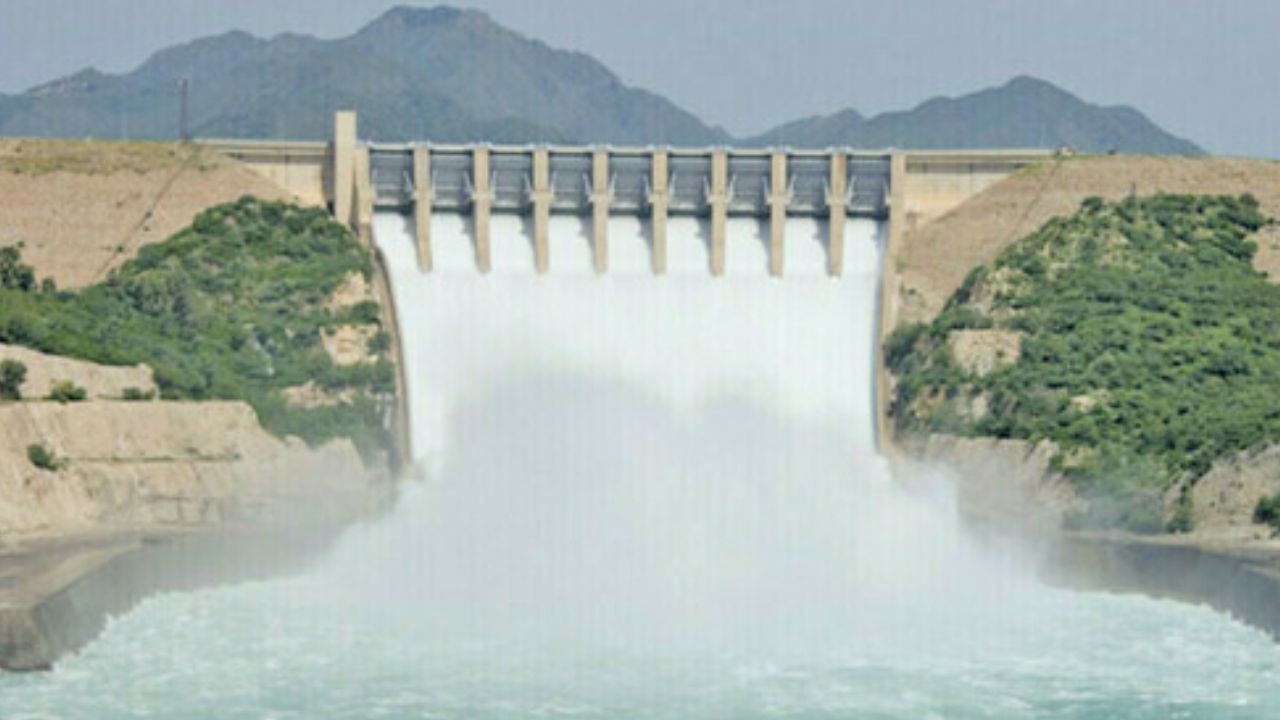


May 7, 2025: A severe water crisis is looming over Rawalpindi and Islamabad as the water level in Khanpur Dam has plummeted, leaving a supply buffer of only 35 days, according to local authorities. The dam, a key source of drinking and irrigation water for the twin cities and parts of Punjab and Khyber Pakhtunkhwa, is now just 25 feet above its dead level of 1,910 feet above mean sea level (AMSL).
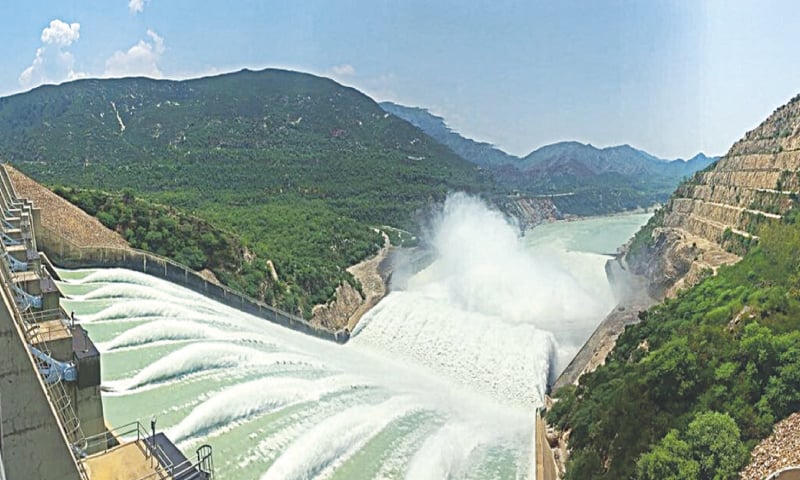
Officials warn that unless significant rainfall occurs in the next 10 to 15 days, the dam’s reserves will drop to dangerously low levels. Areas in the reservoir once submerged are now revealing exposed rocks and dry mounds, visually signaling the gravity of the situation and the visible impact of climate change on Pakistan’s water resources.
The Water and Power Development Authority (WAPDA) reported that the dam’s current water level is at 1,935 feet AMSL, with inflow at a mere 82 cusecs and outflow at 235 cusecs per day—a rate unsustainable under the ongoing dry spell. The low rainfall in the catchment areas such as the Margalla Hills and Galiyat has contributed significantly to this crisis, as natural springs have also begun to dry up.
Presently, water distribution from the dam includes:
- 90 cusecs daily to the Capital Development Authority (CDA)
- 6.18 cusecs to smaller entities, including the University of Engineering and Technology (UET), Taxila
- 48 cusecs to Khyber Pakhtunkhwa’s irrigation department
- 42 cusecs to Punjab for agricultural purposes
Due to rapidly depleting reserves, plans are underway to suspend irrigation water supply to Punjab and Khyber Pakhtunkhwa as early as next week. If conditions do not improve, drinking water supplies may also be reduced, affecting millions in the capital region.
This developing situation serves as a stark reminder of the increasingly volatile climate patterns in South Asia and the urgent need for sustainable water management and infrastructure adaptation.