
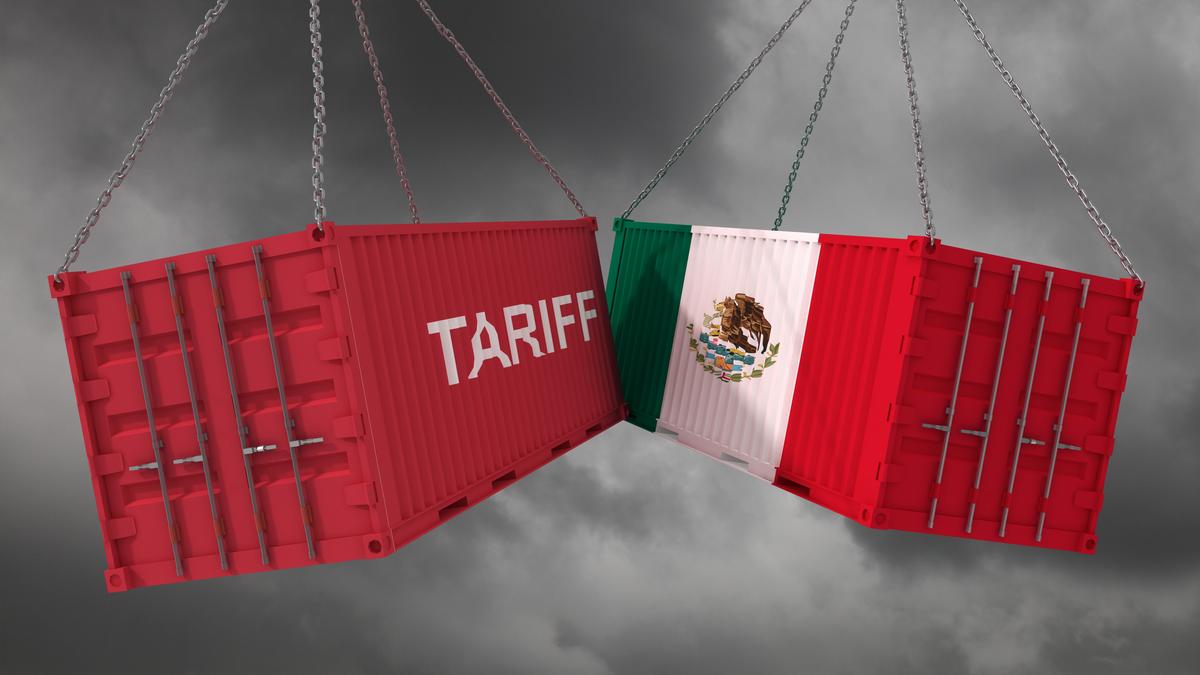


In a major reversal of its long-standing free-trade stance, Mexico has implemented a sweeping new tariff regime, significantly raising duties on imports from nations without a formal trade agreement, including India, China, South Korea, Thailand, and Indonesia.
Approved by the Senate with 76 votes in favor, the measure targets over 1,400 products, with duties potentially reaching 50% (though most will fall into the 35% bracket). The new rates will phase in starting next year and expand through 2026, applying to a wide array of goods such as automobiles and parts, textiles, apparel, metals, plastics, and footwear.
Why This Impacts India
This policy shift poses a significant challenge for India, which utilizes Mexico—the region’s second-largest economy—as a key entry point and a crucial hub for accessing North American supply chains, particularly the United States.
- Reduced Competitiveness: Industries like textiles, auto parts, leather goods, and steel face higher costs.
- Supply Chain Disruption: Indian firms supplying North American value chains via Mexico may have to rethink their routes.
- Higher Landed Costs: Mexican manufacturers reliant on Indian and other Asian inputs warn of increased production costs and domestic inflation.
US Influence Suggested
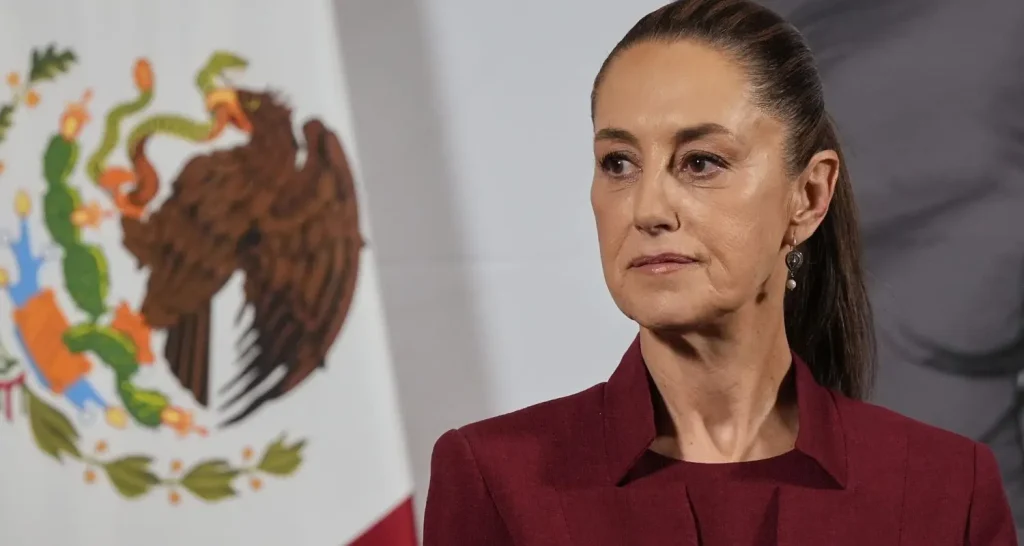
Analysts suggest Mexico’s sudden protectionist move, under President Claudia Sheinbaum’s administration, is closely linked to aligning with the United States’ tougher trade stance on Chinese goods. This is seen as a signal ahead of the USMCA (United States-Mexico-Canada Agreement) review next year, potentially hoping to alleviate US tariffs on Mexican exports like steel.
The new levies are projected to generate nearly 52 billion pesos (approx. ₹19,000 crore) in additional government revenue next year to help narrow Mexico’s fiscal deficit. While some Mexican lawmakers support the move to protect domestic jobs and industries, others warn it acts as a “tax on consumers.”