

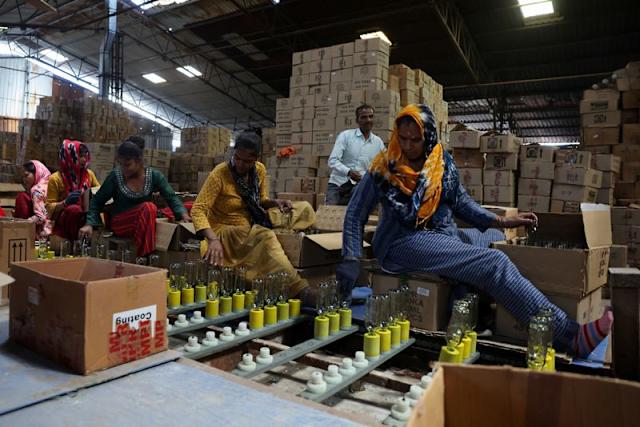


Gas shortages and rising shipping costs threaten jobs, exports, and manufacturing growth
India’s historic glassmaking centre Firozabad is facing a major crisis as the ongoing US-Iran conflict disrupts energy supplies and global trade routes, severely impacting production and employment.
Firozabad, known as the country’s “Glass City,” relies heavily on continuous gas supply to run furnaces at extremely high temperatures. However, fuel shortages have forced factories to scale down operations, leaving thousands of workers without jobs during what is usually the busiest season.
The crisis has hit both large manufacturers and small artisans, many of whom have shut their units due to lack of affordable gas. The industry employs around 200,000 workers directly and supports nearly 500,000 people indirectly, all of whom are now facing uncertainty.
The timing has worsened the impact, as manufacturers typically increase production between March and August to meet global demand for festive seasons like Christmas and Halloween. Instead, exports have dropped sharply, with shipments falling by nearly 20% in March.
Apart from energy shortages, exporters are also struggling with rising freight costs and disrupted shipping routes. India’s dependence on Gulf trade routes, especially through the Strait of Hormuz, has made the situation worse, as tensions in the region have pushed up logistics and insurance costs.
The slowdown in Firozabad is being seen as a warning sign for India’s broader manufacturing sector. Industries such as textiles and engineering are also beginning to feel the pressure, raising concerns over economic growth and employment.
Experts warn that if the conflict continues, the crisis could deepen, affecting thousands of small businesses and derailing India’s efforts to expand its manufacturing base.