


With mounting unrest and 31 lives lost, Nepal’s young generation takes charge of a nationwide anti-corruption movement, calling for systemic change and integrity in leadership.
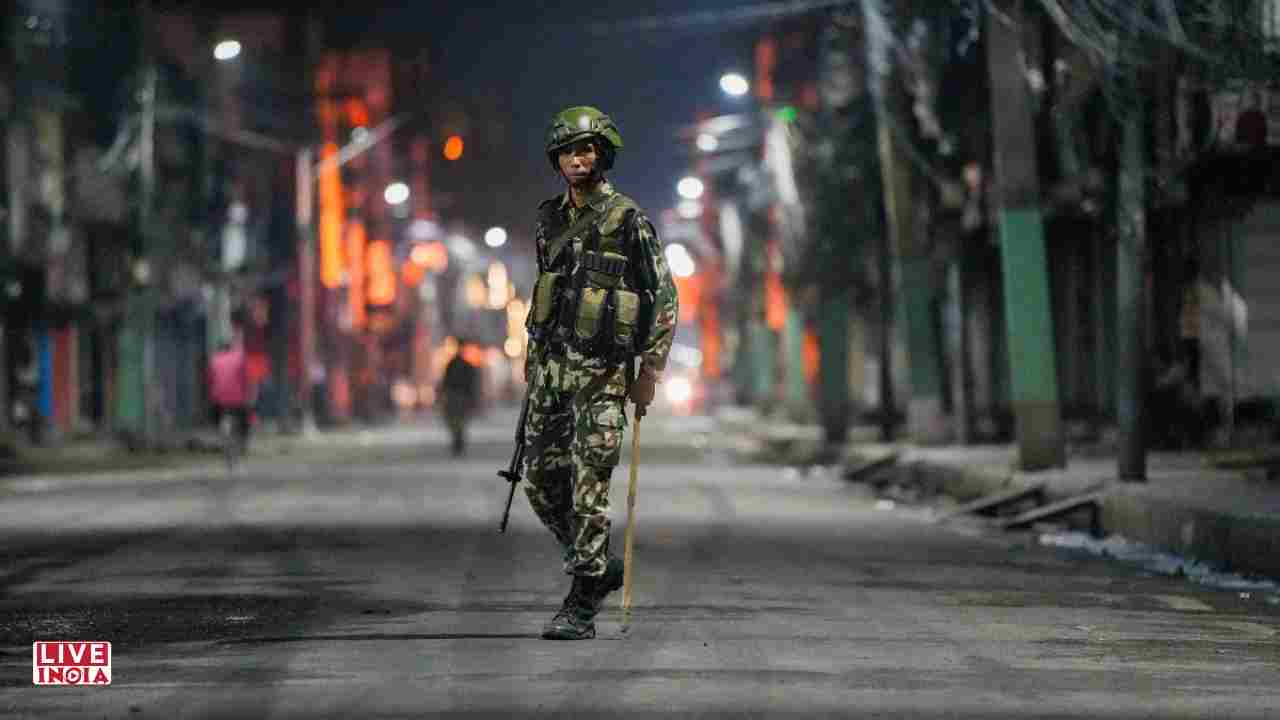
Kathmandu, September 11 – Nepal remains under a tight nationwide curfew as the Gen Z-led protest movement against corruption and political stagnation continues to shake the country’s foundations. The Nepal Army announced an extension of restrictions, with prohibitory orders in Kathmandu Valley (Kathmandu, Lalitpur, and Bhaktapur) from 11 am to 5 pm on September 12, and a night curfew from 7 pm on September 12 to 6 am on September 13, citing public safety concerns.
The curfew extension comes as tensions escalate, with at least 31 people killed and more than 1,000 injured in clashes since the protests began on September 8.
President Appeals for Peace
In a rare address to the nation, President Ram Chandra Paudel urged calm and restraint, promising that efforts were underway to address the concerns of the protestors.
“Respected Nepali brothers and sisters, I am making every effort to find a way out of this difficult situation within the constitutional framework. Democracy must be protected, and peace and order must prevail. I appeal to all parties to believe that solutions are being sought and to cooperate in maintaining peace,” the President said.
Gen Z Calls for Integrity, Endorses Sushila Karki
At the heart of the movement are Nepal’s young protest leaders, who have voiced their frustration at what they call “institutionalised corruption and favouritism” in governance.
In a decisive move, the leaders collectively endorsed former Chief Justice Sushila Karki as their nominee for interim Prime Minister. Karki, Nepal’s first female Chief Justice, is widely respected for her uncompromising stance against corruption in both the judiciary and politics.
“We should choose Sushila Karki as the guardian of the country during this transition,” said Gen Z leader Junal Gadal.
Another protest leader, Diwakar Dangal, added: “This movement is against corruption. It is rampant, and it is suffocating the country.”
A Movement Struggling for Unity
While the protests began peacefully, episodes of violence and arson have marred the demonstrations. Leaders blame political infiltrators for the destruction.
“We had called for a peaceful protest. The violence was caused by political cadres. We don’t want to rewrite the Constitution—only to amend it where necessary,” said Gen Z leader Anil Baniya, who confirmed that an online vote among youth leaders selected Karki as the preferred interim leader.
Ojashwi Raj Thapa, another prominent face of the youth uprising, warned against old political forces attempting to divide them:
“We are not ready to take full leadership yet, but this bloodshed is the doing of the old leaders. We want the parliament dissolved, not the Constitution scrapped.”
Support for Change Gains Momentum
Kathmandu’s popular Mayor Balendra Shah (Balen) has thrown his support behind Karki, further boosting her credibility as a unifying figure for the Gen Z movement.
Meanwhile, public anger has been amplified by the government’s ban on social media platforms, which initially sparked the protests. The move, intended to regulate tax and cybersecurity, instead backfired—exposing long-simmering frustrations with inequality and nepotism.
The viral “Nepo Babies” trend on social media, highlighting the lavish lifestyles of politicians’ children compared to the struggles of ordinary citizens, has only deepened public resentment.
The Road Ahead
As the curfew stretches on, Nepal stands at a crossroads. With young voices demanding accountability, the resignation of former Prime Minister KP Sharma Oli, and growing support for Sushila Karki as an interim leader, the country is witnessing a generational push for reform.
Whether this Gen Z movement can bring about lasting political change—or be absorbed into the very system it opposes—remains the central question in the days ahead.