



“Iran is closer than ever to obtaining a nuclear weapon,” says IDF spokesperson as Israel launches precise strikes on enrichment sites in Natanz and beyond
Tel Aviv, June 13 — The Israeli Defense Forces (IDF) have confirmed launching a “preemptive and precise” military operation targeting Iran’s nuclear program, citing intelligence that suggests Tehran is nearing the final stages of developing a nuclear weapon. The strikes come amid heightened regional tensions and follow years of warnings from Israel about Iran’s nuclear ambitions.
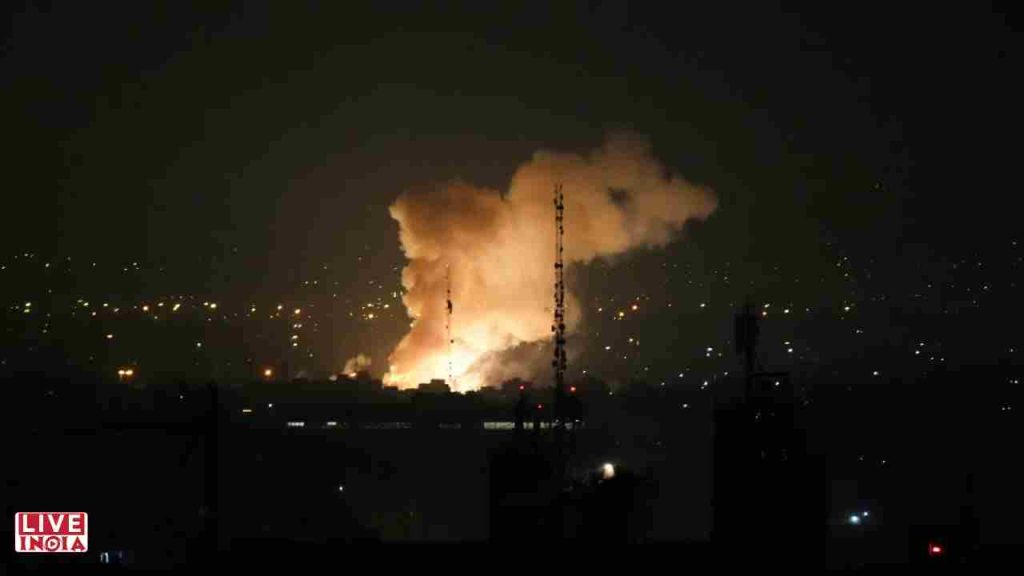
Brigadier General Effie Defrin, spokesperson for the IDF, stated Friday morning that the airstrikes were necessary to neutralize an “imminent and existential threat” to Israel’s national security. The strikes reportedly targeted key nuclear facilities in Iran, including those in the Natanz region — home to some of Iran’s most critical uranium enrichment infrastructure.
“For years, the Iranian regime has called for the destruction of the State of Israel, planning and advancing concrete military plans to do so,” Defrin said. “Over the past few months, intelligence has shown that Iran is closer than ever to obtaining a nuclear weapon. This morning, the IDF began preemptive and precise strikes targeting the Iranian nuclear program in order to prevent the Iranian regime’s ability to build a nuclear bomb in the immediate timeframe.”
“This Operation Is for Our Right to Exist” – Israel’s Justification

In an emotionally charged statement, Defrin emphasized the existential nature of the Iranian threat, positioning the strikes as a necessary act of national self-preservation.
“We have no choice. We are operating against an imminent and existential threat,” he said. “We cannot allow the Iranian regime to obtain a nuclear weapon that would be a danger to Israel and the entire world. This operation is for our right to exist here, for our future and for our children’s future.”
The Israeli government maintains that preemptive military action is a last resort, but justified in the face of credible, time-sensitive intelligence about Iran’s nuclear capabilities.
IDF Prepared for Retaliation
Defrin also confirmed that Israel is fully prepared for potential escalation and retaliatory strikes, noting that the IDF is in a heightened state of both offensive and defensive readiness.
“The IDF conducted significant preparations for this operation. We are well prepared both in defence and offense to defend ourselves. The IDF will continue to defend the State of Israel,” he said.
Explosions Reported at Natanz Nuclear Facility
According to The Times of Israel, Iranian state television reported that “loud explosions” were heard in the city of Natanz, a central hub of Iran’s nuclear enrichment efforts located in Isfahan province. Natanz is home to multiple sensitive nuclear installations, including:
- The underground Fuel Enrichment Plant (FEP)
- The above-ground Pilot Fuel Enrichment Plant (PFEP)
- A network of underground tunnels reportedly under construction to protect key operations from aerial attack
These facilities have been the focal point of prior Israeli covert operations, including alleged cyberattacks and sabotage. Friday’s airstrikes are the first openly acknowledged full-scale aerial campaign.
Strategic Implications: A Red Line Crossed?
This is the most direct and overt strike yet by Israel on Iranian nuclear infrastructure and could dramatically shift regional dynamics. Military analysts warn of potential retaliatory moves by Iran or its proxies, as well as a shift in international diplomacy regarding Iran’s nuclear ambitions.
Israel has long warned that it would not allow Iran to become a nuclear-armed state, viewing such a scenario as an unacceptable threat to its existence. With the IDF now openly striking nuclear facilities, the situation has reached a critical inflection point.
Conclusion: Preemption over Diplomacy?
As of now, Iran has yet to officially respond, but the targeting of Natanz suggests a significant escalation. Whether this operation marks the beginning of a broader military campaign or a one-time preemptive action remains unclear. What is evident, however, is that Israel views the nuclear threat as no longer theoretical — but imminent.