
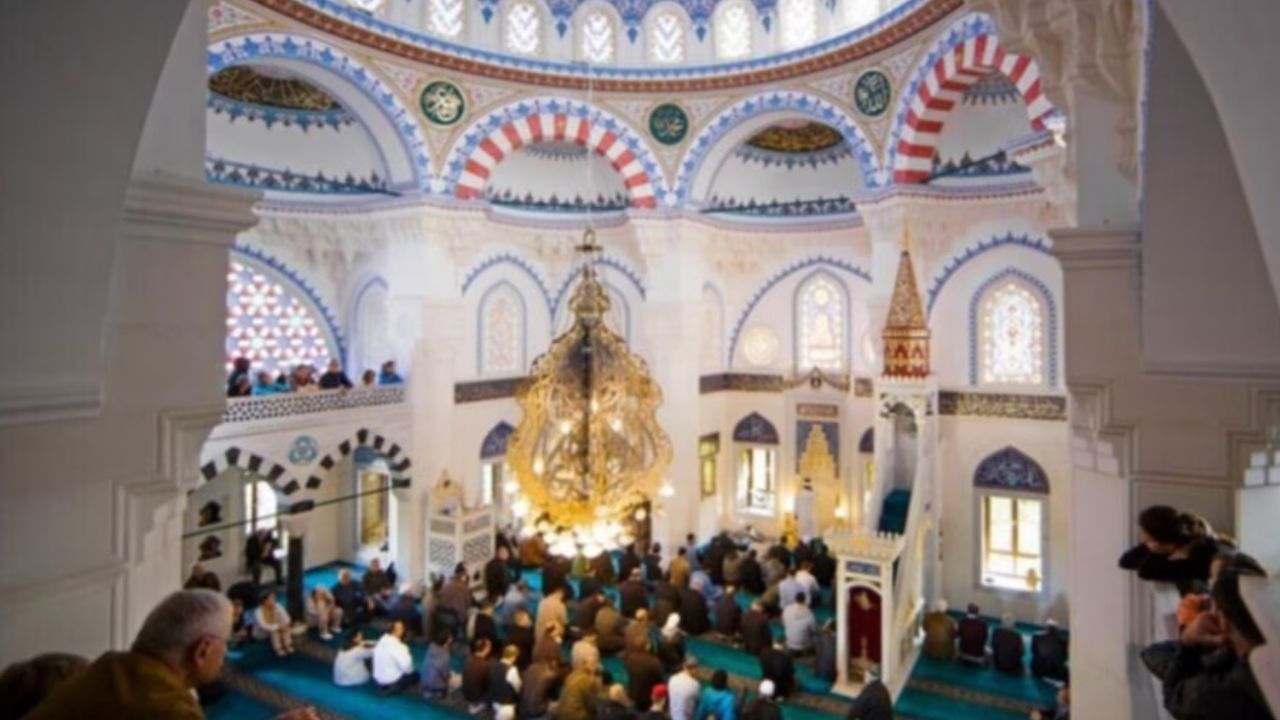


From Erlangen to Berlin, new places of worship highlight a rapidly diversifying religious landscape
April 5, 2026: Cities like Erlangen are becoming symbols of Germany’s evolving religious identity, with new projects including a synagogue, expanding mosques, and a planned Hindu temple by the Hindu Tempel Franken association. The city’s growing Indian community, supported by institutions like Siemens and its university, reflects broader demographic shifts. While Catholic and Protestant churches remain present, newer faith communities — including Hindu, Muslim, and Orthodox Christian groups — are increasingly visible in urban spaces, reshaping Germany’s traditional religious landscape.
Across Germany, the number of Christians has declined significantly, now making up about 44% of the population. At the same time, other religious groups are expanding. According to Federal Office for Migration and Refugees, millions of Muslims live in the country, alongside growing Orthodox, Jewish, Buddhist, and Hindu populations. This shift is reflected in the construction of new religious spaces, such as Buddhist temples in Berlin-Mitte and the upcoming largest Hindu temple in Berlin, driven by a rapidly increasing Indian diaspora.
The trend extends nationwide, with cities like Frankfurt am Main, Cologne, Hamburg, and Munich seeing a rise in temples and mosques. Organizations such as DITIB and the Ahmadiyya Muslim Community continue to expand their presence, while new synagogues and Jewish institutions are also being built. Despite challenges like construction delays and local opposition, the expansion of diverse places of worship signals a profound transformation in Germany’s social and cultural fabric.