

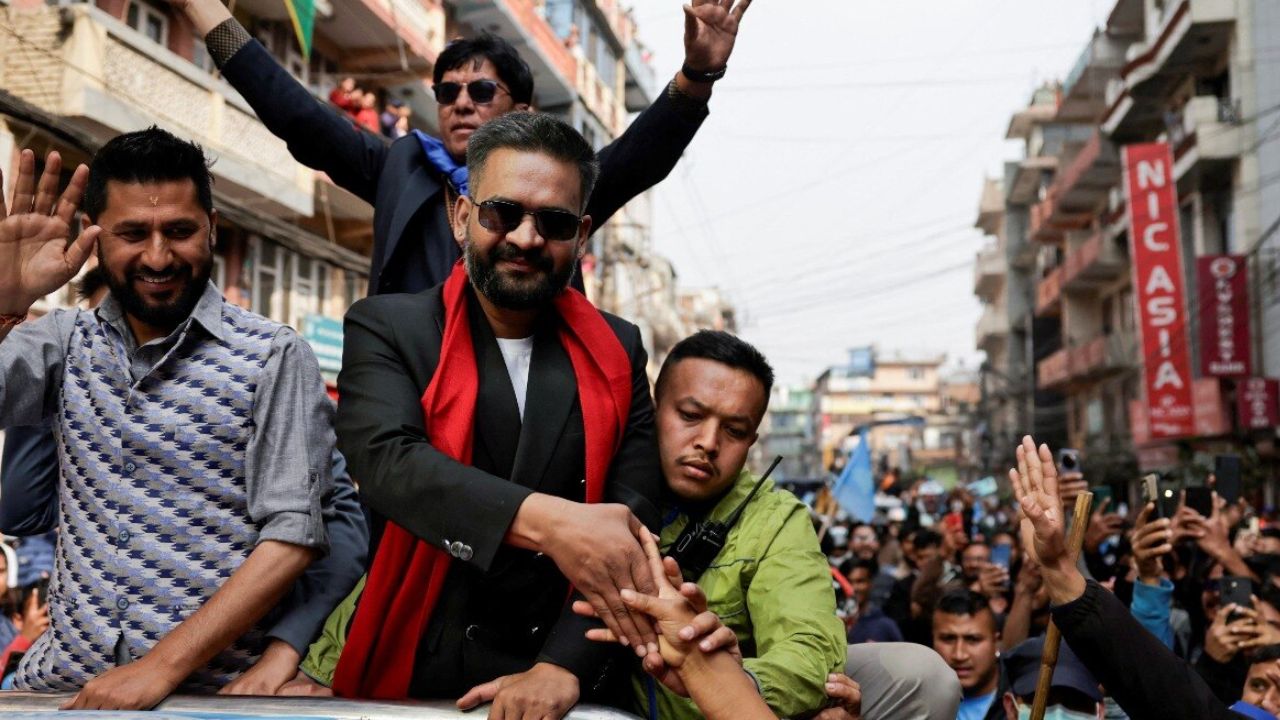

, led by former rapper-turned-politician Balendra Shah, appears poised for a major)
Balendra Shah’s party leads early trends, challenges traditional giants
March 6, 2026: Nepal’s newly formed Rastriya Swatantra Party (RSP), led by former rapper-turned-politician Balendra Shah, appears poised for a major electoral breakthrough as early trends from the country’s general elections show the party winning three seats and leading in 45 of the 57 constituencies counted so far. The vote counting follows the first national election since the Gen Z-led protests that brought down the coalition government led by former prime minister K. P. Sharma Oli.
According to early reports, Oli’s Communist Party of Nepal (Unified Marxist–Leninist) was ahead in five constituencies, while the Nepali Congress, headed by Gagan Thapa, was leading in four seats. The Nepal Communist Party (Maoist Centre) led by former prime minister Pushpa Kamal Dahal Prachanda was ahead in two constituencies, while the pro-monarchist Rastriya Prajatantra Party led in one. The RSP has already secured victories in Kathmandu 1, Kathmandu 7, and Kathmandu 8, with candidates Ranju Darshana, Ganesh Parajuli, and Biraj Bhakta Shrestha emerging as winners, though the results are yet to be formally announced by the Election Commission of Nepal.
Media reports indicate the RSP is leading in all ten constituencies in Kathmandu, with Shah himself ahead in the Jhapa 5 constituency against Oli. Around 60 percent voter turnout was recorded in the elections for the 275-member House of Representatives of Nepal. Founded in 2022, the RSP has rapidly gained support, positioning Shah as a potential contender for the prime minister’s post as counting continues.