
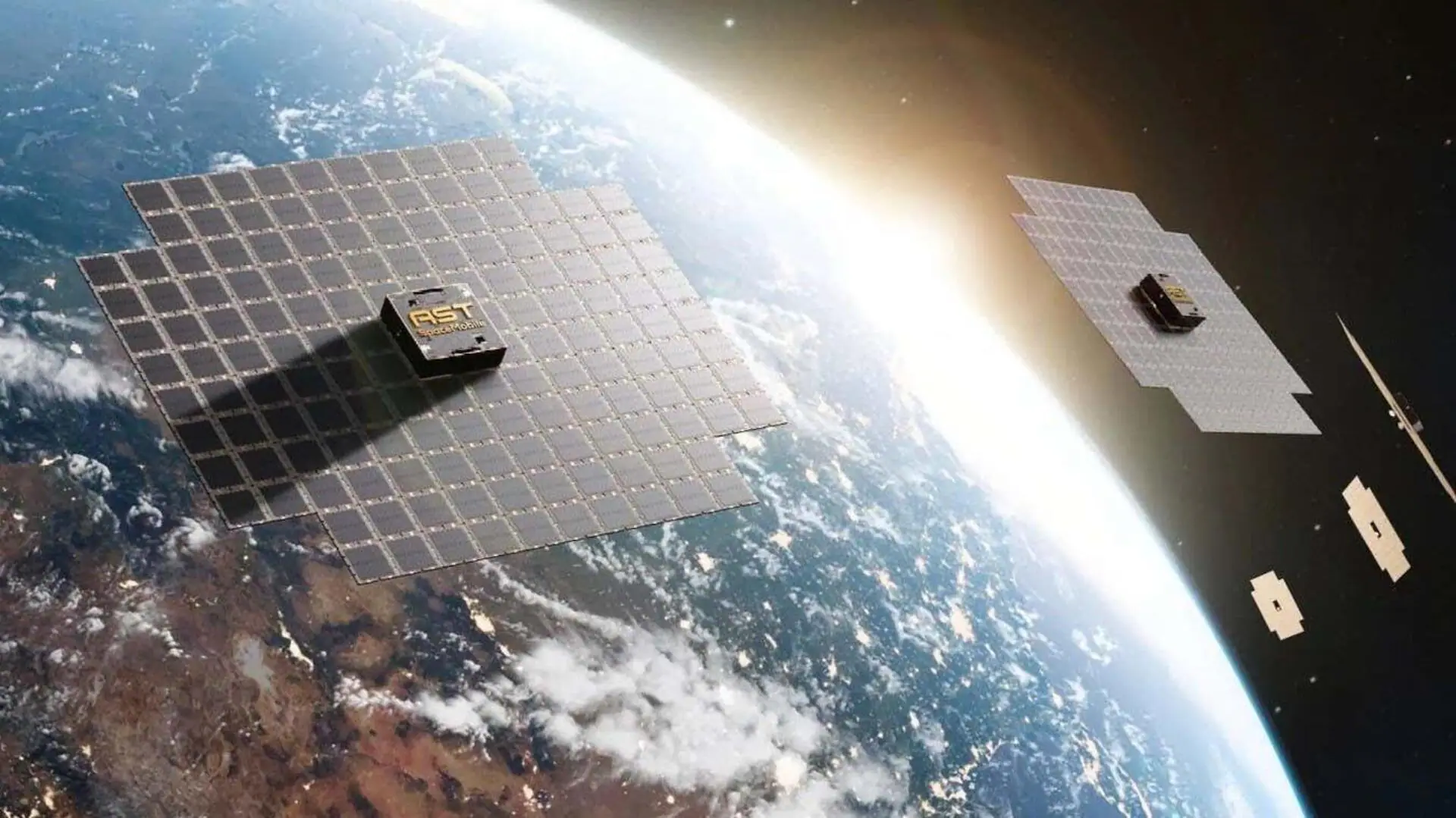


Over 2,500 scientists from more than 30 countries have urged regulators to review proposals by Reflect Orbital and SpaceX, warning that altering Earth’s natural light cycle could disrupt ecosystems and biological rhythms worldwide.
Scientists Raise Alarm Over Massive Satellite Expansion Plans
Leading researchers have warned that plans to launch reflective satellites and up to one million additional spacecraft into low Earth orbit could pose serious risks to human health, wildlife, and global ecosystems, according to a report by The Guardian.
Around 2,500 scientists representing more than 30 countries have written to the Federal Communications Commission (FCC), which is currently reviewing two major satellite proposals that could significantly change the night sky and natural light cycles.
The scientists have urged regulators to conduct a full environmental review before granting any approvals, citing long-term ecological and health concerns.
What Are The Proposed Satellite Projects?
Two separate proposals are at the centre of the controversy.
Start-up company Reflect Orbital has proposed launching satellites equipped with mirrors capable of redirecting sunlight to specific areas of Earth during nighttime hours. The concept aims to illuminate selected regions after sunset, potentially reducing reliance on artificial lighting.
Meanwhile, aerospace company SpaceX has applied to deploy up to one million satellites to build a massive orbital computing network designed to support artificial intelligence workloads.
If approved, these projects could dramatically increase the number of satellites in orbit and alter the amount of artificial light visible from Earth.
Risks To Biological Clocks And Ecosystems
Scientists say altering Earth’s natural day-night cycle could have widespread consequences across ecosystems.
According to researchers, increased nighttime illumination could:
- Disrupt biological clocks in humans and animals
- Interfere with migration patterns of nocturnal species
- Affect seasonal growth cycles in plants
- Disturb marine phytoplankton — microscopic organisms that support ocean food chains
Charalambos Kyriacou, a professor at the University of Leicester, warned that removing natural darkness could have far-reaching consequences.
“This could have global implications for things like food security. Plants need the night. You cannot just get rid of it,” he said.
Experts emphasised that darkness plays a fundamental role in regulating plant growth, animal behaviour, and ecological balance.
Night Sky Brightness Already Increasing
Environmental groups have also highlighted the growing impact of existing satellites.
Ruskin Hartley of DarkSky International noted that current satellite deployments have already increased the brightness of the night sky by approximately 10 percent.
That figure is expected to rise significantly by 2035 if additional satellites are launched at the proposed scale.
Hartley also warned that the reflective systems proposed by Reflect Orbital could create dangerous glare or sudden flashes of light if technical failures occur, posing safety risks.
Health Experts Warn About Circadian Disruption
Medical and sleep experts have also joined the growing opposition.
A letter signed by the presidents of the World Sleep Society and other organisations highlighted the importance of maintaining natural light-dark cycles.
They warned that disruption to circadian rhythms — the body’s internal clock — is associated with serious health consequences, including sleep disorders and metabolic issues.
“The alternation of light and dark is one of the oldest organising principles of life on Earth,” the letter stated.
Calls For Environmental Review Before Approval
Scientists are now urging the FCC to require comprehensive environmental impact studies before allowing such large-scale satellite deployments.
While Reflect Orbital declined to comment on the concerns, SpaceX has not yet responded to requests for clarification.
Researchers argue that the long-term effects of these technologies must be fully understood before decisions are made that could permanently alter Earth’s natural environment.
Why This Debate Matters Globally
The debate surrounding reflective satellites and mega-constellations highlights growing concerns about balancing technological progress with environmental protection.
While satellite technology has revolutionised communication, navigation, and data processing, scientists caution that unchecked expansion could unintentionally disrupt ecosystems, agriculture, and human health on a global scale.
With regulators now reviewing these proposals, the decisions made in the coming months could shape the future of space development and environmental sustainability.