

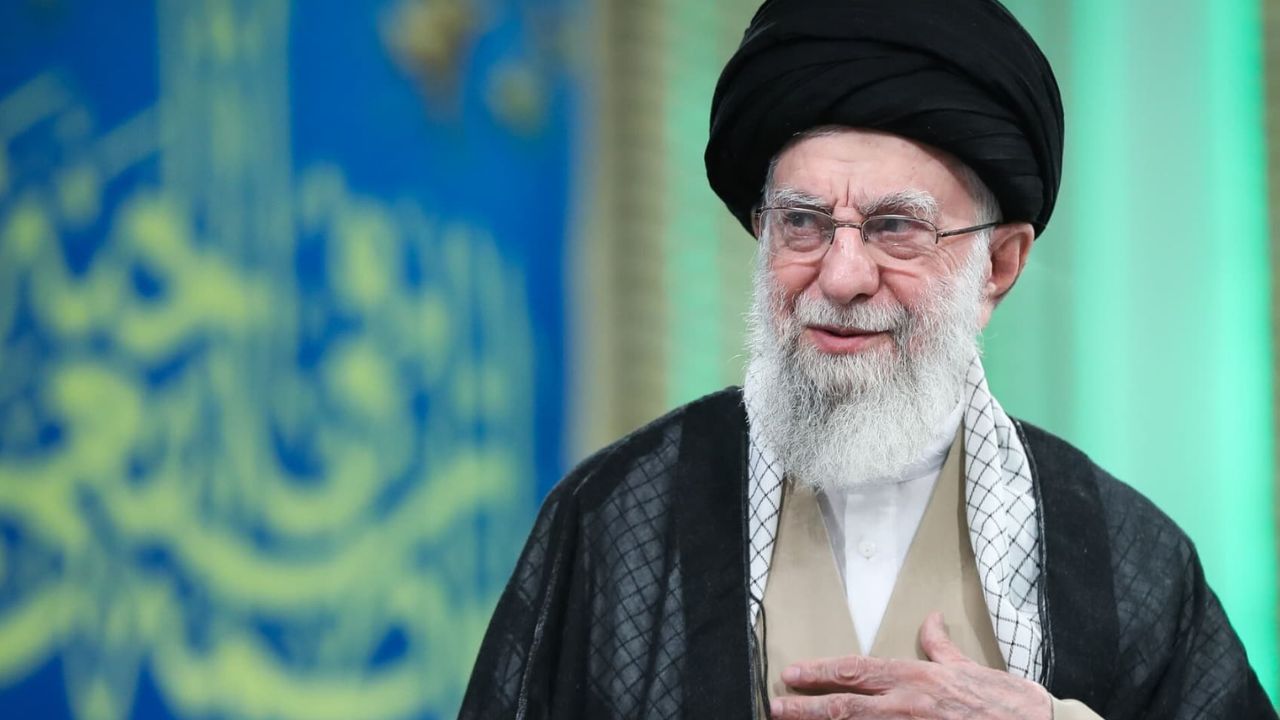


Reports revisit financial network linked to Iran’s Supreme Leader amid conflict claims
March 1, 2026: Amid reports of intense US and Israeli airstrikes and unverified claims regarding the death of Ali Khamenei, renewed attention has turned to the vast economic structure reportedly operating under his authority. Khamenei served as Iran’s Supreme Leader since 1989, holding the country’s most powerful office for over three decades. While he publicly projected a modest religious lifestyle, past international investigations have pointed to extensive institutional assets linked to his office.
A 2013 investigation by Reuters estimated that assets overseen through networks connected to Khamenei were worth around $95 billion at the time. The report clarified that this wealth was not described as personal cash holdings but was allegedly managed through a powerful organisational structure known as Setad Ejraiye Emam, or Setad. Established after the 1979 revolution to manage confiscated properties, Setad reportedly expanded into sectors such as real estate, energy, banking, telecommunications and industrial investments, operating under the Supreme Leader’s office without direct parliamentary oversight.
More recent unverified estimates have suggested that assets linked to this network could have grown significantly, though the methodology behind such figures remains unclear. Analysts note that the debate centres on the distinction between personal ownership and institutional control, as supporters argue Khamenei lived modestly while critics contend that effective authority over vast holdings rested with his office. Limited public financial disclosure has kept the true scale of these assets a subject of ongoing scrutiny and discussion.