

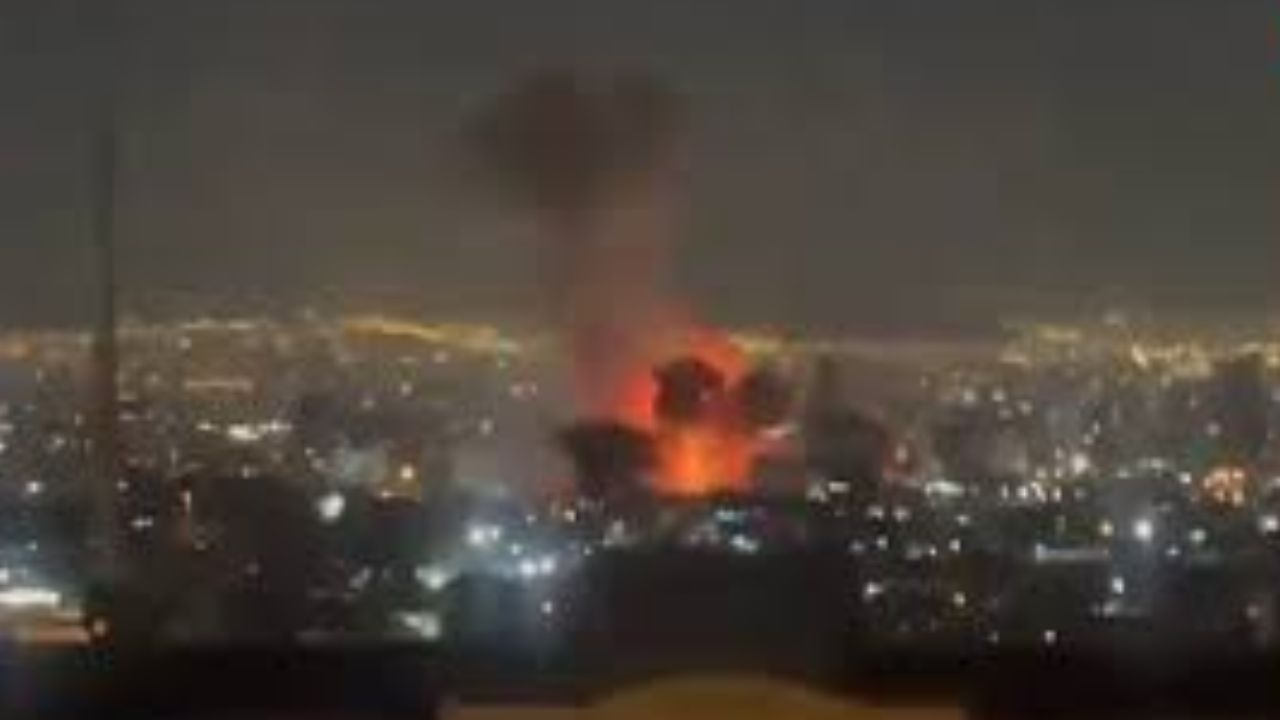


Explosions in Tehran expose growing gap between diplomacy claims and ground reality as tensions escalate between United States, Israel and Iran
March 24, 2026: Fresh explosions in Tehran have heightened fears of a broader regional conflict, with reports indicating coordinated airstrikes by the United States and Israel targeting key sites in the Iranian capital. The strikes come despite recent claims by Donald Trump that backchannel negotiations with Iran were underway and that a temporary pause on attacks had been considered. However, multiple blasts across the city suggest continued and intensified military operations on the ground.
At the same time, Iran has sustained its retaliatory strikes on US-linked bases and Israeli positions, signaling no immediate de-escalation. Iranian officials have categorically denied any ongoing talks with Washington, dismissing the claims as misleading and politically driven. According to Tehran, such narratives are part of a broader strategy aimed at shaping global perception and influencing markets amid rising tensions.
The contradiction between diplomatic messaging and active warfare has deepened global uncertainty. Analysts warn that the conflict is entering a more volatile phase, marked by advanced weaponry and psychological tactics on both sides. With risks to critical infrastructure, including energy and water resources, continuing to rise, the widening gap between rhetoric and reality is leaving the region on edge and dimming hopes for an early resolution.