

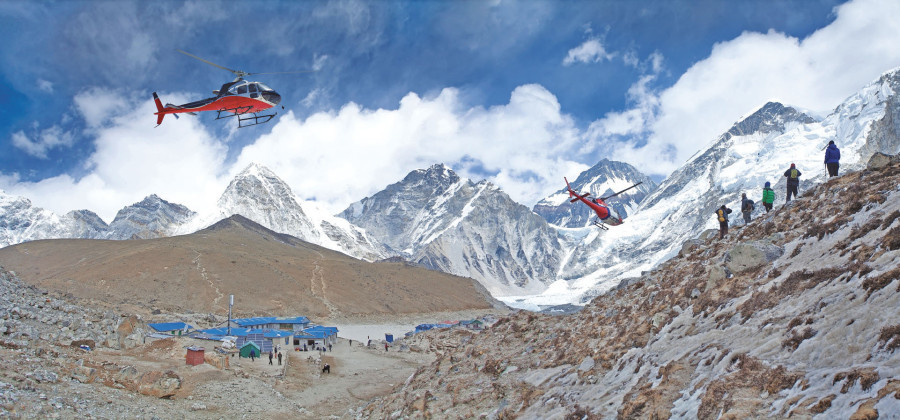


KATHMANDU — In a development that has sent shockwaves through the global mountaineering community, Nepal’s Central Investigation Bureau (CIB) has exposed a sophisticated “rescue scam” on Mount Everest. According to a report by the Kathmandu Post, authorities have charged 32 individuals, including trekking guides and agency operators, for allegedly orchestrating fraudulent helicopter evacuations to exploit traveler insurance policies.
1. The Mechanics of the Scam
The investigation revealed two primary methods used by scammers to trigger expensive helicopter rescues, which can cost anywhere from $2,500 to $10,000 per flight.
- The “Laced Food” Tactic: In the most disturbing allegation, guides reportedly laced tourists’ food with Diamox (Acetazolamide)—a medication used to prevent altitude sickness—combined with excessive water intake. This combination can trigger symptoms like frequent urination, tingling, and nausea, which guides then misrepresented as life-threatening High Altitude Cerebral Edema (HACE) or Pulmonary Edema (HAPE) to justify an emergency airlift.
- Fear-Mongering: Guides allegedly exploited the natural anxiety of climbers by convincing them that minor, treatable altitude symptoms were signs of imminent death, forcing terrified tourists to agree to a rescue they didn’t actually need.
- The “Lazy Trekker” Option: Some willing tourists who were simply too exhausted to hike down from Everest Base Camp (EBC) were allegedly coached by guides to “fake” illness. The guides would then coordinate with specific hospitals and helicopter companies to split the insurance payout.
2. Arrests and Legal Action
The CIB has taken decisive action as the spring climbing season begins in 2026:
- 9 Arrests Made: Nearly a dozen suspects are currently in custody in Kathmandu.
- 23 on the Run: The remaining 23 charged individuals are currently being sought by police, with many believed to have fled into the high-altitude regions or across borders.
- Institutional Involvement: The probe is also looking into several private hospitals in Kathmandu and helicopter charter companies suspected of providing kickbacks to guides for every “patient” delivered.
3. Impact on the Trekking Industry
This scandal comes at a sensitive time for Nepal’s tourism sector, which is already grappling with the indirect economic effects of the West Asia conflict.
- Insurance Hikes: Global travel insurance providers have warned that if the scamming persists, premiums for Nepal trekking coverage could skyrocket, or coverage for helicopter evacuations may be removed entirely.
- New Regulations: The Nepal Department of Tourism is reportedly considering a new mandatory “third-party verification” system for all high-altitude rescues to ensure they are medically necessary before a flight is dispatched.
Safety Advice for Everest Trekkers (Spring 2026)
| Risk Factor | How to Protect Yourself |
| Medication Control | Only take Diamox if prescribed by your doctor; never accept unsealed medication from guides. |
| Food Safety | Monitor your food preparation when possible; be wary of sudden, unexplained changes in how you feel after a meal. |
| Independent Verification | If a guide suggests a rescue, try to consult a second opinion via satellite phone or at a high-altitude clinic like the one in Pheriche. |
| Insurance Integrity | Ensure your insurance company is reputable and notify them immediately if a rescue is proposed. |