Trump Suggests India May Halt Russian Oil Buys, While New Delhi Stands Firm on Sovereign Energy Choices
Washington D.C. [US]: The diplomatic dance between the United States and India just got a little more complex. On Friday, US President Donald Trump dropped a bombshell, suggesting that India might soon cease its purchases of Russian oil. He called it “a good step” if confirmed, a remark that immediately put New Delhi on the defensive, with India fiercely reiterating its sovereign right to chart its energy course based purely on national interest.
Earlier on Friday, India’s Ministry of External Affairs (MEA) had already laid down its stance. MEA spokesperson Randhir Jaiswal clarified that India’s energy sourcing is always guided by market dynamics and its own national interests. Crucially, he added that the government was “unaware of any specific developments” regarding Indian oil companies pausing Russian imports.
President Trump’s intriguing comments came during an exchange, when he was pressed on whether he had a specific penalty figure in mind for India and if he planned to speak with Prime Minister Narendra Modi.
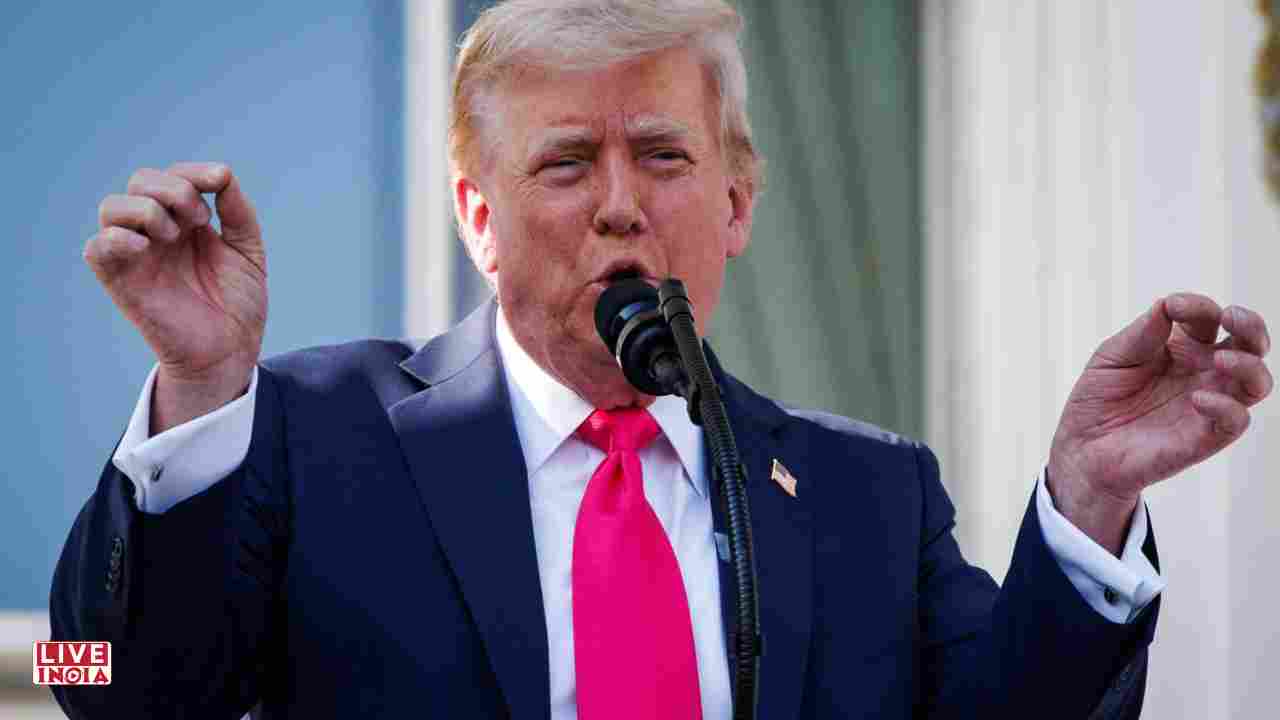
“I understand that India is no longer going to be buying oil from Russia. That’s what I heard, I don’t know if that’s right or not. That is a good step. We will see what happens…” Trump stated, hinting at a potential shift he would welcome.
Just hours before Trump’s remarks, during his weekly media briefing, MEA spokesperson Jaiswal had addressed media reports about some Indian oil companies supposedly halting Russian oil imports. His response was consistent with India’s established policy: “You are aware of our broad approach to energy sourcing requirements, that we look at what is available in the market and the prevailing global situation. We are not aware of any specifics.”
Jaiswal’s comments were, in part, a response to a series of critical statements from US officials, including President Trump and Secretary of State Marco Rubio. These criticisms have repeatedly targeted India for continuing to import heavily discounted Russian oil, despite the widespread Western sanctions imposed following the war in Ukraine.
Beyond the oil debate, New Delhi expressed confidence on Friday that its relationship with the United States will continue to strengthen, affirming its focus on the “substantive agenda” that both countries are committed to. This comes even as trade tensions remain a palpable undercurrent.
Adding to that tension, President Trump had, on Wednesday, announced the imposition of 25 percent tariffs on Indian goods and an additional penalty specifically for importing Russian oil. This move came despite earlier hopes for an interim India-US trade deal that many believed would have helped avoid such elevated tariffs.
When asked if the US remained open to negotiating with India on the tariff front, Trump affirmed, “We’re talking to them now. We’ll see what happens.” He quickly pivoted to his long-standing grievance about India’s tariff rates, stating, “Again, India was the highest or just about the highest tariff nation in the world, one of the highest, 100 points, 150 points or percentages. So India was one of the highest in the world. They had 175 per cent and higher than that.”
Despite these sharp criticisms on trade, Trump emphasized his personal relationship with Prime Minister Narendra Modi, referring to him as “a friend.” Yet, he simultaneously pointed to the significant US trade deficit with India, explaining why he believed the previous trade numbers were skewed. He added that the exact tariff percentage in a future deal “doesn’t matter too much” as long as a resolution is found.
“As you know, Prime Minister Modi is a friend of mine, but they don’t do very much business in terms of business with us. They sell a lot to us, but we don’t buy from them. You know why? Because the tariff is so high,” Trump asserted. “They have one of the highest tariffs in the world. Now they’re willing to cut it very substantially. But we’ll see what happens. We’re talking to India now.”
Meanwhile, back in India, the government informed Parliament on Thursday that it is actively examining the impact of these recent announcements from President Trump regarding reciprocal tariffs on Indian goods. New Delhi stressed its commitment to taking “all necessary steps to safeguard the national interest” amidst these evolving economic pressures.
Sunny Deol and Akshaye Khanna face off in a high-stakes courtroom drama of ethics and…
No refund for Vande Bharat and Amrit Bharat tickets cancelled within eight hours of departure…
Services to four destinations suspended till February 28 over regional security concerns February 3, 2026:…
Eight Opposition MPs suspended after repeated disruptions over national security debate February 3, 2026: The…
Makers consider recast after Deepika Padukone’s exit from Kalki 2898 AD 2 February 3, 2026:…
Former India captain calls award a special moment, vows to keep winning matches for the…