
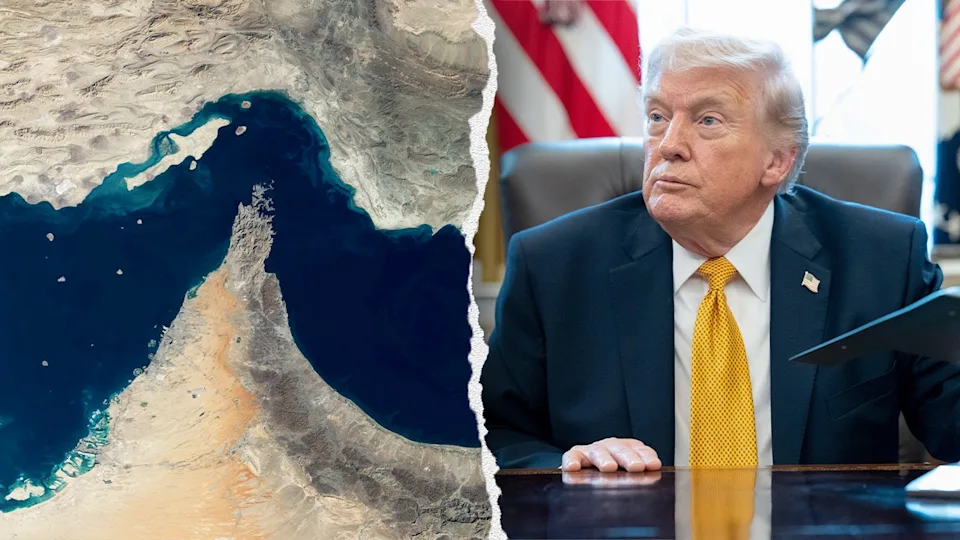


US President Donald Trump’s initial 48-hour ultimatum to Iran to reopen the strategically vital Strait of Hormuz eventually extended to nearly 408 hours, highlighting a pattern of shifting deadlines, rising rhetoric, and uncertain diplomatic progress.
Ultimatum and Initial Warning
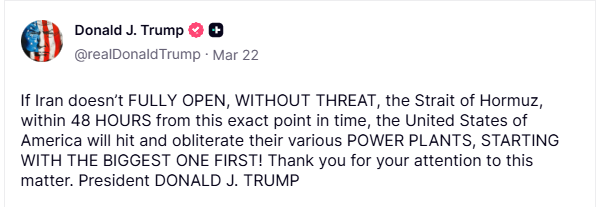
The timeline began on March 22, when Trump issued a stern warning to Tehran, demanding the immediate reopening of the Strait of Hormuz. He cautioned that failure to comply within 48 hours would result in US military strikes targeting critical infrastructure, including power plants.
Deadline Extensions and Diplomatic Signals
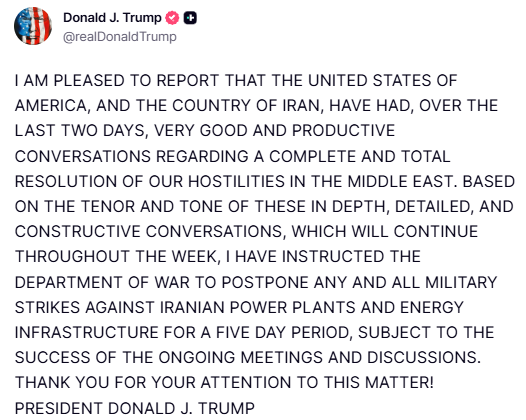
As the original deadline approached, the US administration opted to delay action, citing ongoing negotiations. Trump announced a temporary pause of five days on potential military strikes, indicating that diplomatic talks were showing signs of progress.
However, this marked the beginning of a series of extensions. Over the following days, deadlines were repeatedly revised, even as warnings grew more intense. On March 26, Trump extended the deadline further to early April, expressing cautious optimism about negotiations while urging Iran to act swiftly.
Escalating Rhetoric and Expanded Threats
Alongside deadline extensions, Trump’s rhetoric became increasingly aggressive. He broadened the list of potential targets to include oil facilities, energy infrastructure, and key strategic locations.
In subsequent statements, he warned of severe consequences, stating that failure to comply could lead to large-scale destruction of Iran’s critical infrastructure.
Final Deadline and Continued Uncertainty
As the revised deadline neared, Trump once again intensified his stance, referring to an impending decisive moment. He eventually set a new final timeline, signalling potential military action if Iran did not meet US demands.
Despite these warnings, the repeated extensions—from the initial 48 hours to nearly 408 hours—underscore the complexity of the situation, where diplomacy, strategy, and geopolitical risks continue to intersect.
Conclusion
The prolonged ultimatum reflects both the volatility of the ongoing crisis and the challenges of balancing military pressure with diplomatic negotiations. With no clear resolution in sight, the situation around the Strait of Hormuz remains a critical flashpoint with global implications.