

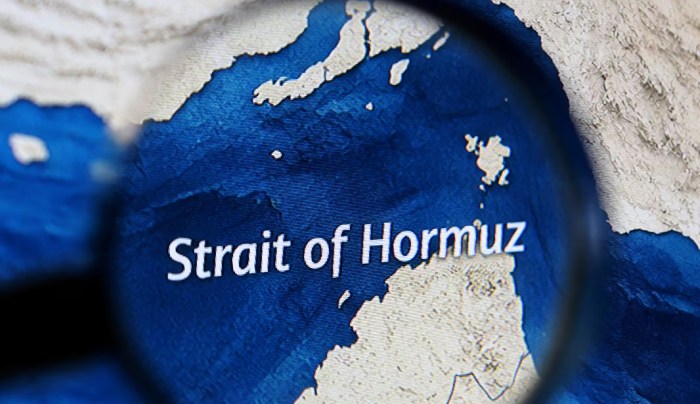


ABU DHABI / NEW YORK — In a major strategic shift, the United Arab Emirates (UAE) is reportedly preparing to join the ongoing US-Iran conflict directly. According to a media report released late Tuesday, March 31, 2026, the Gulf nation is exploring military options to help a US-led coalition reopen the Strait of Hormuz by force.
1. A Push for Global Authorization
Emirati diplomats are currently lobbying for a United Nations Security Council (UNSC) resolution that would provide a legal mandate for military action to secure the strait.
- The Goal: The UAE believes that a UN-backed mission would encourage hesitant European and Asian powers to join a “Hormuz Security Force.”
- The Obstacle: Despite backing from the US and Bahrain, the resolution faces a likely veto from Russia and China.
- The Commitment: Gulf officials indicated that even if the resolution fails, the UAE is prepared to offer military support, including mine-clearing operations and logistical aid.
2. Trump’s Ultimatum: “Go Get Your Own Oil”
The UAE’s pivot follows a series of blunt statements from President Donald Trump on Tuesday.
- The Message: Frustrated by rising domestic gas prices (surpassing $4.00 a gallon) and a lack of direct military support from Europe, Trump told allies to “go get your own oil” and argued that securing the strait is the responsibility of the countries that rely on it.
- Winding Down: Trump also signaled he intends to conclude major US offensive operations within two to three weeks, potentially leaving the blockade of the strait as a problem for regional players to solve.
3. Proposed Tactics: Seizing Strategic Islands
The UAE has reportedly suggested that the US and its allies take control of several strategic islands in the strait, most notably Abu Musa.
- Historical Context: While claimed by the UAE, Abu Musa has been under Iranian control for nearly 50 years.
- Tactical Value: Seizing these islands would provide a vantage point to monitor and neutralize Iranian drone and missile sites that currently threaten commercial tankers.
4. Expert Warning: “Dubai and Abu Dhabi Could Be Blown Up”
The prospect of direct involvement has sparked intense debate over the safety of the UAE’s global hubs. Renowned economist Jeffrey Sachs issued a stark warning, noting that Dubai and Abu Dhabi are highly vulnerable.
“Basically, Dubai and Abu Dhabi could be blown up if the UAE gets into the war. These are resort areas… not fortified missile defense areas,” Sachs told ANI. He argued that entering a war zone undermines the very purpose of cities built on tourism and international finance.
5. UAE’s Capabilities
Despite its small size, the UAE maintains one of the most capable militaries in the region:
- Air Power: A fleet of US-supplied F-16s with experience in coalition strikes.
- Infrastructure: The deep-water port at Jebel Ali and multiple airbases are critical staging points for any mission in the Persian Gulf.
- Surveillance: Extensive use of advanced drones for monitoring maritime traffic.
Strategic Outlook: The Hormuz Crisis (April 1, 2026)
| Feature | Status / Detail |
| Waterway Status | Effectively closed to “hostile” vessels by Iran |
| UAE Stance | Seeking UNSC mandate for forceful reopening |
| US Position | Pressuring allies to lead; aiming to exit in 2-3 weeks |
| Key Risks | Retaliatory strikes on UAE civilian and energy infrastructure |