

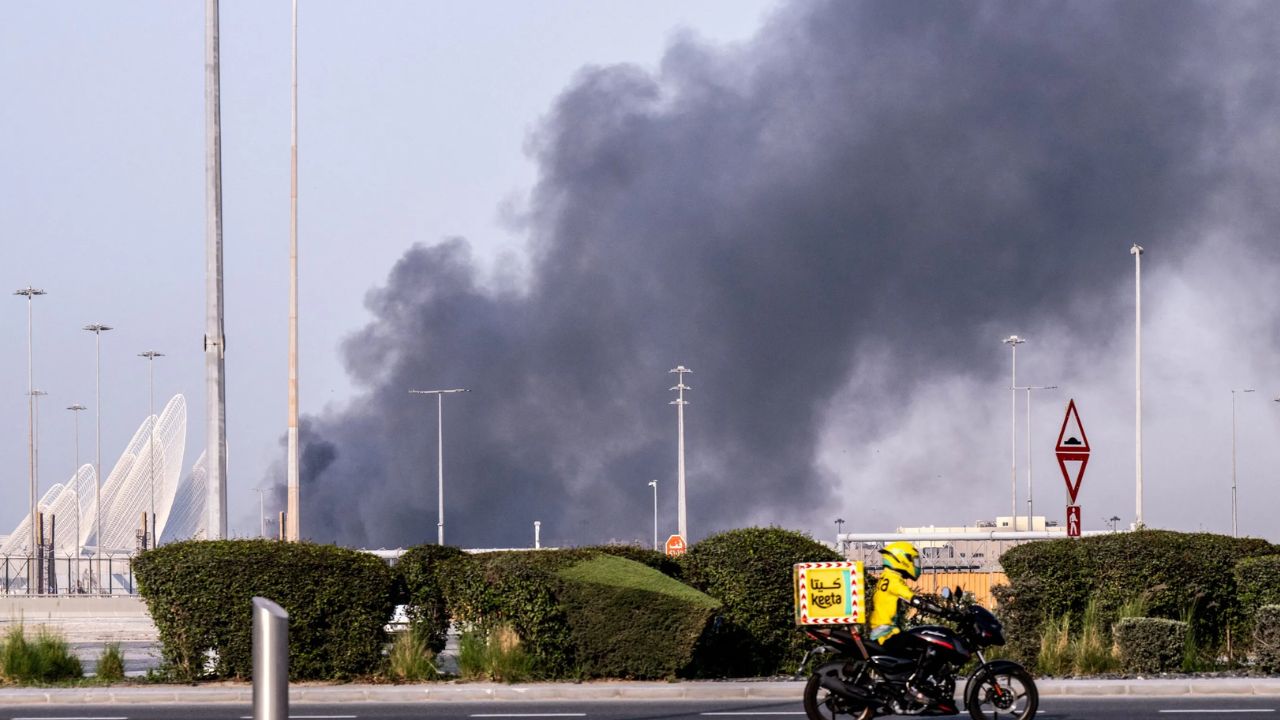


Travel disruption and investor anxiety drag Dubai and Abu Dhabi indices lower
March 31, 2026: Financial markets in the United Arab Emirates have taken a significant hit following the outbreak of the United States–Israel war with Iran, with nearly $120 billion wiped off combined market capitalisation in Dubai and Abu Dhabi. Benchmark indices have dropped sharply, as investor sentiment weakens amid rising geopolitical tensions, uncertainty in energy markets, and disruptions to global travel. Dubai’s index has fallen around 16%, while Abu Dhabi’s has declined nearly 9%, erasing billions in market value.
The downturn reflects broader regional unease, though some Gulf markets have shown resilience. While Qatar and Bahrain also recorded losses, Saudi Arabia and Oman managed gains during the same period. Globally, the S&P 500 has slipped about 7%, reflecting cautious sentiment driven by mixed signals from Donald Trump over the conflict’s trajectory.
Beyond equities, the crisis has hit the UAE’s crucial aviation and tourism sectors. Flight cancellations have surged, particularly through Dubai International Airport, impacting its status as a global travel hub. With tourism contributing nearly $70 billion—around 13% of GDP—the disruption has raised concerns about economic stability. Despite the current slide, the UAE continues to position itself as a leading global financial centre, with long-term ambitions to rank among the world’s top four by 2033.