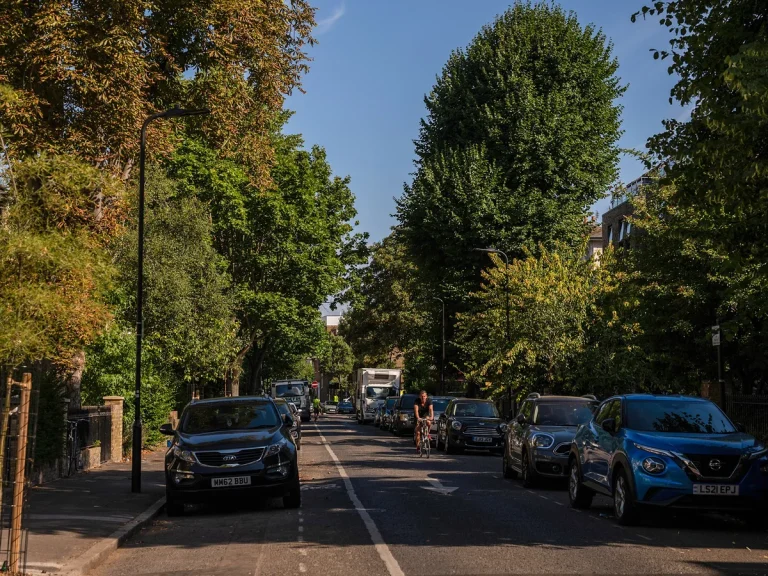
As cities around the world face rising temperatures and more frequent heatwaves, urban greening has become a key strategy for keeping outdoor spaces cooler. However, new research suggests that simply planting more trees may not always be the best solution.
The study found that the design and structure of vegetation can have a major impact on how comfortable people feel outdoors. In many cases, combining trees with shrubs and ground cover provided better cooling than trees alone.
Researchers compared conditions in three cities with very different climates: Melbourne in Australia, Munich in Germany, and Hong Kong. Their findings show that local climate, street design, and airflow play a critical role in determining whether urban greening succeeds.
Why Cities Are Getting Hotter
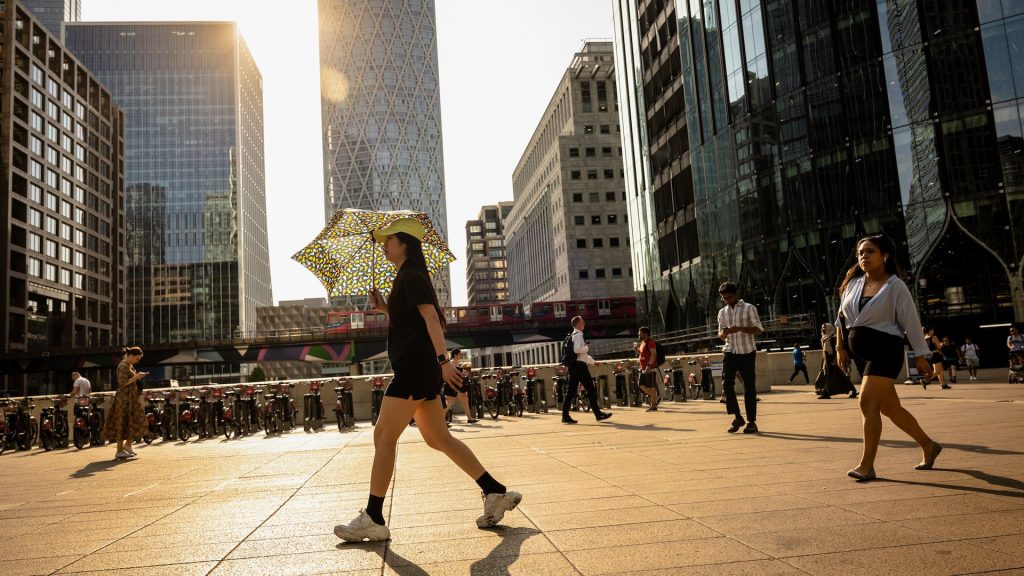
Urban areas tend to trap heat more than rural regions. Buildings, roads, and paved surfaces absorb solar energy during the day and release it slowly after sunset.
This phenomenon, known as the urban heat island effect, raises temperatures in cities, especially during the night. As climate change continues to drive global temperatures higher, urban residents face increasing risks from extreme heat.
For years, cities have relied on tree planting programs to address this challenge. Trees provide shade and reduce the amount of heat absorbed by nearby surfaces. As a result, they are often viewed as one of the most effective tools for urban cooling.
However, researchers say human comfort depends on more than air temperature alone.
Heat Is About More Than Temperature
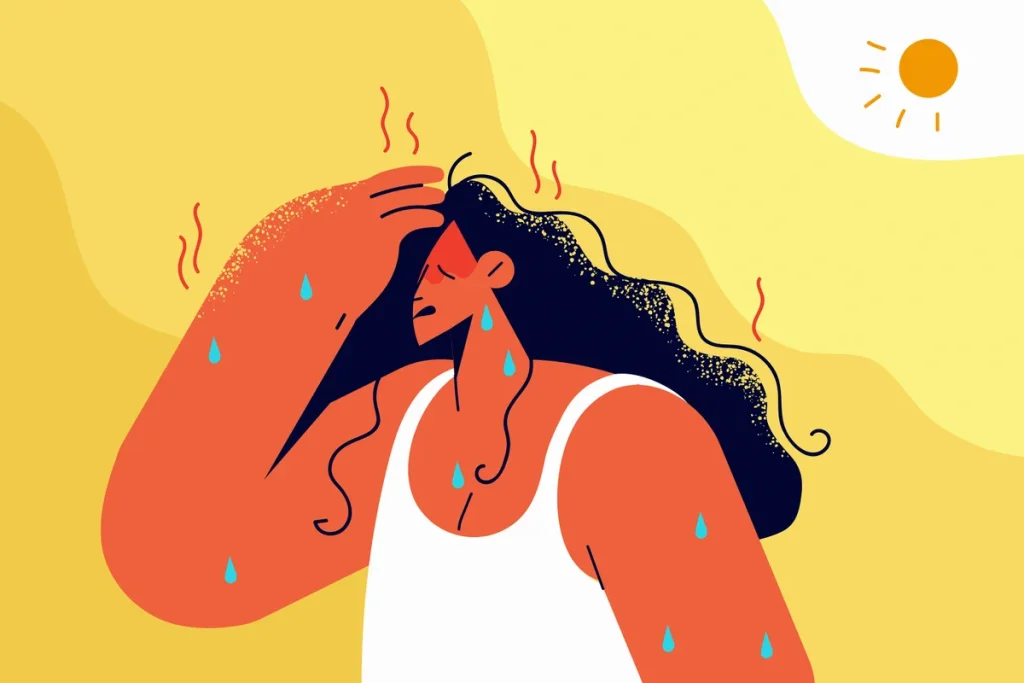
People experience heat through several factors, including direct sunlight, reflected heat from buildings and roads, humidity levels, and airflow.
Because of this, a shaded area does not always feel cool. If humidity is high or wind circulation is poor, outdoor spaces can remain uncomfortable even when temperatures are lower.
The research highlights why a single greening strategy cannot work everywhere. What delivers excellent results in one city may perform very differently in another.
Study Examined Three Different Cities
To better understand how vegetation affects heat stress, researchers conducted field measurements during summer in Melbourne, Munich, and Hong Kong.
Instead of relying only on computer simulations, the team measured real-world conditions in streets, parks, and public spaces.
The study compared three types of environments:
- Open urban areas with little or no vegetation
- Spaces with trees only
- Areas featuring layered vegetation, including trees, shrubs, and ground cover
Researchers also measured mean radiant temperature, which reflects the heat emitted from roads, walls, and other surfaces that directly affect how hot people feel.
Melbourne Showed Strong Benefits From Street Trees
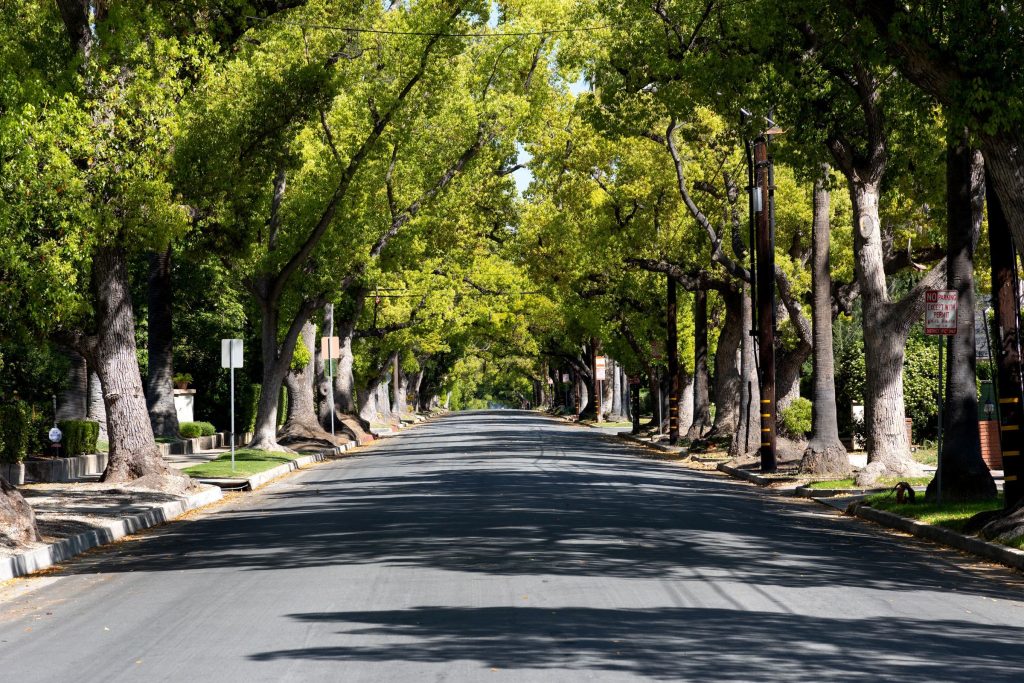
In Melbourne, street trees significantly reduced the amount of radiant heat experienced by pedestrians.
Researchers found that shaded streets lowered radiant heat exposure by more than 18 degrees Celsius compared with open streets.
Although air temperatures changed only slightly, people felt noticeably cooler under tree cover because of the reduced exposure to heat from surrounding surfaces.
Munich Benefited Most From Layered Vegetation
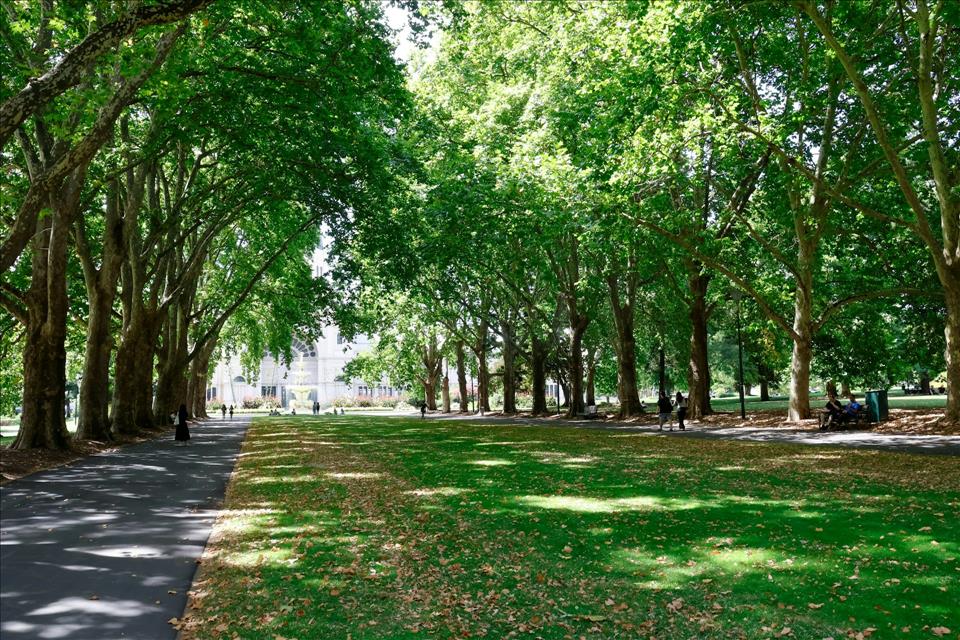
Munich recorded some of the strongest cooling results in the study.
Areas that combined trees, shrubs, and ground cover reduced afternoon heat stress by nearly 8 degrees Celsius compared with more open spaces.
The layered vegetation created additional shade while also helping regulate temperatures around pedestrian areas.
Researchers noted that this approach delivered stronger cooling benefits than tree planting alone in many locations.
Hong Kong Revealed the Challenges of Humid Climates
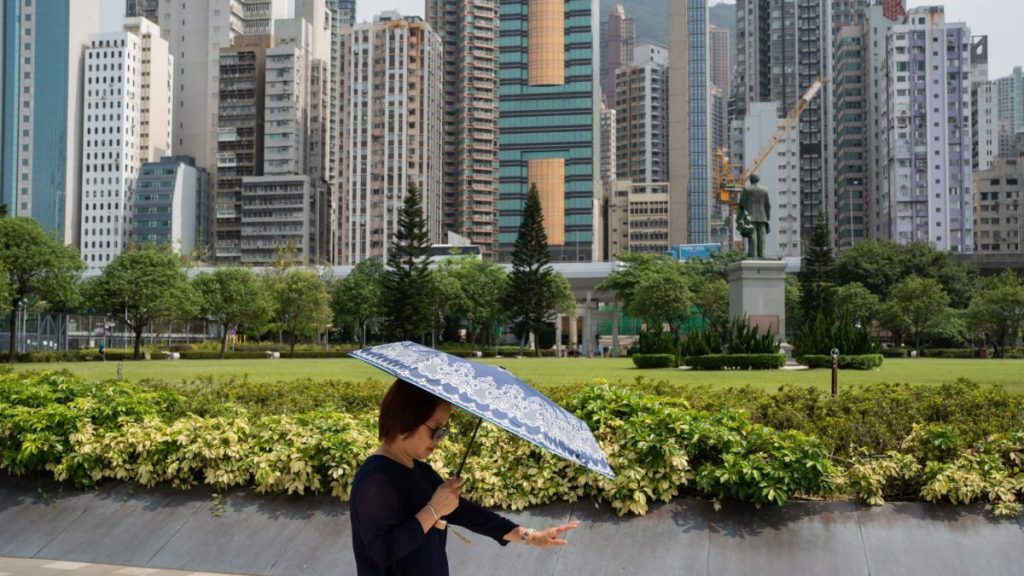
The results from Hong Kong were more complex.
Vegetation still provided important cooling benefits, particularly through shade from dense tree canopies. However, the city’s humid subtropical climate changed how people experienced those cooler conditions.
In some areas, dense vegetation increased humidity levels. While plants release water vapor through transpiration, this process can create challenges in already humid environments.
Higher humidity makes it harder for sweat to evaporate, which reduces the body’s natural cooling ability. As a result, some green spaces felt less comfortable despite lower temperatures.
When More Greenery Can Create Problems
One of the most important findings from the study is that more vegetation does not always lead to better results.
In certain narrow streets in Munich, dense planting reduced airflow. This trapped warm air and limited ventilation, making the environment less comfortable for pedestrians.
Poor airflow can also prevent pollutants from dispersing efficiently, potentially affecting air quality.
These findings demonstrate that cities should avoid adopting generic tree canopy targets without considering local environmental conditions.
Smarter Design Is the Key
Researchers emphasize that the solution is not planting fewer trees. Instead, cities should focus on smarter and more climate-sensitive planting designs.
In parks and larger open spaces, layered vegetation can deliver strong cooling effects while supporting biodiversity.
Meanwhile, in dense urban streets, planners may need to carefully balance shade and airflow to avoid creating uncomfortable conditions.
The study also suggests that success should not be measured simply by the number of trees planted. The type, arrangement, and density of vegetation are equally important.
Designing Cities for Local Conditions
The research highlights the need for tailored solutions rather than universal greening strategies.
Melbourne demonstrated how street trees can dramatically reduce radiant heat. Munich showed the value of combining trees with shrubs and ground cover. Hong Kong revealed that dense vegetation may have unintended consequences in humid environments.
As cities continue investing billions in climate adaptation, planners may need to focus not only on how much greenery they add but also on where and how they plant it.
Well-designed green spaces can help reduce heat stress, improve public comfort, and make cities more resilient in a warming world.