



Iran’s proposed shipping taxes and rising US-China tensions signal a widening geopolitical conflict
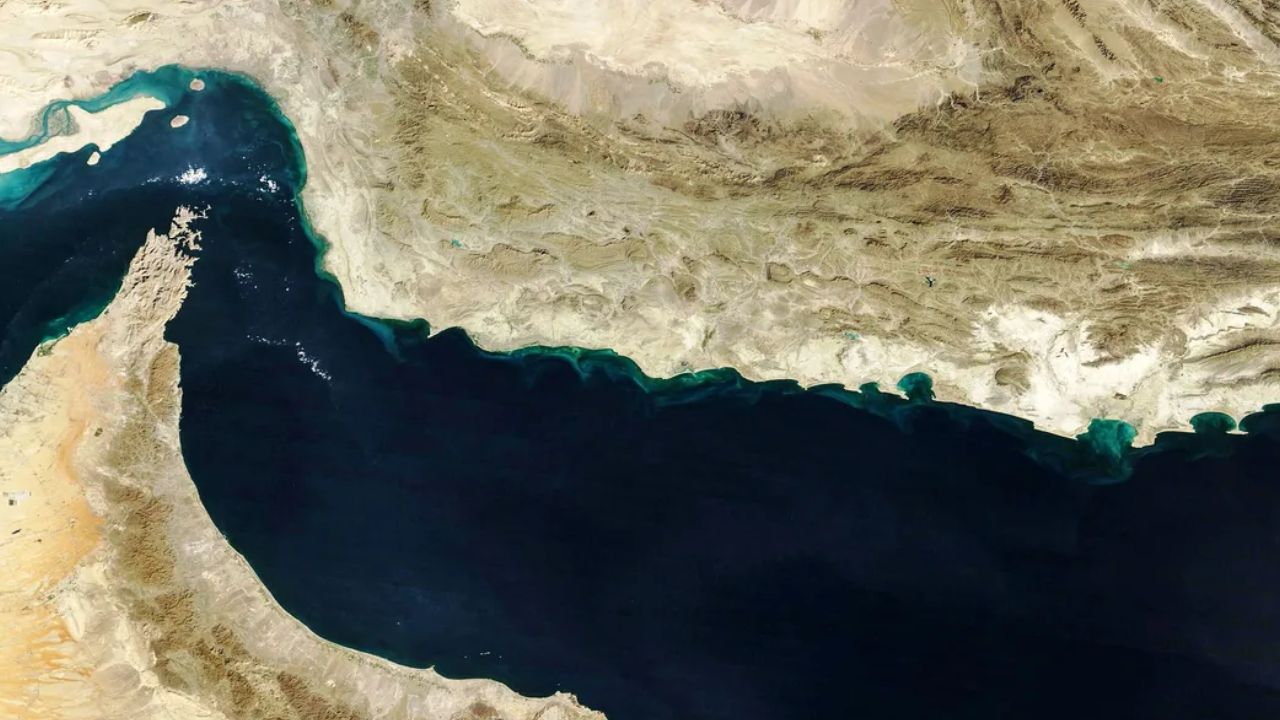
April 1, 2026: The ongoing conflict in the Middle East is expanding beyond direct military confrontation, with Iran moving to impose taxes on ships passing through the Strait of Hormuz. The proposal is undergoing a multi-layer legislative process involving Iran’s security council, parliament, guardian council, and final presidential approval. Reports indicate that temporary restrictions are already in place, with Islamic Revolutionary Guard Corps (IRGC) personnel collecting tolls from vessels, particularly those carrying oil and gas.
This move is expected to boost Iran’s economic leverage while limiting access for the United States and its allies. Meanwhile, the United Arab Emirates is signalling possible military steps to ensure free navigation in the strait, raising fears of a new front opening in the conflict. The strategic importance of the waterway, through which a significant portion of global energy supplies passes, has made the situation increasingly volatile.
At the same time, tensions between the United States and China are intensifying, adding a global dimension to the crisis. Washington has accused Beijing of influencing Japan against US interests, while China has responded by restricting rare earth exports. The dispute is closely linked to Taiwan, where rising US-Japan coordination has heightened Chinese concerns. The evolving situation now reflects a broader geopolitical struggle involving economic pressure, military positioning, and strategic rivalry.