
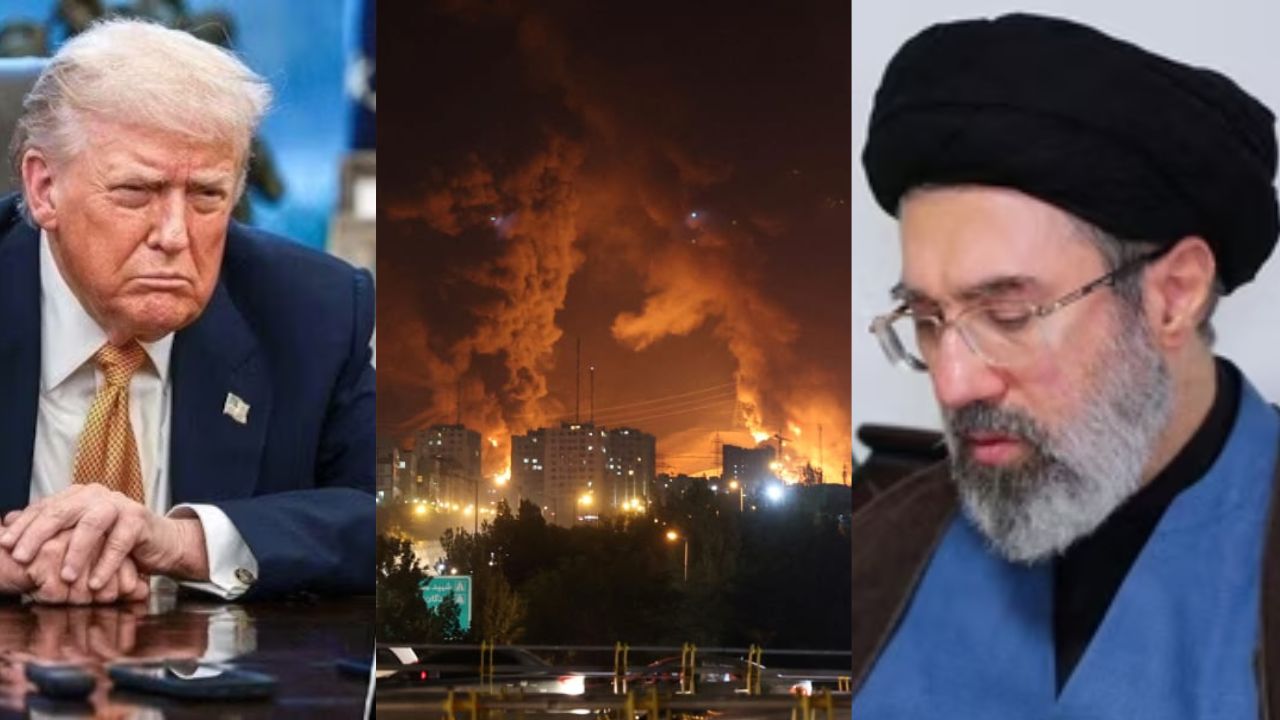


Breakdown of back-channel negotiations raises fears of wider attacks on critical infrastructure
April 3, 2026: Tensions in the Middle East have escalated sharply after reported back-channel talks between the United States and Iran collapsed. Israeli media reports suggest that Israel has been formally informed of the halt in diplomatic efforts, marking a critical turning point in the ongoing conflict. Following this, US President Donald Trump confirmed that military operations would continue, raising concerns over renewed strikes on civilian infrastructure across the region.
The breakdown comes after weeks of speculation around a possible ceasefire. While negotiations were underway, Iran had indicated a restrained response to US and Israeli actions, but recent developments suggest a shift toward a more aggressive stance. Analysts warn that key infrastructure—including bridges, power plants, and energy facilities—in Iran, Gulf nations, and Israel could now face heightened risks. Reports indicate that Iran has identified strategic targets across countries such as the UAE, Bahrain, Kuwait, and Saudi Arabia.
Regional and global powers are closely watching the situation. Saudi Arabia has expressed concern over the unpredictability of US actions, while Russia and China are actively monitoring developments. Experts caution that the collapse of talks increases the likelihood of retaliatory strikes and prolonged instability, with potential repercussions for global markets and energy security as the conflict deepens.