


In a move that angered the Opposition, the government announced it will re-introduce a new, clearer version of the Bill on Monday, incorporating key revisions to help taxpayers and reduce legal confusion.
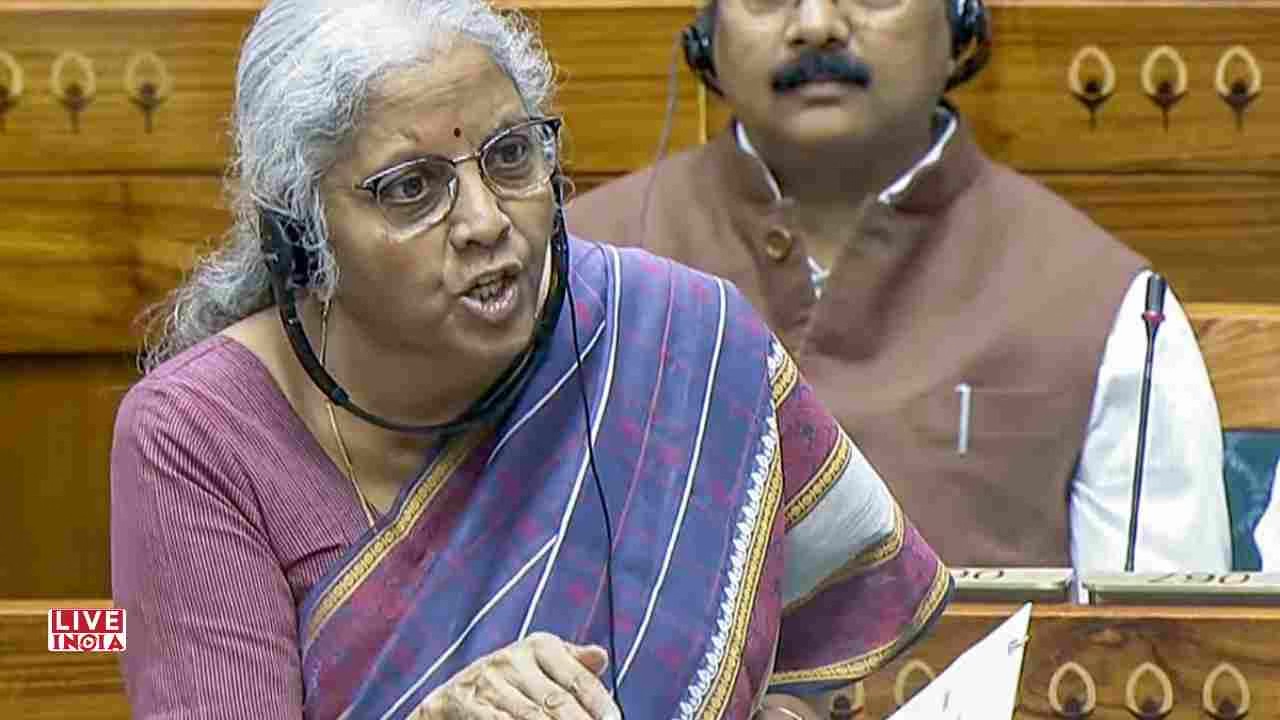
New Delhi, India – August 8, 2025: In a classic piece of parliamentary theater on Friday, Finance Minister Nirmala Sitharaman pulled the Income-Tax Bill, 2025, from the floor of the Lok Sabha, a decision that was met with heated resistance from Opposition members. While the House ultimately voted to remove the bill, the government’s plan is not to abandon it, but to reintroduce a new, improved version on Monday, August 11.
The move, according to government insiders, is a tactical effort to avoid confusion and streamline the legislative process. The original bill was being debated after a 31-member Select Committee, led by BJP MP Baijayant Panda, submitted a massive 4,584-page report with a staggering 566 comments and recommendations for change. To prevent lawmakers from having to navigate multiple versions and amendments, the new bill will be presented as a single, clear document that incorporates the committee’s suggestions from the start.
The committee’s work, which was delivered to the Lok Sabha on the first day of the Monsoon session, is a monumental effort aimed at a core promise of the government: to make the Income Tax Act of 1961 “shorter and clearer” and significantly cut down on arguments and lawsuits.
For ordinary taxpayers, the panel’s suggestions contain some truly meaningful changes. The committee has considered a crucial modification to a rule that currently prevents people from getting refunds if they file their income tax forms after the deadline—a move that could offer a big relief to millions.
Beyond that, the panel’s report tackled some of the trickiest parts of the bill, suggesting that the definitions for micro and small businesses be aligned with the MSME Act, and calling for greater clarity on phrases like “income” and “receipts.” They also requested corrections on issues related to anonymous donations and “deemed applications” for non-profit organizations to prevent legal headaches down the road.
As the government prepares to present its updated bill on Monday, the focus is now on whether the Opposition’s anger will subside and if the new version will finally find the path to becoming law.