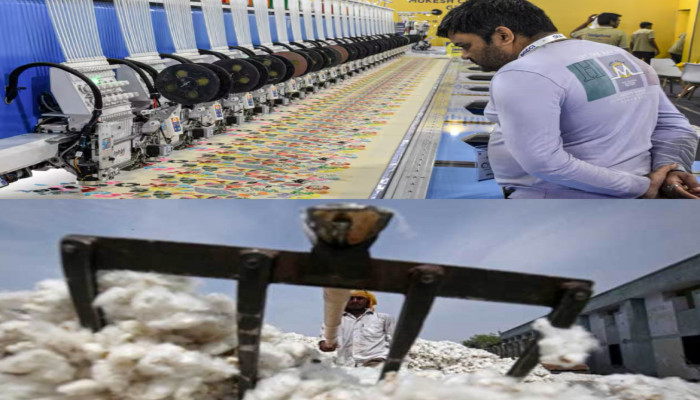
In a significant move aimed at supporting India’s textile and apparel sector, the Central government has announced a temporary exemption on customs duty and Agriculture Infrastructure and Development Cess (AIDC) on cotton imports. The exemption will remain in effect from June 1 to October 31, 2026, and is expected to improve cotton availability, reduce production costs, and enhance the competitiveness of Indian textile manufacturers in global markets.
Duty Exemption Aimed at Boosting Cotton Supply
The Ministry of Finance issued a notification exempting cotton imports under tariff heading 5201 from both customs duty and AIDC for a period of five months. The decision comes at a time when domestic cotton prices have been rising due to lower production estimates and global market pressures.
Government officials stated that the temporary measure is designed to ensure adequate cotton supply for the textile industry while maintaining a balance between the interests of manufacturers and domestic cotton growers. By allowing duty-free imports during a traditionally lean trading season, policymakers hope to ease supply constraints without significantly impacting farmers.
Relief for Textile and Apparel Manufacturers
The textile industry has long been seeking a reduction in cotton import duties, arguing that higher raw material costs have weakened India’s competitiveness in international markets. Industry leaders believe the duty waiver will provide much-needed relief to manufacturers, especially small and medium enterprises that have been struggling with rising input costs.
The move is expected to lower production expenses for textile and apparel companies, helping them fulfil export commitments more effectively and compete with major Asian textile-producing nations that already enjoy duty-free access to cotton.
Industry Welcomes the Decision
Textile industry associations have largely welcomed the government’s decision. According to industry representatives, the previous 11 per cent import duty on cotton had become a major obstacle for exporters trying to remain competitive in a volatile global environment.
The temporary exemption is expected to help Indian exporters take better advantage of opportunities arising from recently signed Free Trade Agreements (FTAs). Industry leaders believe easier access to imported cotton will strengthen production capacity and support export growth during the coming months.
Growing Concerns Over Rising Cotton Prices
The demand for duty-free imports gained momentum after domestic cotton prices surged due to lower crop output and geopolitical tensions affecting global commodity markets. Industry associations had repeatedly urged the government to intervene, warning that rising raw material costs were eroding profit margins and threatening jobs across the textile value chain.
Political leaders from major textile-producing states also voiced concerns, highlighting the need to protect employment and maintain the competitiveness of one of India’s largest manufacturing sectors.
Why the Government Chose a Limited-Time Window
Government and industry sources indicated that several ministries, including the agriculture ministry, concluded that a temporary duty exemption would have a limited impact on farmers because the June-to-October period is generally considered a lean season for cotton trading.
Officials also noted that maintaining duties on cotton while synthetic fibre raw materials enjoy exemptions could encourage manufacturers to shift towards blended fabrics. The duty waiver is therefore seen as a step toward creating a more balanced raw material environment for the textile sector.
Concerns Raised by Farmers and Traders
Despite support from manufacturers, some sections of the cotton trade have expressed reservations about the decision. Critics argue that exporters already have access to duty-free cotton imports through the Advance License Scheme and therefore may not require additional concessions.
There are also concerns that increased imports could result in significant foreign exchange outflows and put downward pressure on domestic cotton prices. Farmer groups fear that lower prices could affect growers who are holding cotton stocks in anticipation of better returns ahead of the kharif sowing season.
Potential Impact on Farmers and Cotton Stocks
Traders warn that duty-free imports could hurt domestic producers if imported cotton satisfies a large portion of industry demand. Farmers currently holding unsold stocks may face lower market prices, reducing their earnings.
The Cotton Corporation of India (CCI), which reportedly holds millions of bales purchased under Minimum Support Price (MSP) operations, could also face losses if market prices decline and inventories need to be sold at lower rates.
Cotton Production Expected to Decline
Another factor influencing the government’s decision is the expectation of a smaller cotton crop in the current season. Industry estimates suggest that cotton production for the 2025-26 crop year could decline to around 29.09 million bales, compared to 29.74 million bales in the previous year.
Lower production forecasts, combined with rising international cotton prices, have contributed to a sharp increase in domestic prices over recent months, prompting calls for policy intervention.
Conclusion
The government’s decision to temporarily remove cotton import duties reflects an effort to balance the needs of India’s textile industry with the interests of cotton farmers. While manufacturers view the move as essential for controlling costs and improving export competitiveness, concerns remain about its potential impact on domestic growers and market prices. The effectiveness of the measure will likely become clearer as the textile sector responds to improved cotton availability during the coming months.