
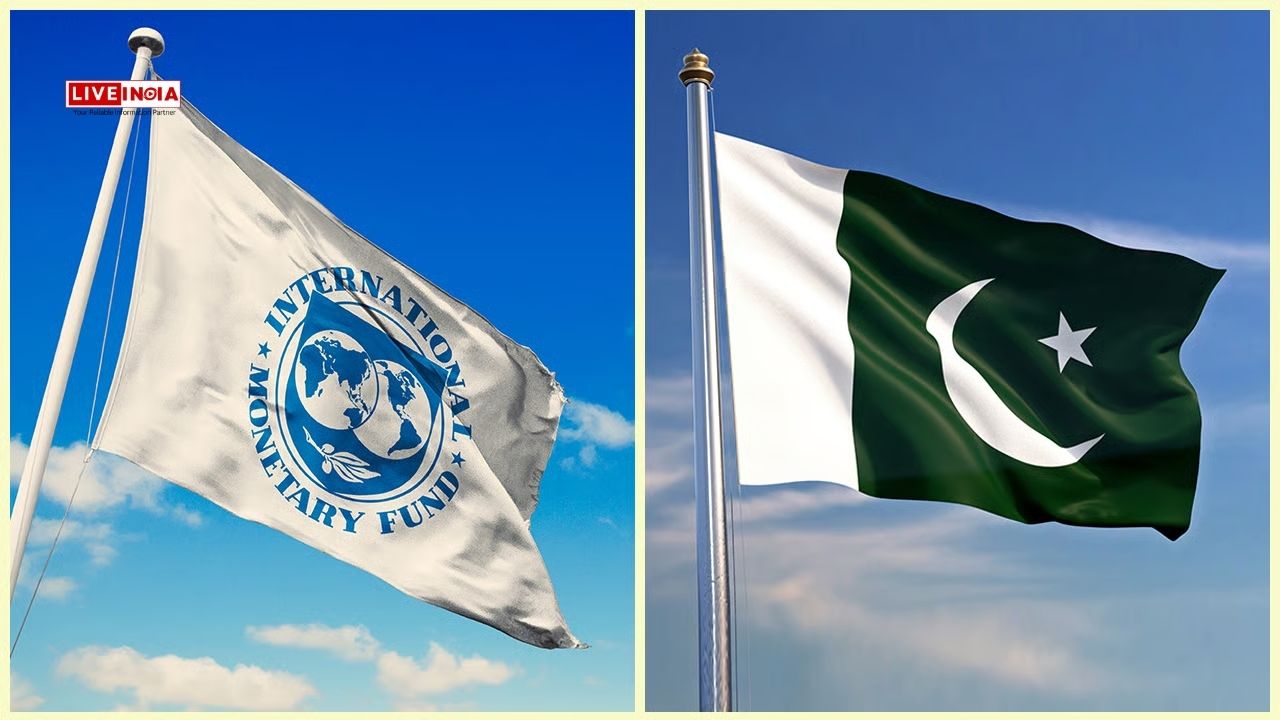


The IMF’s staff report warns that rising India-Pakistan tensions could derail Pakistan’s fragile economic recovery as it imposes stricter fiscal, governance, and energy reforms.
Islamabad | May 18, 2025
The International Monetary Fund (IMF) has issued a stark warning to Pakistan, highlighting the risks posed by escalating tensions with India following Operation Sindoor, and imposed 11 new conditions for the release of the next tranche of its bailout package.
The IMF’s Staff Level report, released on Saturday, stated that “rising tensions between India and Pakistan, if sustained or deteriorated further, could heighten risks to the fiscal, external, and reform goals of the programme.” The conditions come just days after a four-day military escalation between the two nations, triggered by the April 22 Pahalgam terror attack that killed 26 people.
India responded with precision strikes on May 7, targeting terror camps in Pakistan and Pakistan-occupied Kashmir. A ceasefire agreement was reached on May 10, but the IMF has now signaled concern about the long-term impact of such confrontations.
The 11 New IMF Conditions
The total number of conditions attached to Pakistan’s IMF program now stands at 50. Key new requirements include:
Also Read: No Breakthrough Yet In Hunt For Pahalgam Terrorists Nearly A Month After Attack
- Parliamentary Approval of Rs 17.6 Trillion FY26 Budget
Including Rs 1.07 trillion in development spending, to be passed by end-June 2025. - Higher Defence Spending Scrutinized
The reported defence budget of Rs 2.5 trillion, up 18% from projections, is under observation. - Agriculture Income Tax Reform by Provinces
Provinces must operationalize a compliance platform and registration system by June 2025. - Governance Action Plan Publication
Based on IMF’s Governance Diagnostic Assessment, to address systemic vulnerabilities. - Post-2027 Financial Sector Strategy
A roadmap for institutional and regulatory reforms from 2028 onward. - Annual Electricity Tariff Rebasing by July 1, 2025
To ensure power prices reflect cost recovery. - Gas Tariff Adjustment Notification by February 15, 2026
Aimed at stabilizing energy prices in the long term. - Permanent Captive Power Levy Law
Industries will be nudged back to the national grid through costlier alternatives. - Remove Rs 3.21/unit Cap on Debt Surcharge
Targeted for removal by June 2025 to fix circular debt. - Phase-Out Plan for Tax Incentives in SEZs and Tech Zones
Full report to be submitted by year-end, with implementation by 2035. - Relax Import Restrictions on Used Vehicles
Allow imports of used cars up to five years old by July 2025 (currently capped at three years).
Geopolitical Concerns Highlighted
The IMF noted that while stock markets remained stable during the conflict, the underlying risks to fiscal stability and reforms remain elevated. Pakistan’s increased defence outlay and poor energy sector governance were flagged as major concerns contributing to circular debt and budgetary strain.
Conclusion
The IMF’s latest demands underscore growing international scrutiny of Pakistan’s economic management, especially amidst geopolitical volatility. As Pakistan seeks to secure its next tranche of bailout funding, compliance with these stringent reforms will be crucial.
Tags:
IMF bailout Pakistan, Operation Sindoor, India-Pakistan conflict, IMF conditions Pakistan 2025, Pakistan fiscal policy, circular debt, energy reforms, used car import policy, SEZ tax reform