


Restrictions on garments, food, and plastic goods come as tit-for-tat response to Dhaka’s trade barriers and growing alignment with China
May 19, 2025: India’s recent trade restrictions on Bangladesh are poised to impact $770 million worth of imports, affecting 42% of the total bilateral trade, according to a report by the Global Trade Research Initiative (GTRI). The move follows escalating trade tensions and is seen as a calibrated response to Dhaka’s recent curbs on Indian goods and its increasing strategic tilt towards China.
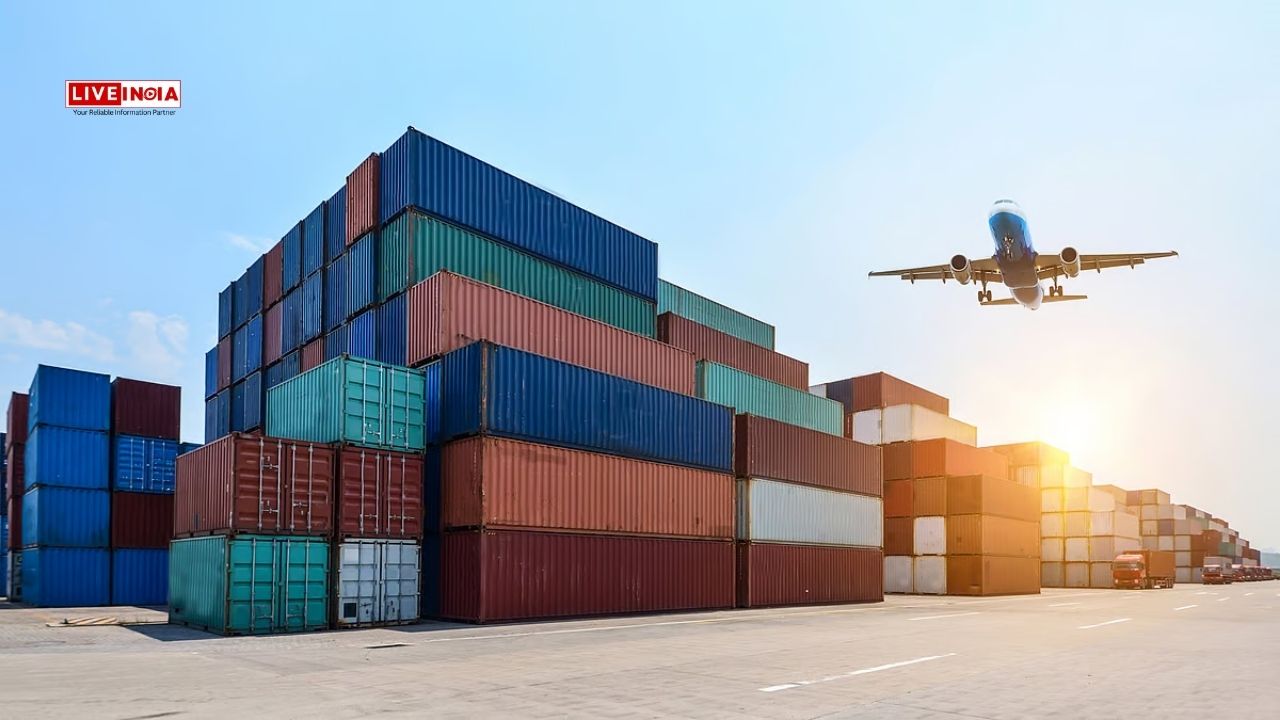
The Ministry of Commerce and Industry, in a May 17 notification, announced that several Bangladeshi imports—such as readymade garments, processed food, and plastic products—can now only enter India via select sea ports, notably Kolkata and Nhava Sheva, effectively banning land route entries for these items.
Garments Face Major Blow
The readymade garment sector, which accounts for $618 million of Bangladesh’s annual exports to India, is among the worst hit. Restricting entry to seaports significantly limits Bangladesh’s access to India’s northeastern markets, previously accessed through land ports.
India Retaliates After Dhaka’s Trade Moves
The restrictions appear to be retaliatory, following Dhaka’s April 2025 trade barriers that included:
- Banning Indian yarn imports via five major land ports.
- Stricter controls on Indian rice, tobacco, fish, and milk powder.
- Imposition of a 1.8 taka per tonne per kilometre transit fee on Indian cargo.
These measures triggered disruptions and delays for Indian exporters, prompting calls for a stronger trade stance from New Delhi.
Also Read: Moody’s Downgrade Sparks Alarm Over U.S. Debt Surge Amid “Big Beautiful Bill” Uncertainty
Geopolitical Undertones
The timing of the move is significant. In April, India also revoked Bangladesh’s access to its transshipment facility for exports to Europe and the Middle East, limiting it only to Nepal and Bhutan. This decision reversed a key logistical advantage that Bangladesh had enjoyed since 2020.
Adding to the strain were remarks by Bangladesh’s interim head of government Muhammad Yunus during a visit to China. His claims that India’s northeastern states rely on Bangladesh for sea access, and calling Dhaka the “only guardian” of the Indian Ocean, were seen as provocative in New Delhi. Yunus also offered China access to Bangladeshi trade routes, further deepening India’s concerns over Dhaka’s shifting allegiances.
The GTRI report concluded that India’s restrictions are “not arbitrary” but rather a strategic and reciprocal trade recalibration aimed at safeguarding national interests amid changing regional dynamics.
Tags:
India Bangladesh trade, India import ban, GTRI report, Bangladesh garment exports, India DGFT notification, Indo-Bangla tensions, trade war, Muhammad Yunus China visit, Indian Ocean strategy, India-Bangladesh bilateral trade