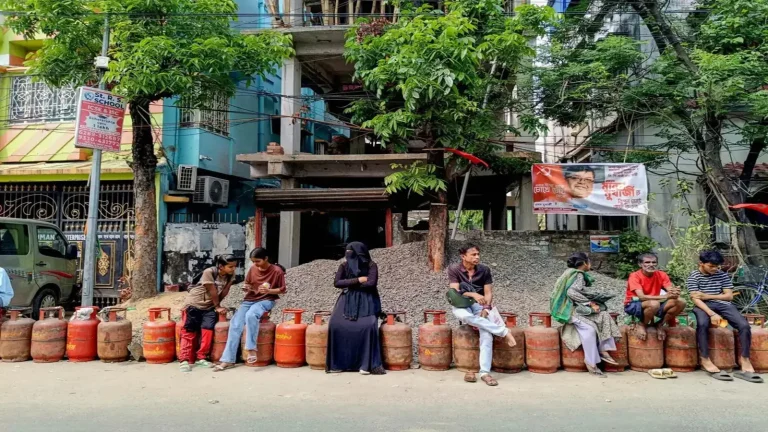
New Delhi: Households across India will have to pay more for cooking gas after the price of domestic LPG cylinders was increased by Rs 29 on Sunday. The latest revision marks the second hike in domestic LPG prices in the last three months and comes against the backdrop of rising global energy costs triggered by the ongoing conflict in the Middle East.
The increase affects the standard 14.2-kg domestic LPG cylinder and takes prices closer to the Rs 1,000 mark in several cities.
The government said the revision was necessary as oil marketing companies continue to face mounting pressure from rising import and supply costs, while global fuel markets remain volatile.
New Domestic LPG Prices Across Major Cities
Following the latest revision, consumers will pay the following prices for a 14.2-kg domestic LPG cylinder:
- Delhi: Rs 942 (up from Rs 913)
- Mumbai: Rs 941.40 (up from Rs 912.50)
- Kolkata: Rs 968 (up from Rs 939)
- Chennai: Rs 957.50 (up from Rs 928.50)
- Patna: Rs 1,031.50 (up from Rs 1,002.50)
- Hyderabad: Rs 996 (up from Rs 967)
- Lucknow: Rs 980 (up from Rs 951)
- Jaipur: Rs 945.50 (up from Rs 916.50)
- Bengaluru: Rs 944.50 (up from Rs 915.50)
Among the major cities, Patna continues to record the highest LPG price, with the cost of a cylinder now exceeding Rs 1,030.
Second LPG Price Hike Since March
The latest increase follows a Rs 60 hike announced on March 7. That revision was introduced to partially offset losses incurred by state-run oil marketing companies, which have been selling domestic LPG below the actual cost of supply.
Despite the two consecutive hikes, the government maintains that domestic LPG prices remain significantly subsidised when compared with the actual cost of delivering cylinders to households.
According to the Petroleum Ministry, the current cost of supplying a 14.2-kg LPG cylinder has risen to approximately Rs 1,600-1,700 due to higher international fuel prices and logistics expenses.
Government Highlights Subsidy Support
In a statement, the Petroleum Ministry said India continues to provide cooking gas at rates lower than many neighbouring countries and substantially below prices in developed nations such as the United States, Canada and Australia.
The ministry also highlighted the government’s continued support through the Pradhan Mantri Ujjwala Yojana (PMUY), which provides subsidised LPG connections to economically weaker households.
According to official data, more than 10.35 crore beneficiaries are currently covered under the scheme.
The ministry noted that state-owned oil marketing companies absorbed significant losses on domestic LPG sales over the past year.
“The marketing companies absorbed an estimated amount rising towards Rs 60,000 crore on domestic LPG in the last full year, up from Rs 41,338 crore the year before. The Union Cabinet approved Rs 30,000 crore in compensation, and the subsidy reaches more than 10.35 crore Ujjwala connections directly,” the statement said.
Fuel Prices Continue To Rise
The LPG price increase comes amid a broader rise in fuel costs across the country.
Since mid-May, petrol and diesel prices have been increased by a cumulative Rs 7.50 per litre. Compressed Natural Gas (CNG) prices have also risen by around Rs 6 per kilogram during the same period.
The government has so far refrained from fully passing on the impact of higher international energy prices to consumers. Instead, a portion of the burden continues to be absorbed by state-owned fuel retailers to cushion households from a sharper increase in fuel costs.
Middle East Tensions Driving Energy Market Volatility
The latest revision reflects the growing impact of geopolitical tensions in the Middle East on global energy markets.
With concerns over supply disruptions and rising transportation costs, crude oil and fuel prices have remained volatile in recent months. While India has managed to maintain uninterrupted energy imports, officials say the sustained rise in international prices has increased pressure on domestic fuel pricing.
As global markets continue to react to developments in the region, further fluctuations in fuel prices cannot be ruled out in the coming months.