
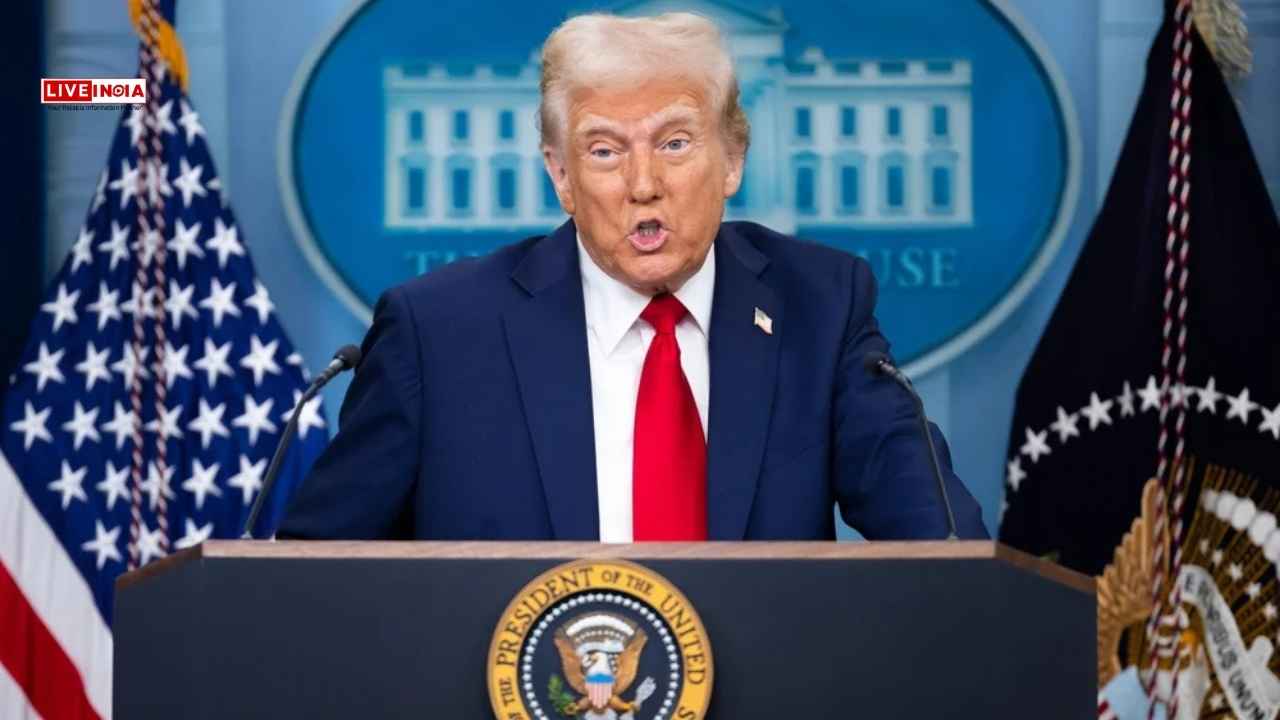


The extension of US tariffs on Japan and South Korea until August 1 adds fresh uncertainty to global markets. Wall Street slips while Asian indices diverge. Experts warn of prolonged trade disruption and inflationary impact.
Washington, July 8, 2025 — US President Donald Trump’s sudden tariff announcement on 14 nations, including key allies Japan and South Korea, has rattled financial markets globally. Though the new tariffs have been deferred until August 1, the move injected a fresh wave of uncertainty into global equities, particularly in the US.
Also Read: Travel Food Services IPO Day 2: Why is Response so Lukewarm
Following the announcement, major Wall Street indices fell sharply, with investor sentiment shaken by the geopolitical unpredictability. While Asian and European markets mirrored this volatility, India’s benchmark indices Sensex and Nifty 50 closed slightly higher after a rangebound session. Notably, Japan’s Nikkei rose 0.25%, while South Korea’s Kospi jumped 1.8%, buoyed by hopes of a last-minute resolution.
📉 What Does the Tariff Extension Mean for US Markets?
Financial experts believe that Trump’s decision to delay tariffs, rather than ease tensions, has amplified investor concerns. The move suggests the trade war may be more prolonged and unpredictable than earlier anticipated.
“The tariff delay has created considerable uncertainty,” said Fei Chen, Investment Strategist and CEO of Intellectia AI. “The real implication is that the trade war is still alive. Investors must prepare for disruptions in global supply chains and assess their exposure to risk.”
The situation also has implications for monetary policy. With trade-induced inflation risks rising, US Fed Chair Jerome Powell may be forced to keep interest rates steady for longer than expected. Analysts believe the inflationary pressure could further strain the US economy, especially with the One Big Beautiful Bill Act threatening to balloon national debt by up to $3.4 trillion over the next decade.
Also Read: OnePlus Nord 5 & CE 5 Launch Live: Starting at ₹22,999—What Will They Pack?
📊 How Are Global and Indian Markets Reacting?
- Wall Street: Major indices fell sharply post-announcement
- Nikkei: Up 0.25%
- Kospi: Surged 1.8%
- Sensex and Nifty 50: Ended with mild gains
- Europe: Mixed trends with cautious trading
Experts believe the initial optimism around extended deadlines may be short-lived unless tangible trade talks resume. While the US dollar may weaken under debt and inflation pressure, this could be a tailwind for emerging markets like India, offering some respite to foreign investors.
⚠️ What Should Investors Watch?
- US trade negotiations before August 1
- Fed’s policy direction amid inflation signals
- Earnings season impact on corporate margins
- Global supply chain disruptions
- Bond yields and dollar movements
“This isn’t just about tariffs,” says Chen. “It’s a broader warning about how unpredictable politics can roil markets. Investors must think strategically.”
🏷️ Tags:
Donald Trump, US Tariffs, Global Markets, Wall Street, Sensex, Nifty 50, Fed Policy, Inflation, Japan, South Korea, Nikkei, Kospi, Trade War, US Debt
📌 Hashtags:
#TrumpTariffs #GlobalMarkets #WallStreet #TradeWar #FedPolicy #USStockMarket #IndiaMarkets #InflationWatch #Nikkei #Kospi #Sensex #EconomicOutlook