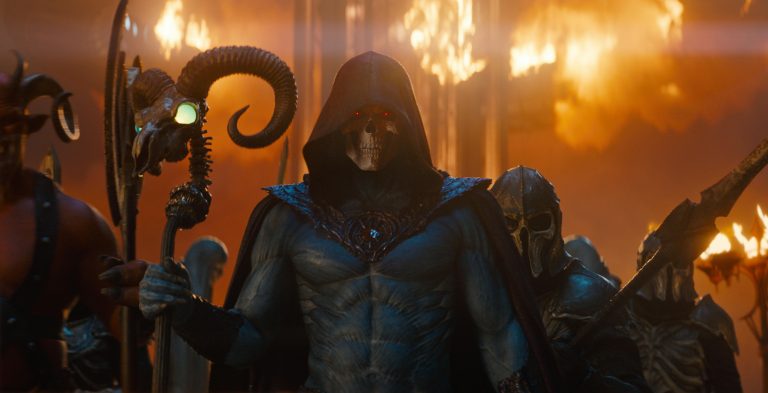
For over four decades, the battle cry “By the power of Grayskull… I have the power!” has echoed through the annals of pop culture history. This week, the long-dormant fantasy epic finally returns to the grand theatrical stage with the release of Masters of the Universe. Directed by Laika animation veteran and Bumblebee filmmaker Travis Knight, the multi-million dollar live-action reboot features Nicholas Galitzine stepping into the dual, muscle-bound boots of Prince Adam and He-Man, alongside an unrecognizable Jared Leto as the sinister, skull-faced tyrant Skeletor.
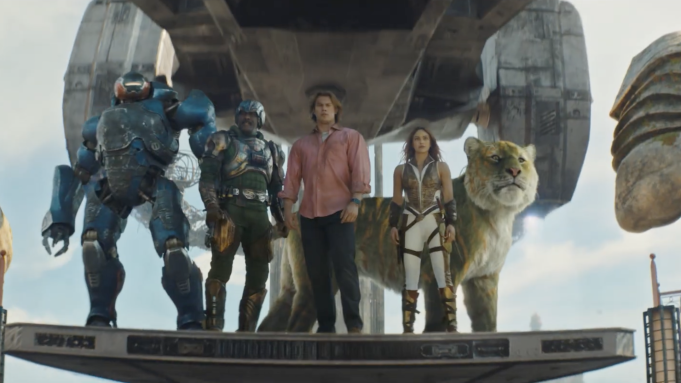
The road to Eternia has been notoriously treacherous. Since the original 1987 live-action film starring Dolph Lundgren, countless directors, screenwriters, and studio executives have attempted to resurrect the franchise, only for projects to collapse in development hell. Now, as the iconic hero prepares to compete for box office dominance in a theatrical market completely saturated by modern Marvel and DC superheroes, an essential question arises for both nostalgic purists and a new generation of viewers: how exactly does this 2026 vision differ from the beloved 1980s Filmation cartoon?
Crafting a Unified Mythos From Action Figures
Veteran screenwriter Chris Butler the creative mind behind animated gems like ParaNorman, Kubo and the Two Strings, and Missing Link explained the delicate tightrope walk of balancing decades of lore. Alongside co-writers Aaron and Adam Nee (The Lost City) and veteran action architect Dave Callaham (Spider-Man: Across the Spider-Verse), Butler treated the diverse history of the franchise as a sandbox.
“There’ve been so many iterations over the years, and each time it’s been slightly reinvented,” Chris Butler told us. “So, as a fan, I’ve just taken the bits from each of those iterations that I’ve liked, really starting with the action figures and the original Filmation animated series, and I’ve been able to pull that together into something completely fresh, hopefully. You always want to respect the past, but you also have to make it your own thing.”
The Earthbound Blueprint: A New Origin for Prince Adam
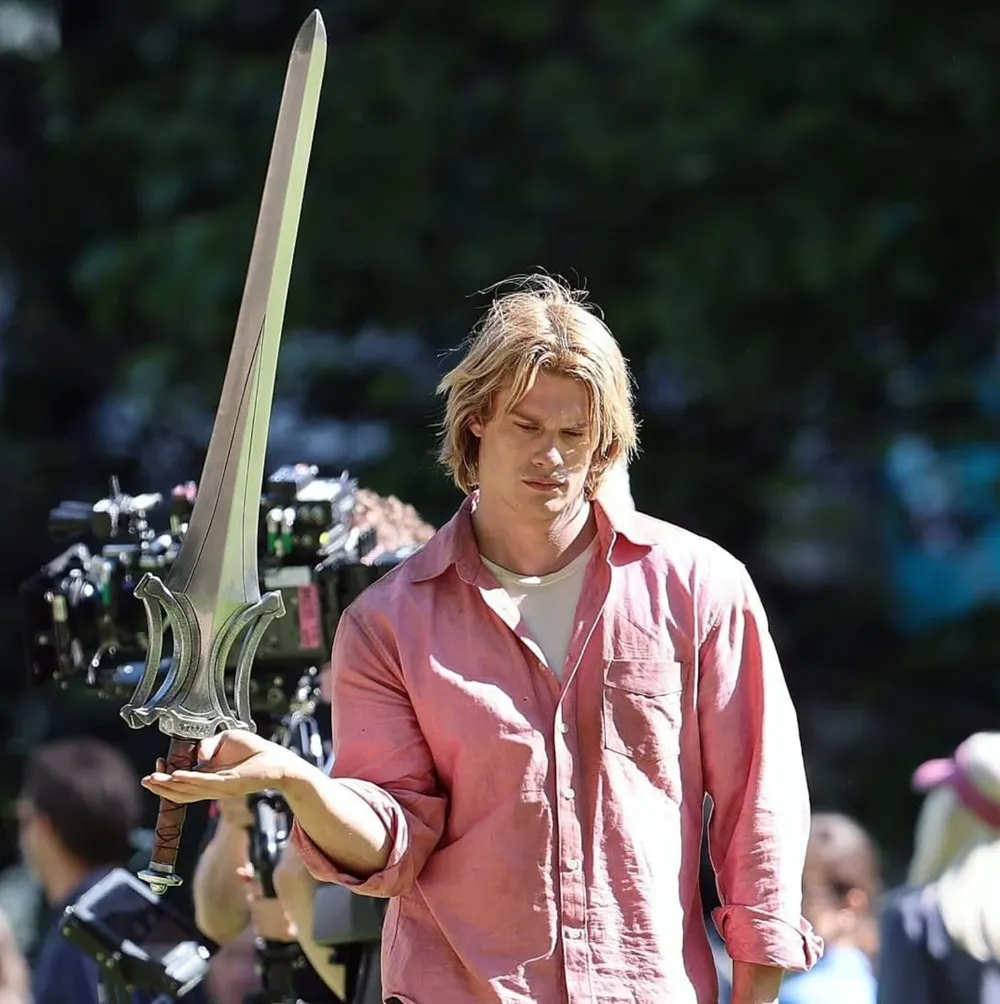
The most radical creative departure in the 2026 film centers on the structural displacement of its titular protagonist. Rather than growing up amid the royal luxury of the royal palace of Eternia, this version of Prince Adam has spent his formative years hidden away on Earth, living a completely normal, modern human life unaware of his cosmic destiny.
The Director’s Vision:
“Anytime you have characters whose story goes back over 40 years, there’s going to be a bunch of variations of that thing,” director Travis Knight explained. “The He-Man and Masters of the Universe in the early ‘80s is the one I always go back to, because that’s where it started for me as a kid.”
Knight highlighted that this narrative shift recontextualizes the classic identity dynamic for a contemporary audience:
- The Superman Parallel: In the 1980s Filmation cartoon, Prince Adam’s everyday persona was treated like a classic Clark Kent facade—he deliberately acted timid, clumsy, and a little lazy to throw people off the scent before turning into He-Man.
- The Audience Mirror: In the 2026 film, Adam’s initial vulnerability isn’t an act. Growing up on Earth means that when he finally recovers his magic sword and returns home to defend his kingdom from Skeletor’s invading forces, his genuine sense of awe, shock, and wonder matches the exact emotional journey of the audience experiencing Eternia for the first time.
By replacing the campy, episodic nature of the 1980s cartoon with a grounded, emotionally resonant fish-out-of-water origin story, Knight and Butler aim to give the fantasy icon a definitive cinematic anchor. Whether Castle Grayskull’s deep mythology can fascinate a generation that grew up on the CGI spectacles of Iron Man and The Hulk will be answered definitively when the film hits theatres this Friday.