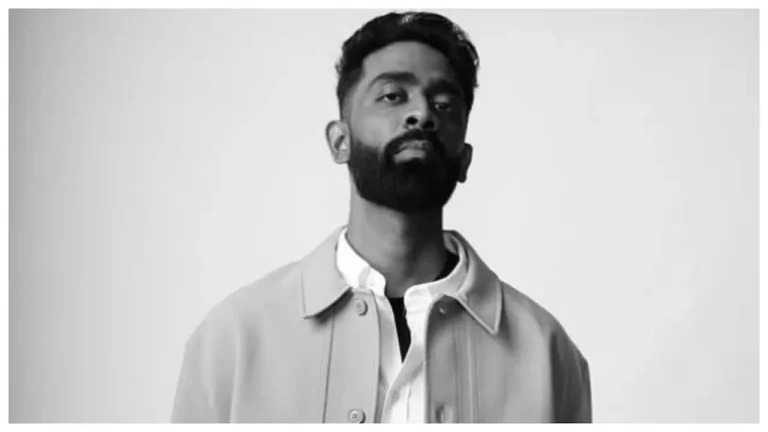
Popular stand-up comedian Pranit More has issued an official, unconditional apology following severe digital backlash over a viral clip from one of his recent live comedy sets. The incident, which has been dubbed the “₹370 ki biryani controversy,” triggered widespread outrage across Indian social media circles.
Critics, commentators, and viewers aggressively flagged the content as toxic, transactional, and heavily misogynistic. Yielding to the massive wave of criticism, More took to his official Instagram account on Saturday, June 13, 2026, to release a video statement taking full accountability for letting the situation escalate on his platform.
The controversy originally erupted when a video snippet of More performing “crowd work” an interactive comedy style where the comic converses directly with audience members was uploaded online. During the interaction, a segment of the crowd identified as Himanshu Jangra shared a personal dating experience. Jangra openly suggested that because he had spent ₹370 on a plate of chicken biryani during a date, he expected sexual or physical reciprocity from the woman involved. The underlying entitlement of the remark instantly turned the video clip into a focal point for intense online debates surrounding modern dating etiquette and toxic entitlement.
Anatomy of an Apology: “A Clear Lapse in Judgment”
As the video gained millions of views, the internet’s fury quickly expanded from the audience member to Pranit More himself for validating, broadcast-amplifying, and laughing along with the problematic remarks. In his video statement, More was remarkably candid, acknowledging that the harsh criticism heading his way was entirely justified. He admitted that the live setting blinded his regular editorial filter, leading to an unfortunate creative misstep.
“While I was doing crowd work with that guy, he said many derogatory things, but everyone was laughing. I got carried away, and it was a lapse in judgment. I feel this was a big mistake on my part. I could have stopped him there or taken a stand, but I didn’t.” — Pranit More, Comedian
Beyond the court of public opinion, the issue has also caught the attention of law enforcement. More revealed that official legal proceedings have been initiated against him in connection with the offensive content broadcasted. The comedian explicitly emphasized that he is completely cooperating with local authorities and investigators regarding the matter.
The Industry Reality: The High Risks of Unedited Crowd Work
| Incident Component | ₹370 Biryani Controversy Breakdown |
| Primary Personality | Pranit More (Stand-up Comedian & Content Creator) |
| Origin of Controversy | Live “Crowd Work” interactive comedy show snippet |
| The Trigger Statement | Audience member expecting date favors after spending ₹370 on Biryani |
| Public Backlash Focus | Misogynistic tone, transactional dating culture, platforming derogatory views |
| Current Legal Status | Ongoing; More confirms he is actively cooperating with authorities |
The controversy highlights a growing structural problem within the thriving Indian stand-up comedy ecosystem. Over the last two years, short-form crowd-work clips have become the absolute gold standard for comedians looking to game algorithms on Instagram Reels and YouTube Shorts. Because these interactions are completely unscripted, they often tread into volatile territory. Industry analysts point out that in the rush to secure high-retention viral hooks, comedians often end up editing and publishing highly offensive crowd remarks for quick digital metrics, ignoring the real-world impact of the statements.
Concluding his apology video, More requested his audience and the wider public to grant him another opportunity to grow, stating that the entire episode has served as an intense, eye-opening learning curve. Moving forward, the comic promised to strictly monitor the ethical boundaries of his crowd interactions and implement a significantly tighter filter on the content he chooses to produce and share across public platforms.