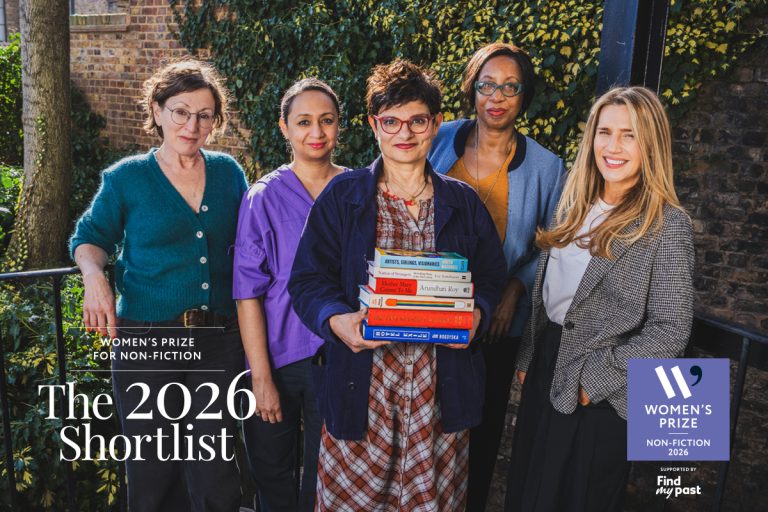
The Women’s Prize for Non-Fiction recognizes exceptional narrative non-fiction written by women. This essential prize addresses a critical systemic imbalance: while women have achieved incredible parity and representation in fiction, their voices remain underrepresented across historical, scientific, and geopolitical non-fiction shelves.
Now in only its third year, the 2026 shortlist spans a breathtakingly diverse landscape of human experience. These six nominated titles explore everything from neuro-scientific wellness and complex matriarchal legacies to the devastating fallout of war and displacement.
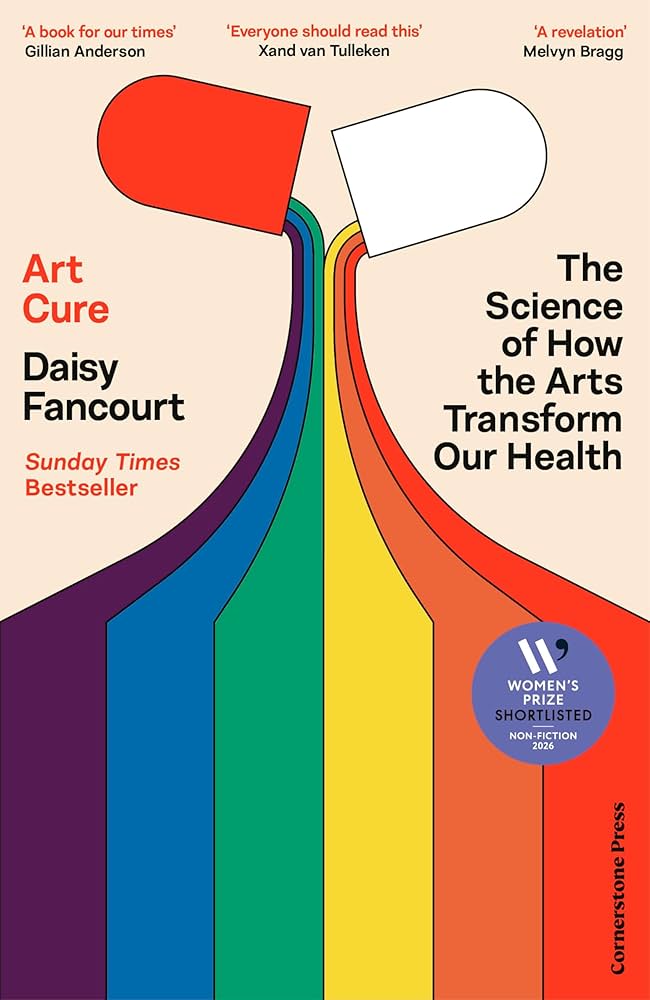
‘Art Cure: The Science of How the Arts Transform Our Health’
Author: Daisy Fancourt
Expert Guide: Barrie Llewelyn (Senior Lecturer in Creative Writing)
In Art Cure, Daisy Fancourt bridges the traditional divide between creative expression and hard clinical data. While therapists have long relied on creative interventions intuitively, Fancourt provides the quantifiable data to back those choices up. She illustrates exactly how spending even a few minutes listening to a melody, sketching, or strolling through an art gallery triggers measurable physical and mental healing.
Every chapter opens with an engaging, real-world case study. Through these narratives, Fancourt translates dense, multifaceted concepts—such as the neurological architecture of human happiness—into an accessible framework. Moving past the academic boundaries of her seminal 2017 textbook Arts in Health, this new book establishes daily artistic engagement as a fundamental pillar of preventative medicine.
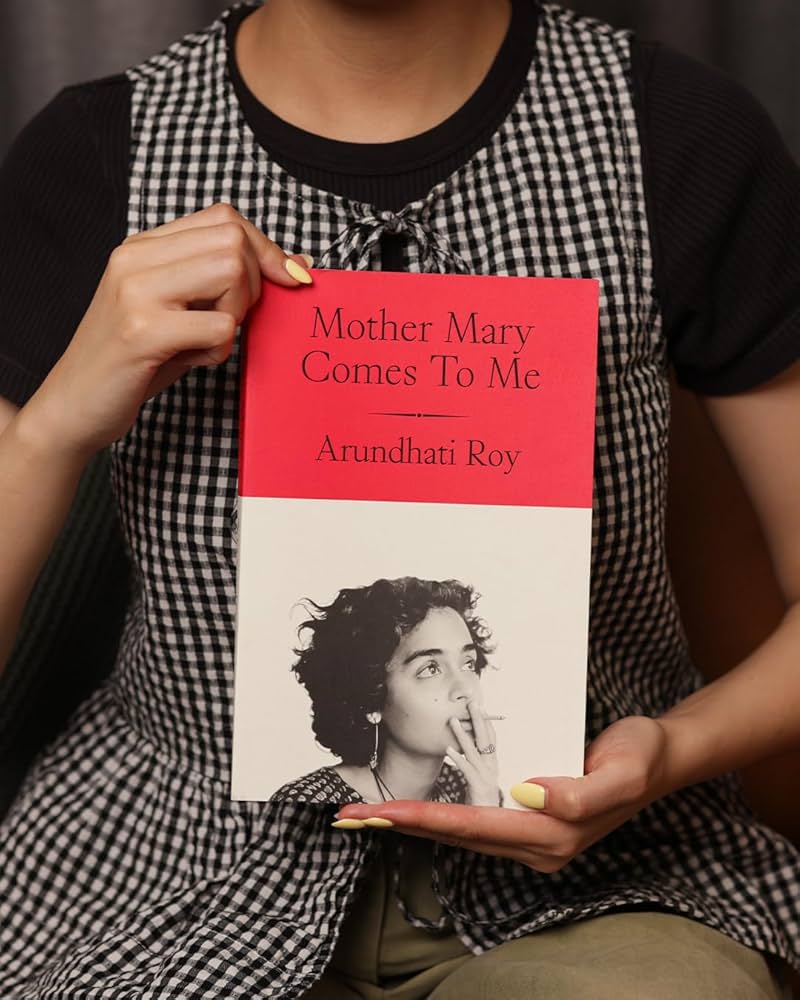
‘Mother Mary Comes to Me’
Author: Arundhati Roy
Expert Guide: Dominic O’Key (Teaching Associate in Contemporary Literature)
Arundhati Roy’s deeply moving memoir marks the passing of her late mother, Mary Roy, by attempting to fully capture her on the page for the first time. While Roy has famously integrated fragmented versions of her mother into her internationally acclaimed novels, Mother Mary Comes to Me serves as her first unfiltered biographical exploration.
Mary Roy was an absolute powerhouse—a tireless headmistress, an advocate for Syrian Christians, and a fierce legal activist whose landmark courtroom campaigns fundamentally revolutionized women’s inheritance rights across India. Yet, at home, she was a deeply volatile parent. Roy describes a complex, mercurial mother who fiercely pushed her daughter to claim radical intellectual freedom, only to unleash immense rage when young Arundhati exercised those exact rights. Written with the structural elegance of a high-tier novel, this memoir stands as an uncompromising literary monument to a complex family legacy.
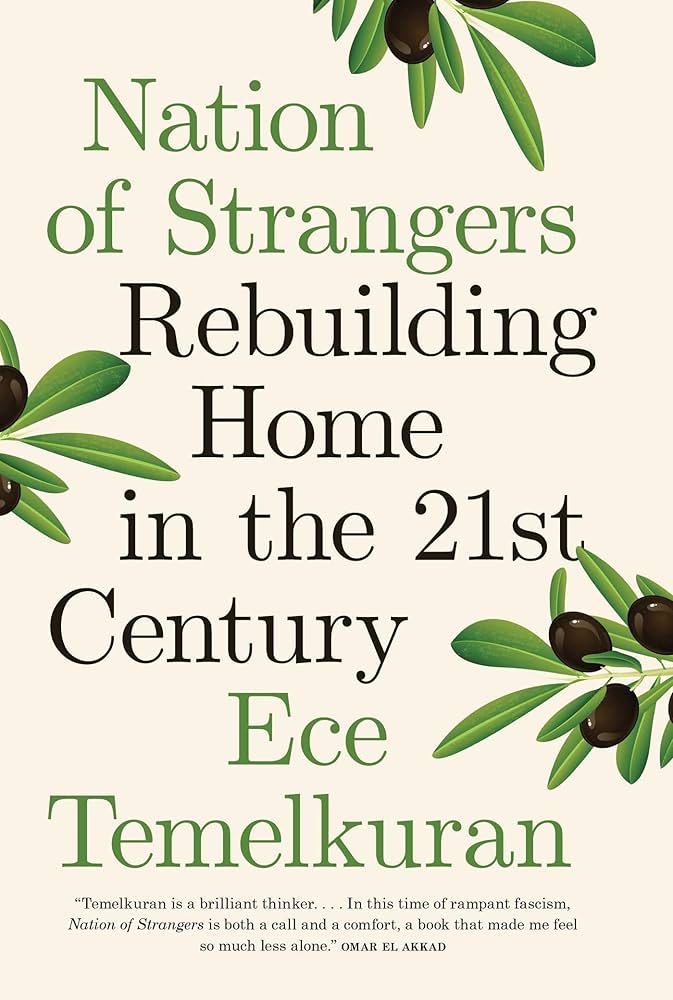
‘Nation of Strangers: Rebuilding Home in the 21st Century’
Author: Ece Temelkuran
Expert Guide: Michaela Benson (Professor in Public Sociology)
Structured as a brilliant, emotionally raw collection of letters sent to fellow displaced souls, Nation of Strangers confronts the modern global crisis of forced migration. Ece Temelkuran frames her entire narrative around four heavy, recurring questions frequently aimed at borders: Who are you? Why did you leave? How will you survive? When will you go home?
Rejecting cold, institutional labels like “refugees,” “migrants,” or “exiles,” Temelkuran insists on defining the displaced community on her own human terms. Uprooted from her native land by rising fascism, she frames being unhomed not as an isolated tragedy, but as a widespread collective condition defining the 21st century. Despite dealing with devastating systemic trauma, her prose shines light on a hopeful future, detailing how communities can build cross-border solidarity to redefine the concept of home.
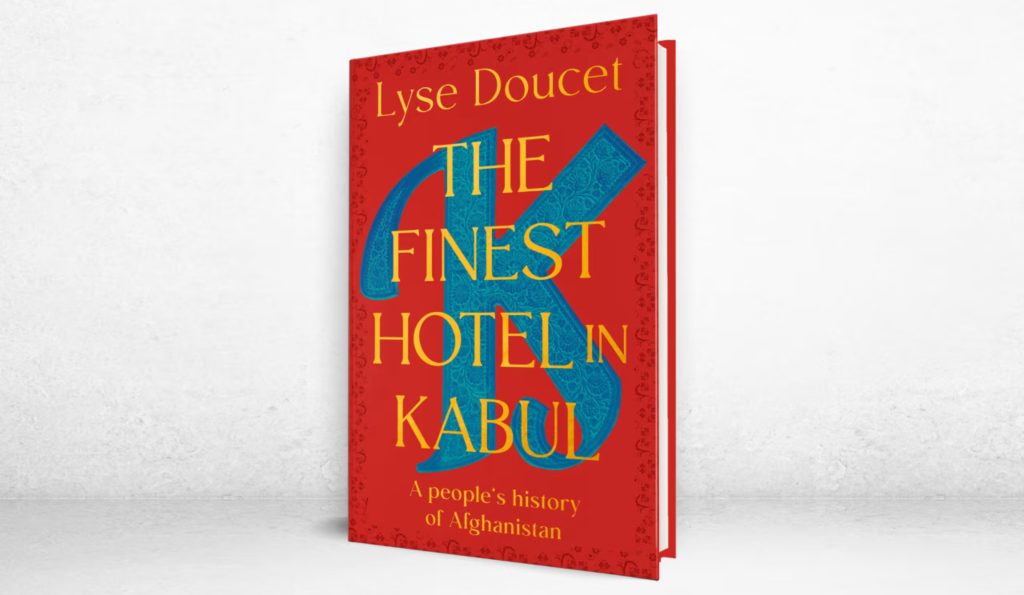
‘The Finest Hotel in Kabul: A People’s History of Afghanistan’
Author: Lyse Doucet
Expert Guide: Magnus Marsden (Professor of Social Anthropology)
Veteran BBC journalist and foreign affairs editor Lyse Doucet delivers a stunning historical masterclass by using Kabul’s iconic Inter-Continental Hotel as a structural lens. Perched high on a hill overlooking the city since the 1960s, the hotel has long symbolized Afghanistan’s turbulent, evolving relationship with Western powers.
Doucet traces the hotel’s glamorous and dangerous history, documenting a guest log that evolved from Pan Am flight crews and high-fashion Afghan socialites to militant mujaheddin commanders, international Taliban leadership, and NATO military officials. Crucially, the author shifts focus away from “big men” and politicians. Instead, she chronicles the oral histories of the ordinary hotel chefs, waiters, and utility staff. The result is a corrective, deeply humanizing historical account that presents the citizens of Kabul as rounded, resilient individuals trying to maintain dignity amidst unpredictable geopolitical chaos.
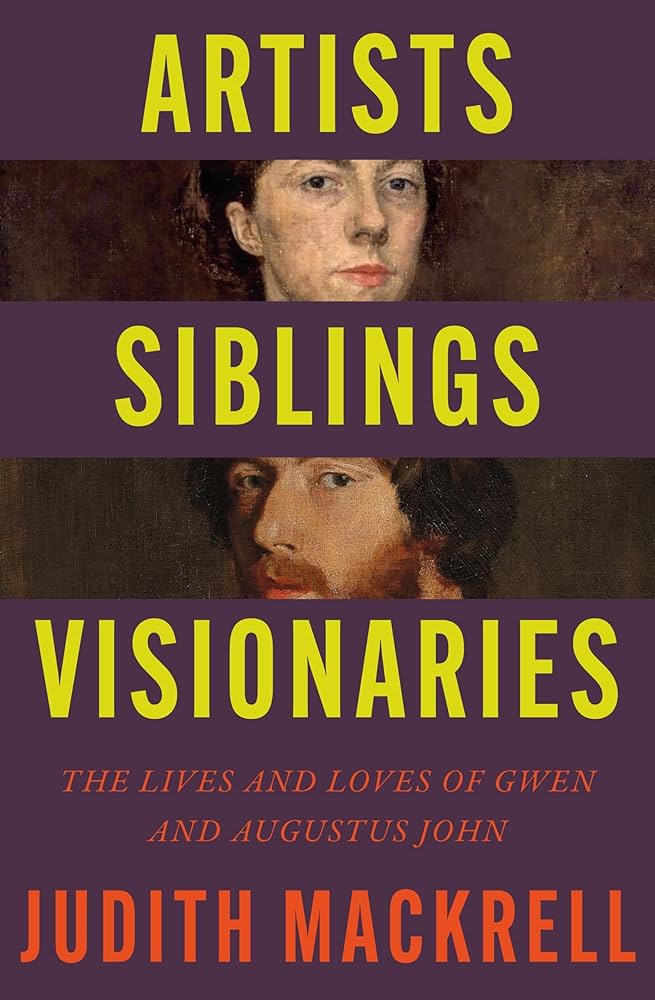
‘Artists, Siblings, Visionaries: The Lives and Loves of Gwen and Augustus John’
Author: Judith Mackrell
Expert Guide: Adrian Paterson (Lecturer in English, Media, and Creative Arts)
While Augustus John’s explosive, larger-than-life personality and bold artwork once rendered him the most celebrated artist in Britain, history is experiencing a major shift. Driven by recent gallery retrospectives across Cardiff and the National Gallery of Scotland, the quieter, intimate, chalky masterpieces of his sister, Gwen John, are steadily eclipsing his legacy—just as Augustus himself originally predicted.
Rather than delivering separate, isolated accounts, Judith Mackrell weaves their intricate cross-channel bonds into a dual biography. She explores how their shared dreams of radical artistic freedom led them away from conventional British society into chaotic, frenzied bohemian lifestyles in Paris. Through bare feet, canvas frames, caravan travels, deep depressions, and complicated romantic quadrangles, Mackrell maps out the profound psychological strings that bound these two revolutionary siblings together.
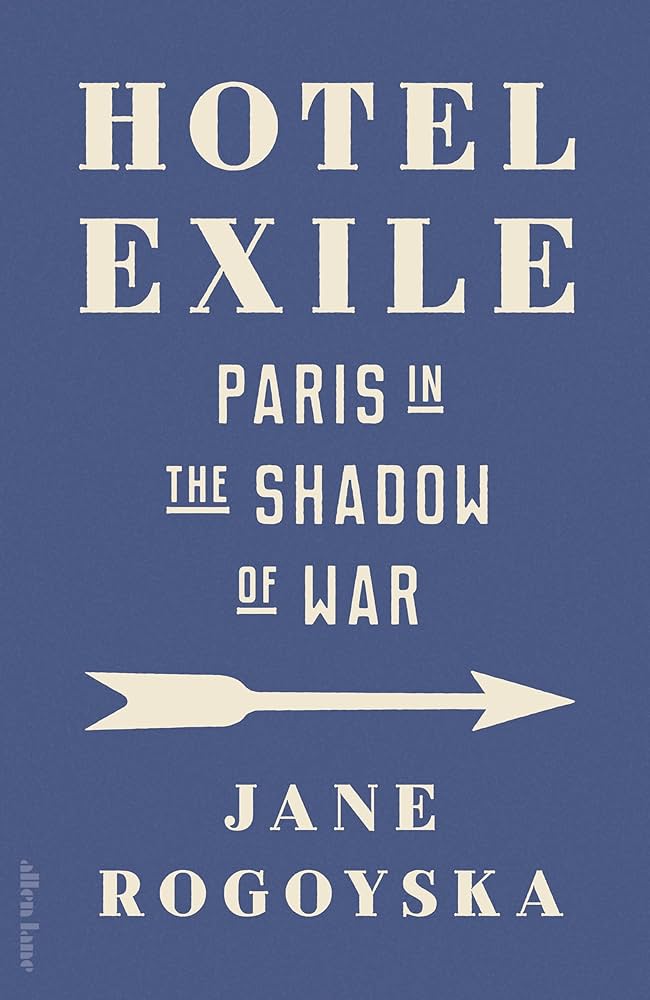
‘Hotel Exile: Paris in the Shadow of War’
Author: Jane Rogoyska
Expert Guide: The Selection Committee Reviewers
Set inside the walls of the Left Bank’s iconic Hotel Lutetia during the turbulent 1930s and 1940s, Jane Rogoyska’s fast-paced historical narrative captures the sheer complexity of human survival. The book transforms the physical hotel into a living witness to the terrifying shifts of World War II.