


The Thailand-set climax of HBO’s hit series explores trauma, revenge, and the pursuit of peace in a story where spiritual awakening meets fatal consequences.
Bangkok, April 7: The White Lotus Season 3 ended with more than just luxury views and layered social satire — it ended with bodies. After teasing its most ominous death count yet, the Thailand-set chapter of Mike White’s HBO anthology tied up its sprawling web of characters in a 90-minute finale, “Amor Fati,” with multiple fatalities, fractured morals, and surprisingly tender revelations.
Though The White Lotus began in 2021 as a sharp social farce with murder as a mere backdrop, Season 3 leans fully into its murder-mystery identity, opening with gunshots and ending with spiritual reckoning. Amid high expectations and scattered pacing, the finale manages to bring poignant closure to the show’s most polarizing season yet.
Death, Drama & Departures
By the time the credits rolled, three central characters — Rick, Chelsea, and Jim — were dead, with Rick’s murder-suicide revealing a long-teased father-son trauma. In a season saturated with omens, poisoned smoothies, and stolen pistols, few viewers were surprised — but many were still shaken.
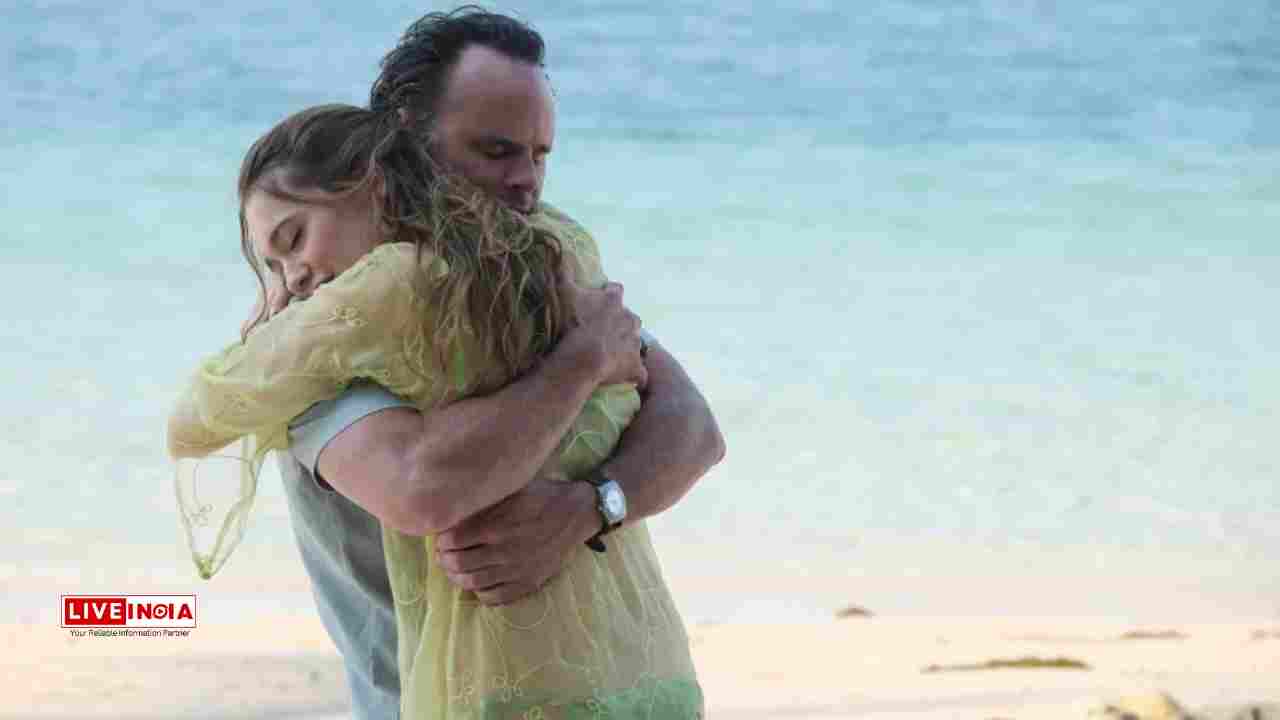
Walton Goggins’ Rick, haunted by childhood scars, tracked his estranged father (Scott Glenn’s Jim) to Bangkok. While he briefly resisted vengeance, he eventually succumbed to rage — a choice that sealed his and Chelsea’s fates. Cristobal Tapia de Veer’s haunting score amplified the tension, marking a memorable swan song before the composer’s departure from the series.
Enlightenment, Exploitation & Eastern Themes
Set against the serenity of Thai temples and meditation centers, Season 3 juxtaposed Eastern spiritual motifs with Western dysfunction. From digital detoxes to Buddhist wisdom, characters sought peace — often through superficial means.
“Coping mechanisms create more anxiety,” a monk tells the Ratliff siblings, highlighting the show’s thesis: luxury isn’t healing, it’s distraction. Rick’s refusal to heal, contrasted with Laurie’s monologue about finding purpose without religion, captures The White Lotus at its most introspective.
Moral Wins, Material Losses
Some characters appear to win — but not without compromise. Belinda (Natasha Rothwell) extorts Greg (Jon Gries) for $5 million, but promptly abandons her spa dream and her partner Pornchai. Gaitok (Tayme Thapthimthong) trades his pacifism for power, impressing his crush Mook but losing part of himself.
Laurie (Carrie Coon) emerges as one of the few truly changed characters. Stripped of envy and spiritual disillusionment, her final words — “I’m just happy to be at the table” — feel like The White Lotus’s most sincere line in a sea of cynicism.
Not Everything Hits the Mark
Not every plotline stuck the landing. Lochlan’s Vitamix poisoning, a would-be shock moment, bordered on parody, offering unnecessary comic relief in an otherwise weighty episode.
Still, Season 3 managed to reflect on class, trauma, morality, and desire — the essence of The White Lotus. Its characters sailed into unknown futures, and while not all were redeemed, all were reckoned with.
Final Verdict
Mike White continues to challenge the luxury fantasy by peeling back its polished surface. While the show’s ambitious sprawl made for some uneven storytelling, the finale delivered a fitting blend of beauty and brutality — a reminder that paradise, no matter how picturesque, is often a mask.
As viewers disembark from Thailand and look toward Season 4, one thing is clear: The White Lotus remains HBO’s most elegantly twisted getaway.