
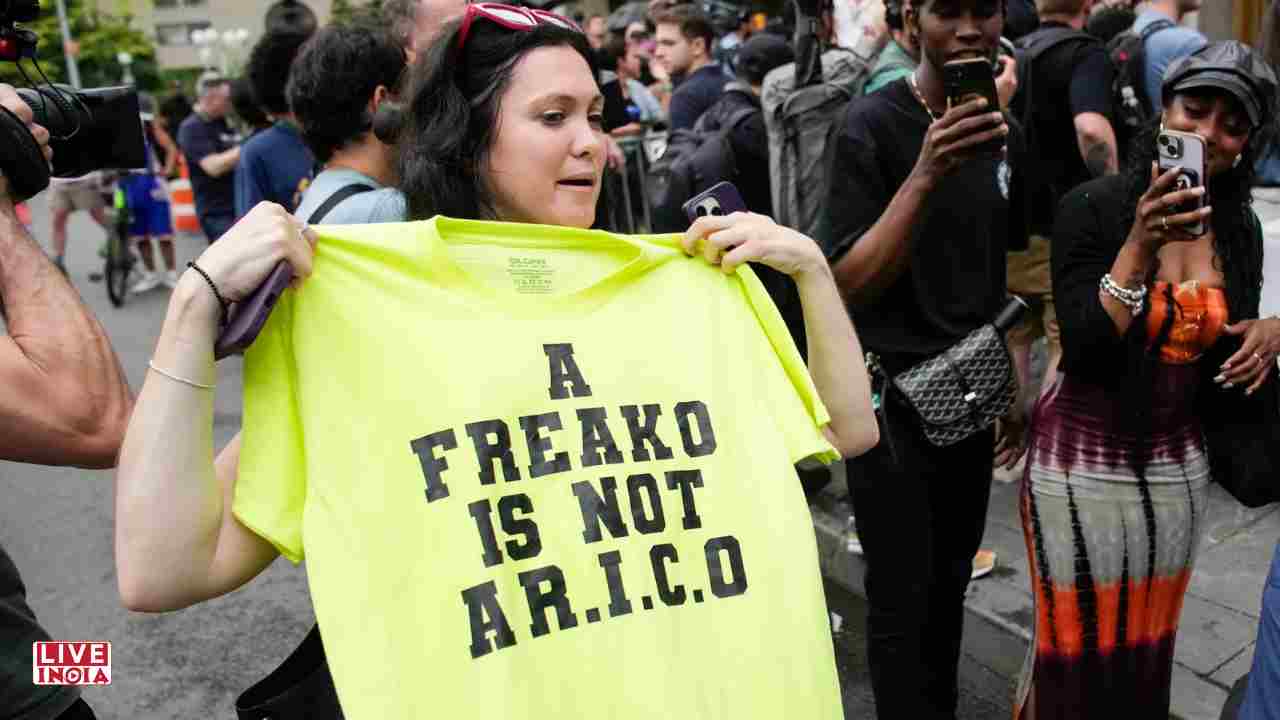


Despite weeks of high-profile testimony and explosive allegations, Sean “Diddy” Combs walked free from the most serious charges — leaving prosecutors and victims’ advocates stunned.
In a trial that captivated the nation and spotlighted systemic abuse allegations in the entertainment industry, Sean “Diddy” Combs was found guilty on two counts of transportation to engage in prostitution but acquitted of the more serious charges of sex trafficking and racketeering conspiracy. The split verdict, delivered Wednesday morning by a federal jury in Manhattan, has raised pressing questions about prosecutorial strategy, juror perception, and the burden of proof in cases involving celebrity power and coercion.
A Stunning Twist in a High-Stakes Trial
The six-week trial, led by federal prosecutors in the Southern District of New York, painted a chilling picture of Combs as the mastermind of a criminal enterprise operating under the facade of Combs Enterprises, using company infrastructure to manipulate, traffic, and control women for personal gratification.
Yet, despite hours of gripping testimony from alleged victims — including singer Cassie Ventura and a woman referred to only as “Jane” — and shocking accounts of “freak-offs,” forced drug use, kidnapping, and arson, the jury of eight men and four women only found Combs guilty of two lesser charges. He now faces a much-reduced sentence, potentially just a few years, rather than life imprisonment.
The Collapse of the Racketeering Case
So, how did prosecutors lose what many viewed as a “slam-dunk” case? The answer may lie in the complexity of the RICO statute, which was originally designed to take down organized crime syndicates. Prosecutors attempted to map Combs’ alleged abuse and manipulation of women through his company onto this legal framework — but the jury didn’t bite.
The jury’s questions during deliberation, particularly around drug distribution and whether consent was a factor, suggested doubts about whether Combs’ actions truly fit the profile of coercive control or criminal enterprise. One juror reportedly questioned whether it mattered that “Jane” or Cassie willingly accepted drugs from Combs — a moment that may have shifted the case’s emotional tone toward skepticism.
Prosecutorial Overreach — or Cultural Blind Spots?
Legal experts and advocates are split on the outcome. Some, like attorney Ann Olivarius, argue that the labels of “sex trafficking” and “racketeering” come with cultural baggage — images of foreign victims locked in basements or mob bosses issuing orders.
“Combs’ actions — though violent, degrading, and in my view, clearly within the legal definitions — didn’t match those stereotypes,” Olivarius said. “That disconnect gave the defense room to manipulate the narrative, and it worked.”
Anna Cominsky, professor at New York Law School, added: “The criminal enterprise was the weak spot, and the jury didn’t buy it.”
Juror Behavior Raises More Questions
The role of Juror No. 25, a 51-year-old Manhattan resident, is also raising eyebrows. On the first day of deliberation, the jury sent a note to Judge Arun Subramanian, seemingly suggesting that this juror needed a direct conversation — possibly about conduct or influence. This same jury declared itself “hopelessly deadlocked” by the end of Tuesday, only to reach a unanimous decision the next morning.
Until jurors speak out — which appears inevitable given the case’s national profile — observers can only speculate on what shifted the dynamics inside the jury room.
What Comes Next for Sean Combs?
Combs was denied bail following the verdict and is expected to remain in federal custody until his sentencing on October 3. While the two convictions are serious, they do not carry mandatory minimums, and with the dismissal of the racketeering and sex trafficking counts, his legal outlook is significantly improved.
Prosecutors have stated they intend to push for incarceration, arguing that Combs remains a flight risk and potential repeat offender. But with celebrity influence, a robust legal team, and public debate over the legitimacy of the trial’s outcome, the road ahead is far from certain.
A Cautionary Tale in the Age of Power and Perception
The Diddy verdict is already being dissected not just as a legal result but as a cultural barometer — revealing how deeply embedded stereotypes, legal technicalities, and defense theatrics can alter the course of even the most damning accusations.
For victims of coercion and abuse, the trial’s end may feel like a setback. Yet it also highlights the urgent need for legal reform, particularly around how we define and prosecute crimes rooted in coercion, power imbalance, and psychological control.
As the countdown to sentencing begins, the nation — and the entertainment world — watches closely. This case may be over, but the conversation about justice, celebrity, and accountability is far from finished.