If you have been married for several years, you likely understand that few terrors match the feeling of being unable to protect the people you love. Most of us try not to think about this nightmare too often because there is no reason to dwell on such dark thoughts. However, the deep worry persists anyway. We constantly fear that forces much larger than us exist in this world, and we know that many of these forces are not good. When push comes to shove, we might find ourselves completely powerless in the face of death.
Sometimes, a husband might look at his wife smiling or catch the glint of sunlight on her hair, only to feel a sudden wave of terror. The thought that a loved one could be snatched away in an instant is horrifying, especially when you feel you might not be strong enough to save them. This specific, primal terror is just one of the many horrors that director Na Hong-jin’s masterpiece, The Wailing, pulls out of the darkness. Consequently, the film remains an unmatched piece of South Korean horror a decade after its original release.
A Journey Into the Black Pits of the Supernatural
The filmmaker released his third feature film to unsuspecting audiences who had no idea what sort of dread-choked nightmare they were about to witness. Na Hong-jin’s previous works were certainly dark, as they dealt heavily with realistic murder and death. Nevertheless, those earlier films had not delved into the black pits of sinister, supernatural forces. The Wailing takes viewers directly into that spiritual darkness. Unlike most traditional horror movies, it refuses to pull the audience back out at the end, choosing instead to leave us down there to rot.
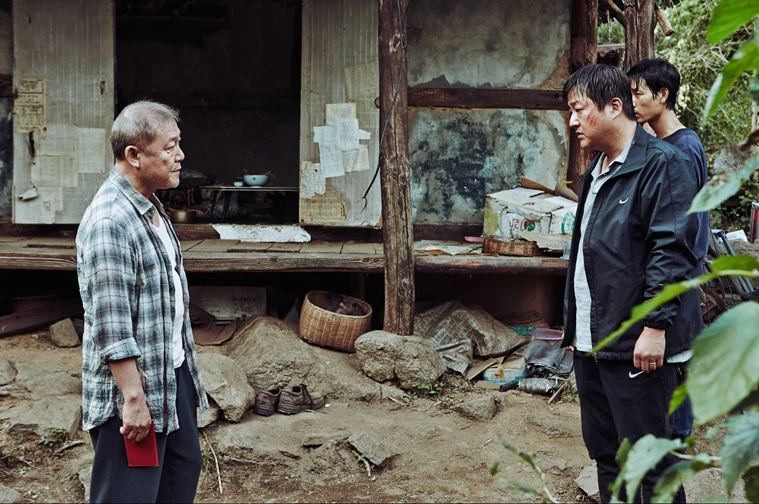
In this chilling story, we meet a small-town policeman named Jong-goo, played by actor Kwak Do-won. He wakes up early in the morning to a phone call about a brutal murder in his village. When he arrives at the crime scene, he discovers a blood-soaked nightmare. Multiple dead bodies lie scattered around, and the crazed killer sits on the porch covered in strange, disgusting blisters.
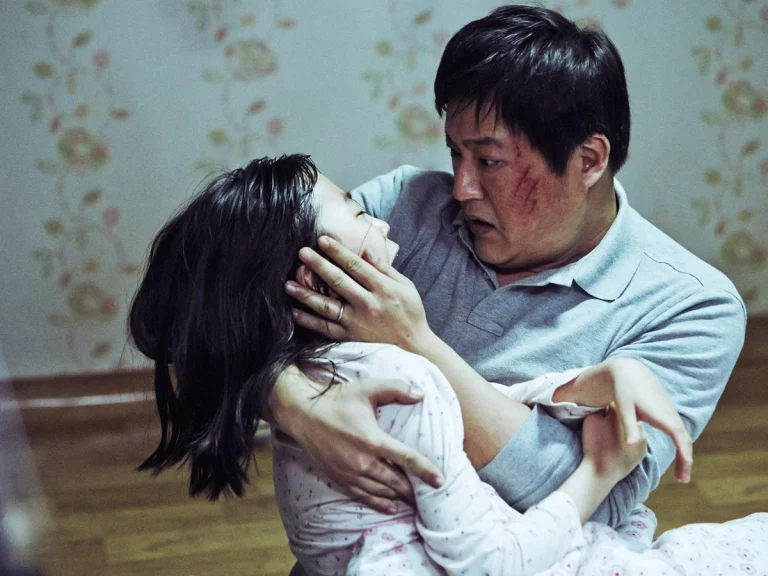
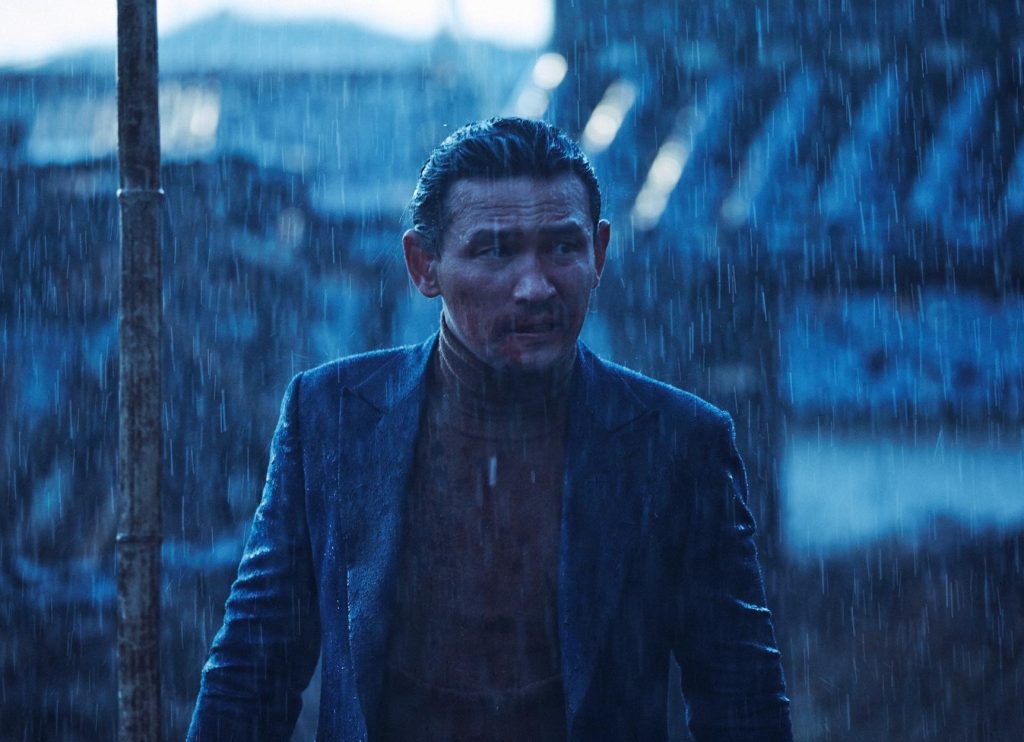
Soon, a rumor spreads through the village that a mysterious Japanese stranger, played by Jun Kunimura, brought an ancient evil to the town. As more deaths occur, the horror hits home for the police officer. Jong-goo discovers that his own young daughter, Hyo-jin, has become possessed by a demon and is breaking out in the same terrifying blisters. With time quickly running out, the desperate father sets his sights on the mysterious stranger, willing to do absolutely anything to save his child.
A Purposely Flawed and Relatable Protagonist
This desperate battle is exactly what sucks viewers into the narrative and makes the film instantly relatable. Jong-goo is definitely not your average horror movie cop lead. In most Hollywood films, these characters are completely fearless, gritty, and tough as nails. They always seem ready to take on an alien monster alone or fight Satan himself on New Year’s Eve.
On the contrary, Jong-goo is a very simple, flawed man. He enjoys eating good food, loves his family deeply, and behaves like a bit of a coward. In fact, his fellow officers openly joke that he has “balls the size of peas.” After a terrifying encounter with a psychotic woman at a crime scene, he even messes his pants, forcing his daughter to bring him clean clothes in front of his bosses. He is simply not the typical hero we envision saving the day, nor does he transform into Superman.
The Terrifying Breakdown of Science and Reason
When the story begins, Jong-goo strictly relies on logic and refuses to fall into superstition. Despite the unusual nature of the murder cases, he initially blames the violence on poisonous wild mushrooms or illegal drugs. He ignores the weird blisters, the ritualistic charms left at the scenes, and the local rumors.
Even when people claim they saw the Japanese stranger roaming the woods naked with glowing red eyes while eating a dead deer, Jong-goo looks for a science-backed explanation. His police partner immediately believes the eerie stories, but Jong-goo resists the supernatural explanation at first.
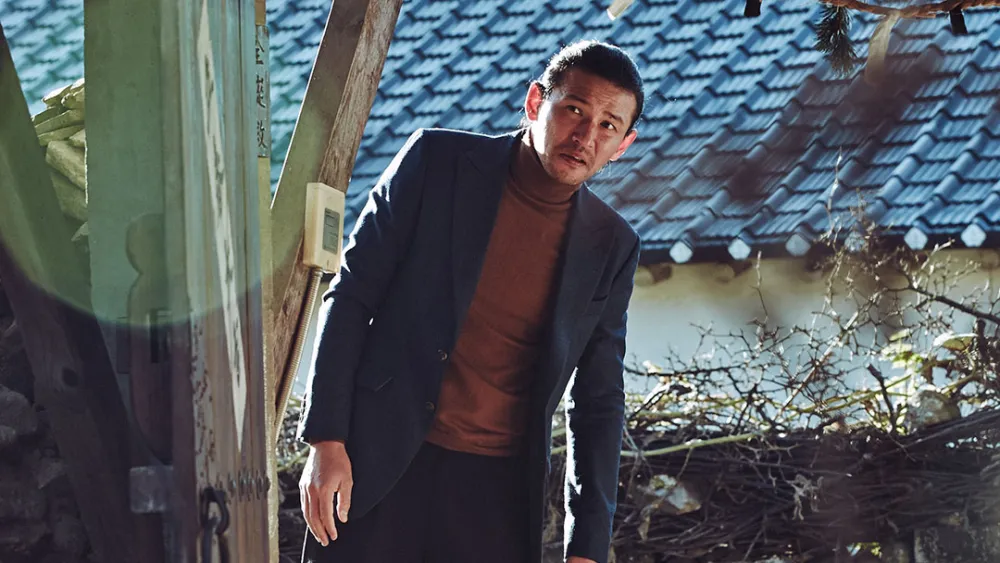
“How can you be sure without seeing for yourself?”
Like the absolute best possession films in cinema history, The Wailing gets down into the mud to explore the conflict between superstition and science. Eventually, after taking his daughter to the hospital to no avail, Jong-goo realizes that darker forces are at play.
Dread Central
The audience knows that something evil is happening, but the characters are trapped in total uncertainty. It is terrifying because nobody can easily distinguish between a severe physical illness and a literal demonic takeover. This lack of certainty is what drains the blood from our bodies when we lie awake at night. We realize we are just small specks in a massive universe, and we do not have the answers to life’s worst tragedies.
A Shocking Climax Rooted in Paranoia and Prejudice
The film also taps into deep cultural anxieties, twisting the narrative around the historical tensions between Japan and South Korea. This real-world conflict stems from Japan’s past colonial rule of the country. Many modern South Korean horror hits, such as the excellent film Exhuma, tap into the lingering ghosts of that era. Yet, Na Hong-jin takes a highly unique approach by showing the Japanese stranger suffering at the hands of an angry mob brought to his home.
Dread Central
In a devastating twist, the narrative reveals that the demonic forces were punishing Jong-goo for an act of violence he was bound to commit. The desperate father loses his belief in reason and falls completely down the rabbit hole of rumors. Racism and fear cloud the minds of the villagers, turning the outsider into a easy scapegoat for a spiritual problem they cannot comprehend.
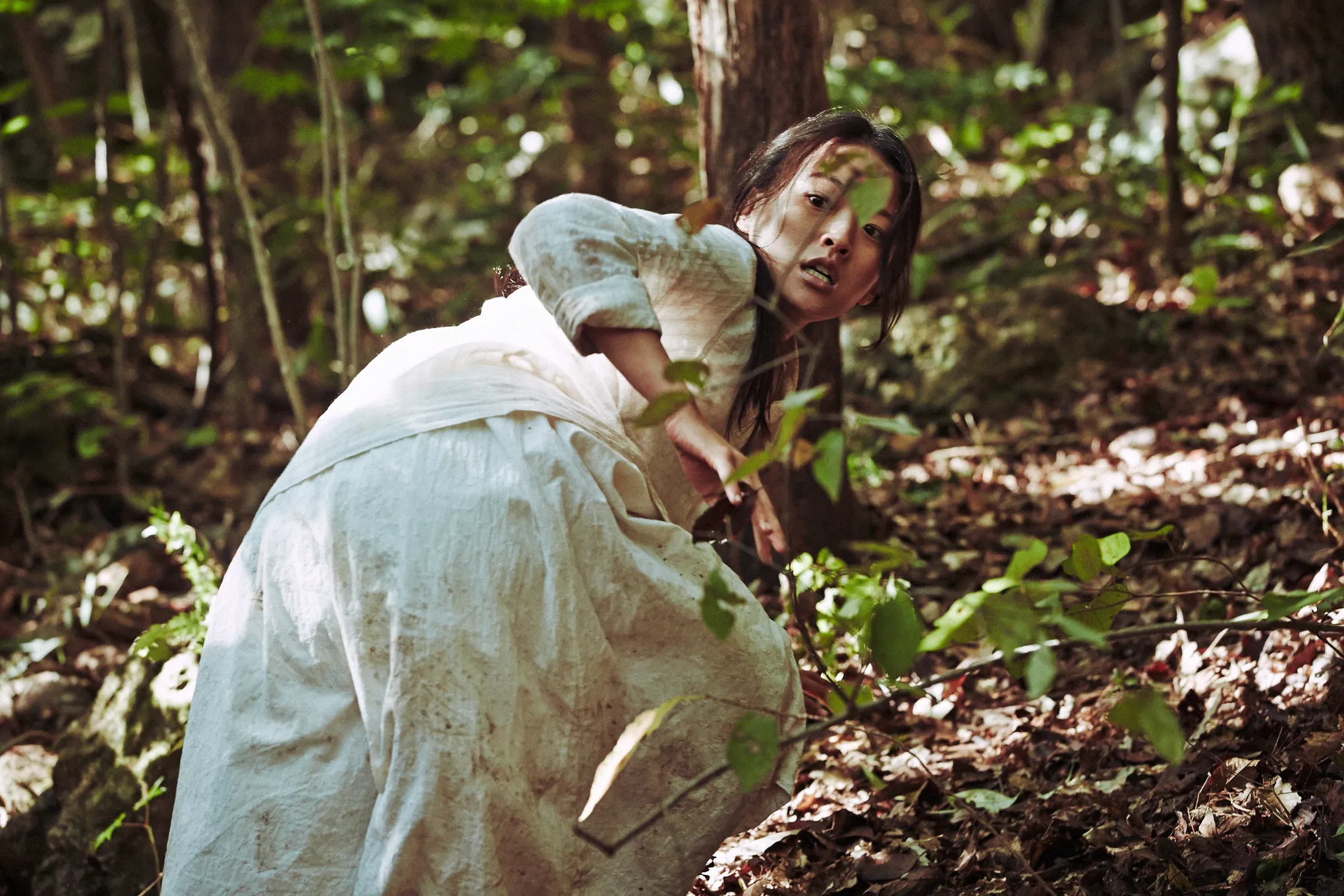
During the emotionally shattering ending, Jong-goo meets a mysterious woman in white who claims to be a protective spirit. She tells him that the Japanese man is a demon and that the shaman hired to save his daughter is actually working with the evil entity. She begs Jong-goo to wait until her spiritual trap is set to destroy the demon once and for all.
Dread Central
However, paranoia takes over. Suspecting that the woman herself might be an evil ghost, Jong-goo breaks his promise and rushes home to his family. By ignoring her advice, he ruins the protective trap. This final mistake leads to the total destruction of his family at the hands of his possessed daughter. Jong-goo’s agonizing screams, mixed with the sight of his ruined family, provide a devastating conclusion that cements The Wailing as a timeless masterpiece of psychological dread.