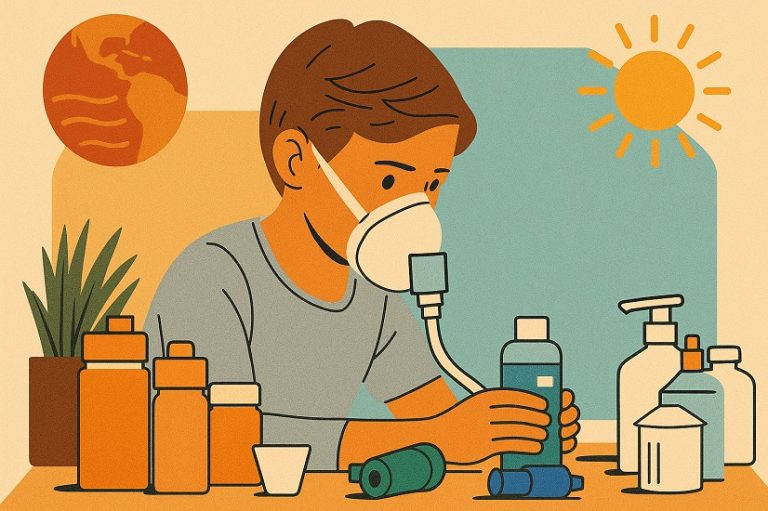
As India continues to experience prolonged heat due to the return of El Niño, health experts are warning that the effects of soaring temperatures extend far beyond dehydration and heatstroke. Rising temperatures can also have a significant impact on respiratory health, particularly for individuals with asthma, chronic lung diseases and allergies.
El Niño, a climate phenomenon caused by the warming of surface waters in the Pacific Ocean, often disrupts weather patterns across Asia. In India, it is known to weaken monsoon activity, delay rainfall and contribute to hotter-than-normal conditions.
How Extreme Heat Affects Respiratory Health
High temperatures can worsen air quality by increasing the concentration of harmful pollutants in the atmosphere. Heat accelerates the formation of ground-level ozone and contributes to the accumulation of particulate matter, both of which can irritate the airways and make breathing difficult.
People suffering from conditions such as asthma, chronic obstructive pulmonary disease (COPD) and seasonal allergies may be particularly vulnerable during periods of intense heat.
Common symptoms may include:
- Persistent cough
- Sore throat
- Wheezing
- Shortness of breath
- Chest discomfort
- Increased allergy symptoms
Dry Air Can Irritate The Airways
Hot weather often brings dry air, which can cause inflammation and irritation of the respiratory tract. This may lead to discomfort even in otherwise healthy individuals, while those with existing lung conditions may experience worsening symptoms.
Dry conditions can also reduce the body’s natural ability to protect the respiratory system from dust, pollutants and allergens.
Increased Exposure To Allergens And Pollutants
Heatwaves are often accompanied by higher levels of:
- Dust particles
- Pollen
- Smoke from wildfires
- Urban air pollution
These environmental triggers can aggravate respiratory conditions and increase the likelihood of allergic reactions and breathing difficulties.
Who Is Most At Risk?
Certain groups are more susceptible to heat-related respiratory problems, including:
- People with asthma
- Individuals with COPD
- Elderly adults
- Children
- Those with seasonal allergies
- People working outdoors
Experts advise these individuals to take extra precautions during periods of extreme heat.
Tips To Protect Your Lungs During Hot Weather
Health professionals recommend several measures to reduce respiratory risks during heatwaves:
Stay Indoors During Peak Heat
Avoid outdoor activities during the hottest hours of the day, usually between late morning and early evening.
Stay Hydrated
Drinking adequate water helps maintain overall health and supports normal respiratory function.
Monitor Air Quality
Check local air quality reports and limit outdoor exposure when pollution levels are high.
Keep Medication Accessible
People with asthma or other respiratory conditions should continue prescribed treatments and carry inhalers or emergency medications when needed.
Improve Indoor Air Quality
Using air purifiers, keeping windows closed during high-pollution periods and maintaining clean indoor spaces can help reduce exposure to airborne irritants.
Wear A Mask When Necessary
Masks may help filter dust, pollen and particulate matter when outdoor exposure cannot be avoided.
The Importance Of Awareness
As climate patterns become increasingly unpredictable, experts stress the importance of understanding how environmental changes affect overall health. While heat-related illnesses often receive the most attention, respiratory complications linked to extreme temperatures and poor air quality can be equally serious.
By taking preventive measures and staying informed, individuals can better protect their lungs and overall well-being during periods of intense heat and delayed monsoon conditions.