
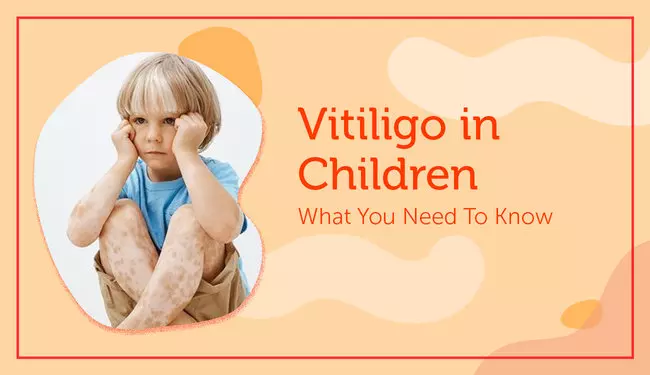


While many people associate vitiligo with adults, the skin condition frequently develops during childhood and adolescence. Because early detection offers the best opportunity for effective management, parents play a vital role in identifying the initial signs.
According to Dr. Vaibhav Kalambe, Consultant Dermatologist at AIMS Hospital in Dombivli, recognizing these changes early can help parents secure timely medical guidance and vital emotional support for their child.
How vitiligo alters skin pigmentation. Source: Izuchukwu Onyeka / Getty Images
What is Vitiligo?
Vitiligo is a non-contagious, painless, and non-life-threatening skin condition that causes distinct patches of the skin to lose their natural color. It occurs when melanocytes—the specialized cells responsible for producing skin pigment—are damaged or completely destroyed.
The exact cause of vitiligo remains unclear, though it is widely recognized as an autoimmune condition. In these cases, the body’s immune system mistakenly targets and attacks its own healthy pigment cells. Genetics can also play a role, as the condition frequently runs in families. Environmental triggers such as physical skin injuries, extreme emotional stress, or underlying autoimmune disorders can also prompt its onset.
The Impact on Children
Though the condition does not pose a physical danger, its visual nature can heavily impact a young person’s emotional well-being. Children navigating vitiligo may struggle with decreased self-esteem, anxiety, stress, and feelings of isolation. Staying vigilant and recognizing the signs early allows parents to address both the physical symptoms and the psychological impacts before they escalate.