
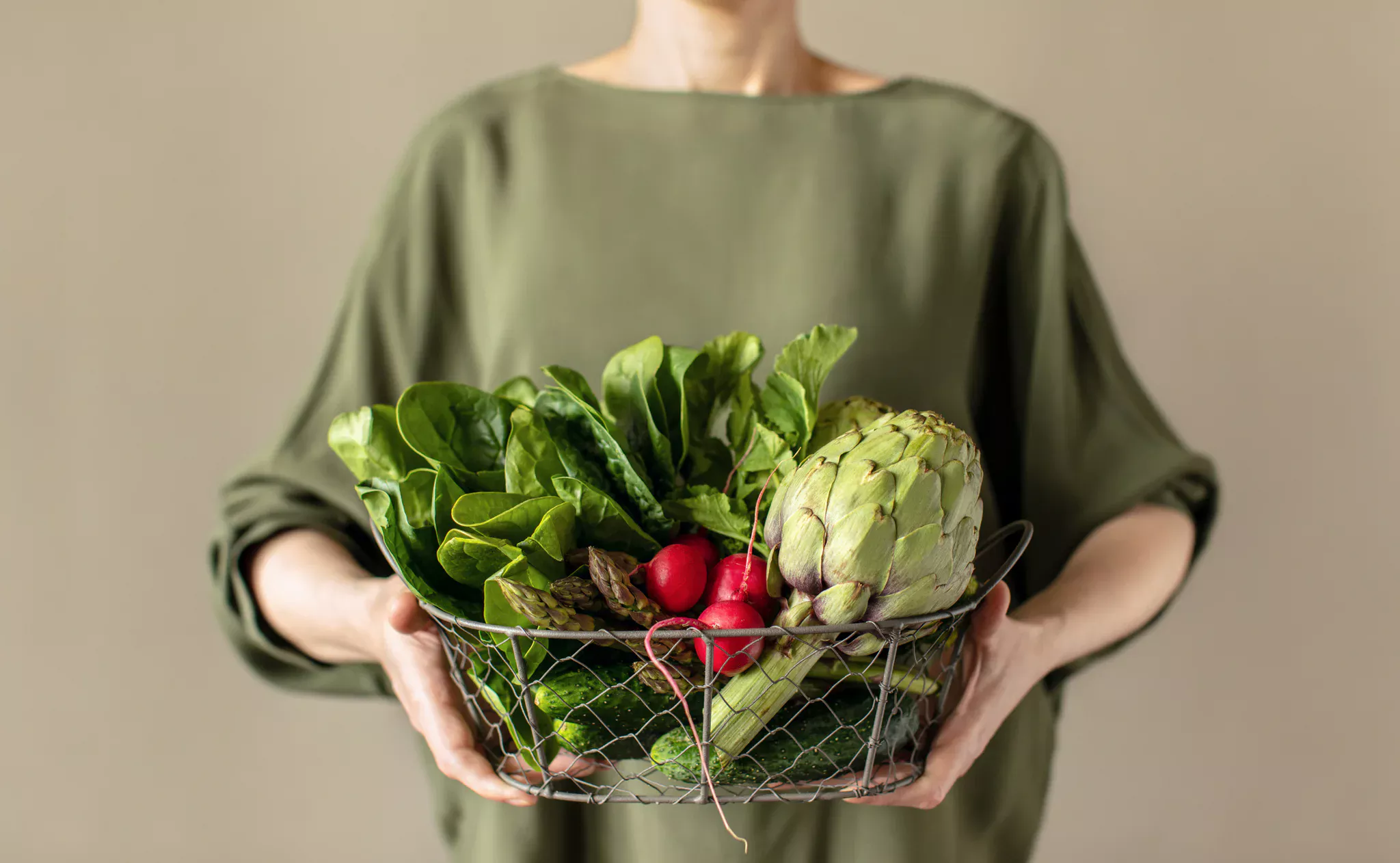


If you have been avoiding salads and stir-fries because they leave you feeling like an over-inflated balloon, you aren’t alone. However, Dr. Joseph Salhab, a Florida-based gastroenterologist known as the “Gut Health MD,” says that digestive discomfort isn’t a sign to quit vegetables—it’s a sign to change your strategy.
In a recent update shared on February 8, 2026, Dr. Salhab explains the science of the “veggie bloat” and provides a roadmap for those with sensitive stomachs to eat their greens without the grief.
The Real Culprit: It’s Not the Veggie, It’s the FODMAP
According to Dr. Salhab, the primary reason certain vegetables cause distress is a group of fermentable carbohydrates called FODMAPs (Fermentable Oligosaccharides, Disaccharides, Monosaccharides, and Polyols).
- The Process: These carbohydrates are poorly absorbed in the small intestine. Instead, they travel to the colon where gut bacteria ferment them.
- The Result: This fermentation process creates gas, pressure, and even nerve pain in individuals with sensitive guts or conditions like IBS.
The “Low-FODMAP” Solution
The key to staying healthy without the gas is portion control and choosing vegetables that are naturally lower in these fermentable sugars. Dr. Salhab emphasizes that you can still get your essential fiber, antioxidants, and micronutrients by making smart swaps.
Dr. Salhab’s Gut-Friendly “Power List”:
If high-FODMAP veggies like broccoli, cauliflower, or raw onions cause issues, try integrating these gentler options:
- Crunchy & Fresh: Carrots, Celery, and Cucumbers.
- Leafy Greens: Baby Spinach and Collard Greens.
- Cooked Classics: Green Beans, Zucchini, and Sweet Potato.
- The Flavor Hack: Pickled Onions (the pickling process reduces the fermentable sugars that make raw onions so gassy).
Tips for a Bloat-Free Plate
- Portion Control: Even low-FODMAP veggies can cause issues if eaten in massive quantities. Start small and see how your body reacts.
- Cook Your Veggies: Steaming or roasting breaks down tough fibers, making them significantly easier for your digestive system to handle than raw versions.
- Hydrate: Fiber needs water to move through your system. Without enough fluids, fiber can lead to constipation and—you guessed it—more bloating.