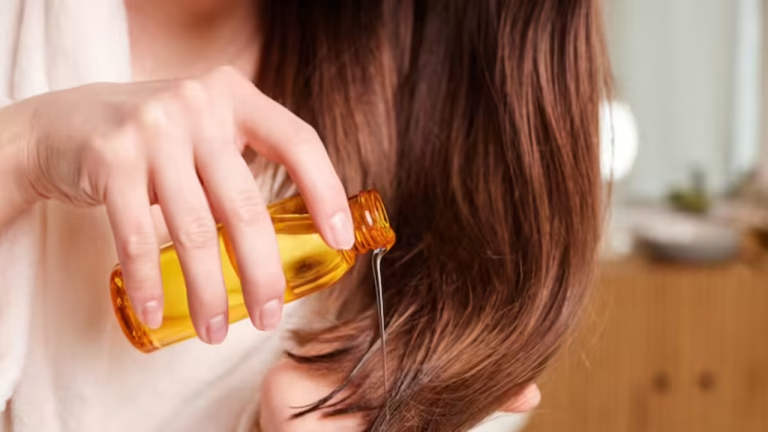
Hair oiling, a long-standing tradition in Indian haircare, is witnessing a strong revival as more people prioritise scalp health, preventive haircare and science-backed beauty routines. Once considered an old-fashioned ritual, hair oiling is now being embraced as an effective way to strengthen hair, reduce damage and promote overall hair wellness.
Why Hair Oiling Is Gaining Popularity Again
:max_bytes(150000):strip_icc()/061323-Hair-Oil-101-Social-5c49276423644fcfadb539e70d63c8bf.jpg)
Modern lifestyles expose hair to pollution, heat styling, hard water and chemical treatments, all of which can weaken hair over time. As a result, consumers are shifting from styling-focused routines to haircare practices that prevent damage and nourish hair from the roots.
According to Dr. Vaishali Gode, EVP – R&D, Product Development (Nourishment) and Packaging at Marico Limited, hair oiling helps form a protective layer around the hair, reducing moisture loss and shielding it from everyday environmental damage. Regular scalp massages with hair oil also nourish the scalp, which is increasingly recognised as the foundation of healthy hair growth.
Why Coconut Oil Remains A Favourite
Among the various hair oils available, coconut oil continues to be one of the most recommended. Rich in lauric acid, it penetrates deep into the hair shaft instead of simply coating the surface, helping nourish hair from within.
Experts say even a 30-minute pre-wash application can contribute to stronger, healthier hair when practised consistently. Coconut oil also possesses natural antimicrobial and anti-inflammatory properties that support scalp health and may help reduce protein loss in hair.
More Than Just Haircare
Hair oiling offers benefits beyond improving hair quality. A gentle scalp massage with oil can promote relaxation, relieve stress and improve sleep quality, making it an effective self-care practice alongside its cosmetic benefits.
A Modern Take On A Traditional Practice
The growing popularity of hair oiling reflects a broader shift towards simple, preventive and evidence-based beauty routines. As consumers look for long-term solutions instead of quick fixes, this traditional practice is once again becoming an essential part of modern haircare.