
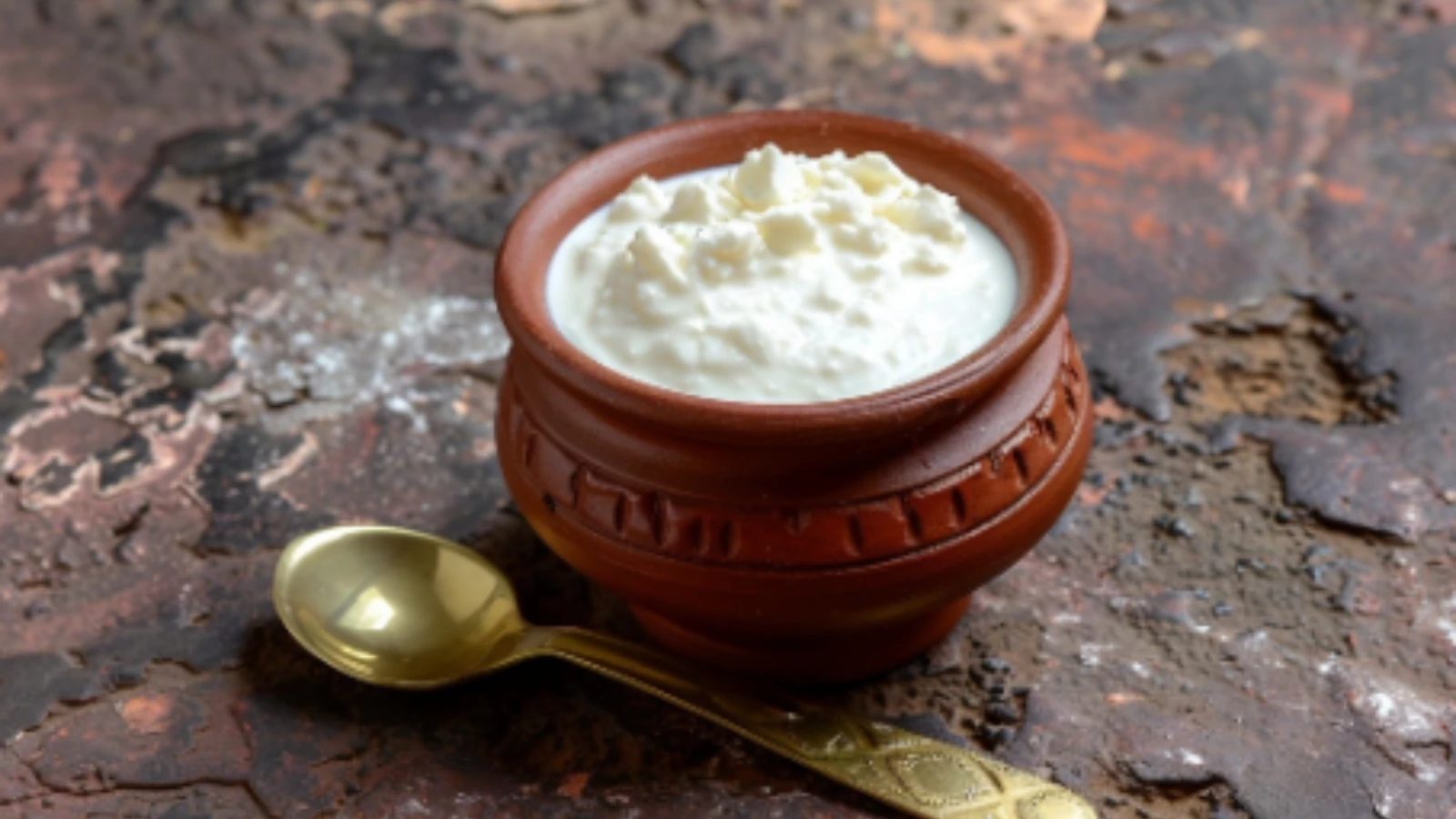


High temperatures during summer often cause curd to turn sour faster than usual. However, with the right storage methods and simple household tips, it is possible to maintain its freshness, texture, and mild taste for longer.
Why Curd Turns Sour Faster in Summer
Curd is a fermented dairy product, and warmer temperatures speed up the fermentation process. This leads to quicker souring, especially if it is frequently exposed to heat or temperature changes.
Store Curd in the Right Place
Proper refrigeration plays a key role in maintaining freshness. Experts recommend storing curd on the middle shelf of the refrigerator, where the temperature remains stable.
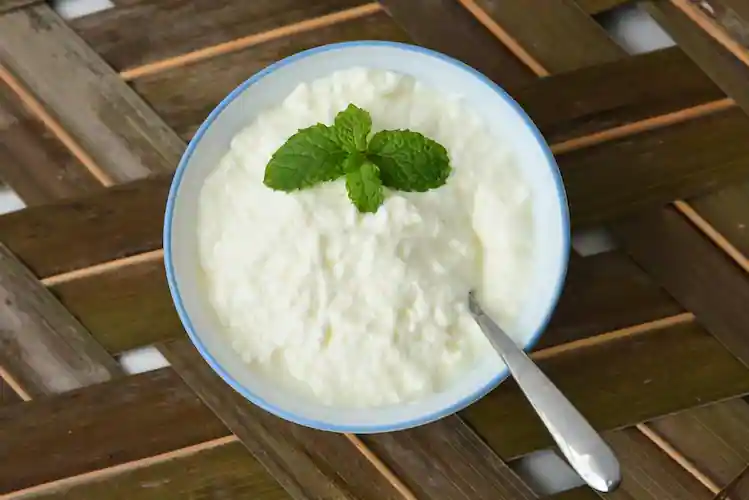
Avoid repeatedly taking it in and out of the fridge, as fluctuating temperatures can accelerate souring.
Use the Right Container
The choice of container also affects taste and shelf life. While plastic and steel containers are commonly used, a clean glass container is considered better for preserving the natural taste.
Always ensure the container is tightly sealed to prevent air exposure.
Keep It Covered at All Times
Leaving curd uncovered can lead to faster souring and changes in texture. Properly covering the container helps protect it from air, moisture, and contamination.
Traditional Kitchen Hack
Some households use a traditional method by placing a small piece of dried coconut in the curd container. It is believed to help slow down souring and maintain a milder taste.
What to Do If Curd Turns Slightly Sour
If the curd has already started turning sour, it can still be salvaged. Adding 1–2 teaspoons of chilled boiled milk may help reduce the sharpness of the taste after it sets.
Conclusion
With proper refrigeration, suitable containers, and simple traditional practices, curd can stay fresh and enjoyable even during peak summer heat.